⏰ Last Update: 16.10.2023
High blood pressure, or hypertension, is a common but potentially dangerous health condition affecting millions of people worldwide. Often dubbed the “silent killer” due to its frequently asymptomatic nature, hypertension can have severe consequences for your cardiovascular health if left unmanaged. This article focuses on the causes, symptoms, and treatment options for high blood pressure to help you take proactive steps towards a healthier life.
Table of Contents
What is High Blood Pressure?
Blood pressure isn’t just a simple number; it’s a crucial indicator of your cardiovascular health. It’s defined as the force that circulating blood exerts on the walls of the body’s arteries, the primary blood vessels responsible for carrying oxygenated blood away from the heart. This force is generated by the heart as it pumps blood into these arteries and throughout the circulatory system. To understand this further, let’s break down the elements of a blood pressure reading.
Units and Measures
Blood pressure is quantified in millimeters of mercury (mmHg). This unit of measurement traces its origins back to the use of mercury columns in the first accurate pressure gauges. Modern electronic gauges continue to use mmHg as the standard unit.
Systolic and Diastolic: The Dual Nature of Blood Pressure
A blood pressure reading typically comprises two numbers that capture the variable nature of blood flow. The first number, the systolic pressure, measures the pressure in your arteries when your heart contracts during a heartbeat. It signifies the peak pressure exerted against arterial walls as the heart pumps oxygen-rich blood into your circulatory system.
The second number, diastolic pressure, is taken when your heart is in a state of relaxation and dilation, filling with blood coming from the lungs. It represents the lowest level of pressure exerted against the arterial walls, offering an understanding of your circulatory system at rest between heartbeats.
Understanding Readings
Here’s how to interpret the readings:
- Normal: Less than 120/80 mmHg
- Elevated: Systolic between 120-129 and diastolic less than 80
- Hypertension Stage 1: Systolic between 130-139 or diastolic between 80-89
- Hypertension Stage 2: Systolic at least 140 or diastolic at least 90 mm Hg
- Hypertensive Crisis: Systolic over 180 and/or diastolic over 120
The “normal” benchmark reading is generally below 120/80 mmHg. Elevated readings, particularly when consistently high over time, point towards high blood pressure or hypertension—a condition requiring medical intervention to mitigate the risks of cardiovascular issues.
Persistent Elevation: Leading to Hypertension
Blood pressure isn’t static; it can fluctuate throughout the day due to stress, physical activity, and various other factors. However, when these numbers remain elevated over an extended period, it indicates high blood pressure. Prolonged hypertension exposes the arteries to continuous high pressure, which could damage the arterial walls and lead to serious health complications over time.
In summary, blood pressure is a nuanced, dynamic indicator of your cardiovascular health. Understanding the implications of systolic and diastolic pressures, and recognizing the risks associated with persistent elevation, are essential steps in managing and improving your long-term health.
Causes of High Blood Pressure
Understanding the root causes of high blood pressure, or hypertension, can be a complex endeavor as it often arises from a confluence of various factors—some within your control and others determined by genetic predisposition. Below are detailed examinations of these contributing factors:
Genetic Factors
If you have a family history of hypertension, you may be genetically predisposed to developing high blood pressure. Certain genes related to blood pressure regulation can be inherited, making you more susceptible to the condition. However, genetics are only part of the story; lifestyle choices can exacerbate or mitigate these inherited risks.
Dietary Habits
A diet rich in salt, saturated fats, and cholesterol can lead to high blood pressure. Sodium, found in salt, can cause the body to retain water, which increases the volume of blood and subsequently, the pressure against arterial walls. Similarly, high levels of saturated fats and cholesterol can lead to arterial plaque buildup, narrowing the arteries and increasing blood pressure.
Physical Inactivity
Lack of regular exercise often leads to weight gain and obesity, both of which are associated with high blood pressure. Physical activity helps control weight and activates biochemical mechanisms that make blood vessels more flexible, thereby aiding in blood pressure regulation.
Obesity
Excessive body weight significantly raises the risk of hypertension. The added mass requires more blood to supply oxygen and nutrients to tissues, increasing the volume of blood and the pressure against arterial walls. Obesity often accompanies other risk factors like poor diet and lack of exercise, creating a vicious cycle of health issues.
Emotional Stress
While stress-induced spikes in blood pressure are usually temporary, chronic stress can contribute to long-term hypertension. Stress activates the ‘fight or flight’ response, releasing hormones that constrict blood vessels and elevate blood pressure. Repeated episodes may desensitize the body to these hormones, maintaining a state of elevated pressure.
Age-Related Risk
The risk of developing high blood pressure increases with age, especially for individuals over 50. With age, arteries can stiffen and narrow due to plaque buildup, making the heart work harder to pump blood, which elevates blood pressure.
Smoking and Alcohol
Both smoking and excessive alcohol consumption are linked to high blood pressure. The nicotine in tobacco products can constrict blood vessels and elevate heart rate, while heavy alcohol consumption can disrupt the balance of electrolytes, impairing blood pressure regulation. Both habits can also contribute to weight gain, another risk factor for hypertension.
In summary, while you may not have control over some risk factors like genetics and age, understanding the multifaceted causes of high blood pressure can empower you to make lifestyle changes where possible, such as diet, exercise, and substance use, to mitigate risks and manage the condition more effectively.
Symptoms of High Blood Pressure
Though hypertension is often silent, some individuals do experience symptoms. However, these are generally nonspecific and can easily be mistaken for other conditions or day-to-day stressors. Here is a closer look at some of these symptoms:
Headaches
Frequent, unexplained headaches could be an indication of elevated blood pressure. It can cause blood vessels to dilate, leading to headaches that are often described as pulsating and occur usually in the morning.
Dizziness
Some people with hypertension report feeling dizzy or lightheaded. Though not a definitive sign of high blood pressure, persistent dizziness should not be ignored and warrants a medical evaluation, especially if other risk factors for hypertension are present.
Shortness of Breath
High blood pressure may put extra strain on the heart, leading to shortness of breath during activities that you used to find easy. This can be a worrying sign, as it may indicate that your cardiovascular system is under significant stress.
Blurred Vision
Elevated blood pressure levels can affect the blood vessels in the eyes, leading to vision problems like blurriness or even vision loss. While blurred vision may have many causes, when accompanied by other risk factors for hypertension, it merits immediate attention.
Nosebleeds
While nosebleeds can be caused by a variety of factors, including dry air and trauma, unexplained and frequent nosebleeds could be a sign of high blood pressure. This is particularly concerning if the nosebleeds are difficult to stop, as this might suggest that the blood pressure is dangerously high.
A Note on Symptom Severity
It’s essential to understand that while these symptoms may be associated with high blood pressure, they are often mild and easily dismissed. Even if symptoms are present, they’re generally not severe enough to prompt immediate action, which contributes to the underdiagnosis of this condition.
Because of its often silent nature, the best way to detect high blood pressure is through regular medical check-ups that include blood pressure measurements. If you experience any of these symptoms, particularly in combination and if you have other risk factors, consult a healthcare provider for a comprehensive evaluation.
Complications of High Blood Pressure
Untreated or poorly managed hypertension can have devastating and potentially fatal consequences. While hypertension itself often shows no symptoms, the damage it wreaks on vital organs can lead to severe complications over time. Here’s an in-depth exploration of some of the major complications that can result from uncontrolled high blood pressure:
Stroke
High blood pressure is one of the leading risk factors for both ischemic and hemorrhagic strokes. It can damage the arteries, making them susceptible to the formation of clots or causing them to narrow, restricting blood flow to the brain. In the case of a hemorrhagic stroke, weakened blood vessels can rupture, leading to internal bleeding in the brain. Strokes can result in permanent disability or even death.
Heart Attack
Hypertension puts immense strain on the heart muscle and increases the likelihood of plaque formation in the arteries. When these plaques rupture, it can trigger the formation of a blood clot, obstructing the flow of blood to the heart. This lack of blood supply can cause portions of the heart muscle to die, leading to a heart attack. The consequences can range from heart failure to death.
Kidney Disease
The kidneys play a critical role in filtering waste from the blood. High blood pressure can damage the delicate blood vessels in the kidneys, compromising their filtering ability. Over time, this damage can lead to chronic kidney disease, which may require dialysis or even a kidney transplant.
Vision Loss
The eyes contain a network of tiny blood vessels that can be compromised by persistent high blood pressure. Damage to these vessels can lead to retinopathy, a condition that blurs or impairs vision and, in extreme cases, can cause blindness.
Sexual Dysfunction
High blood pressure can impair blood flow throughout the body, including to the sexual organs. In men, this can lead to erectile dysfunction, making it difficult to achieve or maintain an erection. In women, reduced blood flow can lead to a decrease in sexual desire and arousal, vaginal dryness, or the inability to achieve orgasm.
Diagnosis of High Blood Pressure
Diagnosing high blood pressure is a critical first step and usually involves a series of readings over an extended period to confirm the condition. While a single elevated reading is not necessarily indicative of hypertension, consistently high readings across different times of the day or week are cause for concern. Health care providers often employ 24-hour blood pressure monitoring systems or ask patients to record their readings at home, in addition to the measurements taken at the clinic. Advanced tests like electrocardiograms (ECG) and blood tests may also be conducted to assess overall heart health and rule out other underlying conditions.
Treatment Modalities for High Blood Pressure
Upon diagnosis, treatment often necessitates a multi-pronged approach.
Anti-Hypertensive Drugs
Pharmacological interventions such as beta-blockers, diuretics, and ACE inhibitors are commonly prescribed. These medications work by either relaxing the blood vessels, reducing the volume of blood, or both, thus lowering the blood pressure.
Lifestyle Modifications
Non-pharmacological strategies include lifestyle changes like incorporating regular exercise into your routine, adopting a balanced diet that is low in salt and saturated fats, and aiming for weight loss if obesity is a contributing factor.
Regular Monitoring
Ongoing medical check-ups and monitoring are crucial for assessing the effectiveness of the treatment plan and making necessary adjustments.
Preventive Measures for High Blood Pressure
Prevention is often the best treatment for any condition, and high blood pressure is no exception. Adopting a heart-healthy lifestyle can go a long way in keeping hypertension at bay. This includes:
- Consuming a balanced diet rich in fruits, vegetables, and whole grains
- Engaging in regular exercise, such as brisk walking, swimming, or cycling
- Adopting stress management techniques like mindfulness and meditation
- Quitting smoking and minimizing alcohol consumption
GinkgoVin
In addition to these standard treatment options, the food supplement GinkgoVin, containing Ginkgo Biloba extract and grape seed, can be a beneficial addition to your treatment regimen. Ginkgo Biloba is renowned for its ability to improve blood flow, thereby potentially helping in the effective management of blood pressure levels.1
Grape seed extract, on the other hand, is rich in antioxidants and has been found to improve arterial function, further supporting cardiovascular health.2
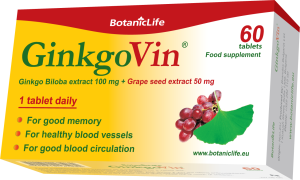
GinkgoVin – for a healthy heart: https://botaniclife.eu/products/ginkovin/
Conclusion
High blood pressure may be a common condition, but its potential to harm your health should not be underestimated. Awareness is the first step toward management. Adopting a healthier lifestyle and adhering to medical advice can help you control high blood pressure and reduce the risks of complications. Always consult a healthcare professional for diagnosis and treatment tailored to your individual needs.
GinkgoVin – for a healthy heart: https://botaniclife.eu/products/ginkovin/
Sources Cited
- Winther, Kaj, et al. “Effects of Ginkgo Biloba Extract on Cognitive Function and Blood Pressure in Elderly Subjects.” Current Therapeutic Research, Elsevier, 10 Oct. 2001, www.sciencedirect.com/science/article/abs/pii/S0011393X98850534.
- Tropea, Teresa, et al. “Grape Seed Extract Polyphenols Improve Resistance Artery Function in Pregnant Enos–/– Mice.” Frontiers, Frontiers, 15 Oct. 2020, www.frontiersin.org/articles/10.3389/fphys.2020.588000/full.