⏰ Last Update: 14.09.2023
The liver is one of the most versatile and essential organs in the body, performing an array of complex functions that are crucial for maintaining homeostasis. From detoxifying harmful substances to storing vital nutrients, the liver is a multitasking powerhouse that often goes unnoticed until something goes wrong. This article aims to offer a comprehensive understanding of the liver’s role, anatomy, functions, common diseases, and tips for maintaining its health.
Table of Contents
Anatomy of the Liver
Position and Size
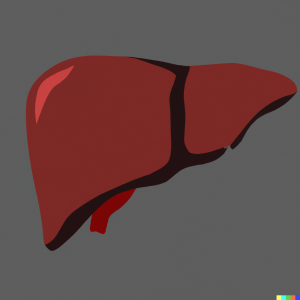
Located in the upper-right section of the abdomen, the liver is enveloped by the ribcage for protection and is positioned beneath the diaphragm, which separates the thoracic and abdominal cavities. This strategic location enables this organ to interact closely with other important organs like the gallbladder, pancreas, and intestines. It is the largest internal organ, typically weighing between 1.4 to 1.6 kilograms and measuring about 15 cm in height and 25 cm in width in adults.
Gross Anatomy: Lobes and Segments
The liver’s surface is smooth and is divided into two primary lobes, each serving specific functions. The right lobe is significantly larger than the left and accounts for about 60-65% of the organ’s total mass. These lobes are separated by the falciform ligament, a sheet of tissue that also anchors the liver to the abdominal wall and the diaphragm. Each lobe is further divided into 8 segments, which have their own blood supply and bile drainage, making it possible to remove segments of the liver without affecting its overall function. These segments contain about 100,000 smaller units called lobules.
Microscopic Anatomy: Lobules and Hepatocytes
The lobules are the functional units of the liver and are hexagonal in shape. Each lobule measures about 1-2 mm in diameter and consists of plates of hepatocytes (liver cells) that radiate outward from a central vein. The hepatocytes are remarkable for their metabolic diversity and capability; they perform more than 500 different functions, including nutrient storage, detoxification, and protein synthesis.
Blood flows into the lobules through tiny branches of the hepatic artery and the portal vein, supplying oxygen and nutrients, as well as carrying toxins and waste materials. The sinusoids are specialized capillaries between hepatocytes that allow for the exchange of blood cells, nutrients, and waste materials. After filtration and processing by the hepatocytes, the blood is collected into a central vein that drains into the hepatic vein, which subsequently joins the inferior vena cava to return to the heart.
Bile Production
One of the critical functions is the production of bile, a fluid that aids in digestion. The hepatocytes produce bile, which then moves through tiny channels called canaliculi that merge to form larger ducts. These ducts eventually lead into the common hepatic duct, which either stores bile in the gallbladder or sends it directly to the small intestine.
Core Functions of the Liver
Metabolism and Energy Storage
The liver plays an indispensable role in the body’s metabolic processes. It helps regulate glucose, lipids, and amino acid levels in the blood. When the body has excess glucose, the liver converts it into glycogen for storage. During periods of low glucose, it reverses the process to maintain blood sugar levels.
Detoxification
One of the liver’s primary roles is detoxifying the blood by breaking down various substances such as drugs, alcohol, and metabolic waste products. It filters out toxins and converts them into substances that can be easily excreted by the body.
Protein Synthesis
The liver produces a variety of proteins that are essential for body function. These include albumin, necessary for fluid balance; clotting factors, which help in blood coagulation; and enzymes and hormones that regulate digestion.
Nutrient Storage
The organ acts as a storage facility for essential nutrients like vitamins and minerals, releasing them into the bloodstream as needed.
Common Liver Diseases
Hepatitis
Hepatitis refers to the inflammation of the liver, often presenting as an immediate or long-standing condition. Multiple factors can contribute to this inflammation:
Viral Hepatitis: Hepatitis A, B, C, D, and E viruses can cause liver inflammation, each with varying degrees of severity and outcomes. Hepatitis B and C are of particular concern as they can become chronic, leading to further complications.
Alcohol-Induced Hepatitis: Excessive alcohol consumption can cause inflammation and damage to liver cells, sometimes escalating to a severe, acute condition requiring hospitalization.
Autoimmune Hepatitis: In this form, the body’s immune system attacks the liver cells, causing inflammation and, eventually, damage.
Hepatitis can manifest either as acute, lasting for a few weeks, or chronic, extending over many years. Chronic hepatitis, particularly types B and C, can lead to more serious conditions like cirrhosis or hepatocellular carcinoma (liver cancer).
Cirrhosis
Cirrhosis is essentially the end-result of long-term liver damage. It occurs when fibrous scar tissue replaces healthy tissue, disrupting the organ’s ability to function effectively. Although cirrhosis can stem from various diseases, the usual suspects include:
Chronic Hepatitis: Especially types B and C.
Chronic Alcoholism: Prolonged excessive drinking can severely damage the organ, leading to cirrhosis.
Non-Alcoholic Steatohepatitis (NASH): A severe form of fatty liver disease that can progress to cirrhosis.
Symptoms often don’t appear until the liver is severely damaged, making early detection crucial.
Liver Cancer
Hepatocellular carcinoma (HCC) is the most common type of liver cancer and usually emerges in livers already compromised by other diseases like cirrhosis or chronic hepatitis. HCC often has a poor prognosis due to late-stage diagnosis and limited treatment options. Screening and surveillance are critical for those at high risk to catch the disease in its earlier, more treatable stages.
Fatty Liver Disease
Fatty Liver Disease is categorized into two main types:
Alcoholic Fatty Liver Disease (AFLD): Caused by excessive consumption of alcohol.
Non-Alcoholic Fatty Liver Disease (NAFLD): Associated with metabolic syndromes like obesity, diabetes, and high cholesterol levels.
In both forms, there is an abnormal accumulation of fat in liver cells. If untreated, this can progress to Non-Alcoholic Steatohepatitis (NASH), which is a severe form of fatty liver disease that can result in cirrhosis.
By understanding these common diseases in greater detail, it becomes evident how crucial early diagnosis and treatment are in preventing progression to more severe conditions. Regular check-ups, lifestyle changes, and risk factor mitigation play a significant role in disease management.
Comprehensive Guide to Maintaining Liver Health
The Vital Role of Diet and Exercise
Dietary Guidelines
A balanced diet plays an indispensable role in sustaining overall health. The liver requires a variety of nutrients to function optimally, which can be obtained from a diverse diet. Consider the following:
Fiber: Foods rich in fiber like fruits, vegetables, and whole grains help the organ process food and absorb essential nutrients. Fiber also aids in maintaining a healthy weight, a key factor in overall health.
Protein: Good sources of lean protein like poultry, fish, and plant-based proteins like legumes help in liver cell repair and regeneration. Excessive red meat, however, can burden this organ with extra work.
Healthy Fats: Omega-3 fatty acids found in fatty fish, flaxseeds, and walnuts can reduce inflammation in the liver and improve its function.
Exercise and Weight Management
The organ benefits from physical activity, which helps to burn triglycerides for fuel and can also reduce liver fat. A combination of aerobic exercises, like walking and cycling, and strength training has proven beneficial in maintaining the organ healthy. Exercise also helps in weight management, a crucial factor in preventing Non-Alcoholic Fatty Liver Disease (NAFLD).
Limit Alcohol Intake and Minimize Exposure to Toxins
Alcohol Moderation
The liver metabolizes alcohol, but excessive consumption can overwhelm this metabolic process, leading to damage, inflammation, and fat accumulation. Limiting or eliminating alcohol can significantly reduce the risk of diseases like alcoholic hepatitis or cirrhosis.
Environmental Toxins
Toxins in the environment, such as heavy metals and chemicals in industrial solvents, can infiltrate our systems and harm the liver. Being mindful of our environment, using protective gear when handling chemicals, and choosing natural, toxin-free household products can reduce this risk.
The Importance of Regular Medical Check-ups
Function Tests
Regular medical check-ups are vital in monitoring liver health. Function tests, typically done through blood tests, assess levels of various liver enzymes and proteins. Elevated or reduced levels of these markers can indicate issues that may require further investigation.
Ultrasound and Imaging Tests
For those at higher risk, additional imaging tests like ultrasound or CT scans can offer a more comprehensive view of liver health, helping in the early detection of conditions like fatty liver, cirrhosis, or even tumors.
The steps for sustaining liver health are often interlinked with overall well-being, reinforcing the importance of a holistic approach to health and preventive care.
DetoxiFive
DetoxiFive is a comprehensive supplement specifically formulated to support liver health among its various detoxifying benefits for the body. The product features a carefully curated blend of extracts and essential elements, each targeting a specific detoxification pathway. Its Andrographis extract, standardized to andrographolides, focuses on cleansing the liver and intestines, thereby facilitating the rapid elimination of waste and toxins.
This powerful herb also supports gallbladder function, further enhancing the liver’s detoxification processes.1
The inclusion of selenium in its most bioavailable form complements the formula by engaging in critical antioxidant processes, offering an added layer of cellular protection to the liver against harmful substances like heavy metals.
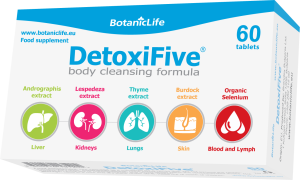
Together, these components make DetoxiFive an invaluable ally in maintaining optimal liver function and overall well-being: https://botaniclife.eu/products/detoxifive/
Conclusion
The liver is a vital, multifunctional organ that plays a central role in numerous physiological processes, from metabolism to detoxification. Understanding its functions and the risks associated with disease can promote proactive health measures. By investing in a healthy lifestyle that includes a balanced diet, regular exercise, and periodic medical check-ups, you can play an active role in safeguarding this essential organ.
DetoxiFive – body cleansing formula: https://botaniclife.eu/products/detoxifive/
- Shahid Akbar. “Andrographis Paniculata: A Review of Pharmacological Activities and Clinical Effects.” Altmedrev, altmedrev.com/wp-content/uploads/2019/02/v16-1-66.pdf.