⏰ Last Update: 14.09.2023
The prostate is a small, walnut-shaped gland that plays a significant role in the male reproductive system. Located just below the bladder and in front of the rectum, it produces a fluid that nourishes and transports sperm. Despite its essential role in reproductive health, the prostate is often a source of medical concern, particularly as men age. This article outlines the gland’s functions, common conditions affecting it, and how to maintain its health.
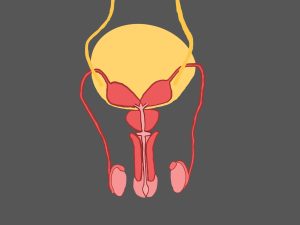
Table of Contents
Anatomy of the Prostate
Anatomical Positioning and Structure
Located in the pelvic region, the prostate gland is strategically situated just below the bladder and anterior to the rectum. It envelopes the proximal portion of the urethra, the canal responsible for transporting urine and semen out of the body. Morphologically, the prostate is a lobular structure, roughly the size and shape of a walnut, weighing approximately 20 to 25 grams in adult males.
Composition
The prostate gland comprises two primary types of tissues: muscular and glandular. The muscular tissue, constituting about 50% of the total mass, consists of smooth muscle fibers that are interwoven into a mesh-like arrangement. This musculature is responsible for the forceful ejection of seminal fluid during ejaculation. The glandular tissue, conversely, consists of specialized secretory cells that are organized into clusters, known as acini. These are arranged around tiny ducts that all converge into larger central ducts, emptying into the urethra.
Functions
Secretory Function
The glandular tissue is specialized for the secretion of prostatic fluid, a slightly alkaline liquid that constitutes about 30% of the volume of ejaculate. This fluid serves multiple purposes in the male reproductive system. Its alkaline nature helps to neutralize the acidic environment of the vaginal tract, thereby enhancing the motility and survival rate of sperm. The fluid also contains enzymes like prostate-specific antigen (PSA) that aid in liquefying the ejaculated semen, allowing sperm to swim more freely.
Muscular Function
The muscular component of the prostate works in a coordinated manner during the process of ejaculation. Upon sexual arousal, the neural signals trigger the contraction of the smooth muscle fibers within the gland. This action forcibly propels the stored prostatic fluid, mixed with seminal vesicle fluid and sperm, into the urethra. From there, it is ejaculated out of the body.
Hormonal Regulation
The function and growth of the prostate are largely regulated by male sex hormones, primarily testosterone. Testosterone is converted to its more potent form, dihydrotestosterone (DHT), within the prostate gland. DHT binds to androgen receptors in the prostate cells, regulating both cellular growth and secretion activities.
In summary, this organ is not just a simple accessory gland but a complex organ with multi-faceted roles in both the urinary and reproductive systems. Understanding its anatomy and functions is pivotal for comprehending the various medical conditions that can afflict it.
Common Prostate Conditions
Benign Prostatic Hyperplasia (BPH)
Benign Prostatic Hyperplasia (BPH) is one of the most frequent prostate issues affecting older men, particularly those over the age of 50. It is marked by a non-cancerous enlargement of the prostate gland. While the cellular proliferation in BPH is benign, the resulting bulk can compress the urethra and interfere with the normal flow of urine.
Symptoms
Common symptoms include urinary urgency, frequent urination, particularly nocturia (the need to urinate multiple times during the night), hesitancy in initiating urination, and a notably weak or intermittent urine stream. Though BPH itself is generally benign, the obstruction caused by the enlarged prostate can give rise to secondary complications like urinary tract infections, bladder stones, and even kidney damage if untreated.
Learn everything you need to know about Urinary Tract Infections: https://botaniclife.eu/blog/urinary-tract-infection-uti/
Prostatitis
Prostatitis refers to a variety of inflammatory conditions affecting the prostate gland. These can be acute or chronic, bacterial or non-bacterial in nature. The causes range from bacterial infections to pelvic muscle tension and certain autoimmune conditions.
Symptoms
The symptoms are often discomforting and can include a range of pelvic and perineal pains, urinary issues similar to those experienced in BPH, and sometimes systemic symptoms like fever or chills. If bacterial in nature, the condition is usually treated with a course of antibiotics, while anti-inflammatory medications and pain relievers may be used for symptomatic relief in non-bacterial cases.
Prostate Cancer
Prostate cancer stands as one of the most common malignancies among men, particularly in older age groups, and can be life-threatening if not diagnosed and managed in a timely manner. Risk factors include age, family history of prostate cancer, and certain genetic predispositions.
Diagnostic and Therapeutic Approaches
What makes prostate cancer particularly insidious is the overlap of its symptoms with those of benign conditions like BPH, which may include urinary hesitancy, frequent urination, and a weak stream. This makes regular screening—typically involving Prostate-Specific Antigen (PSA) tests and digital rectal exams—vital for early detection. Depending on the stage of the disease and other individual factors, treatment options may include surgical removal of the prostate, radiation therapy, hormone therapy, chemotherapy, or a combination thereof.
Understanding these common conditions is essential for maintaining health, especially as men age. Regular screenings and consultations with healthcare providers are vital steps in the effective management and treatment of prostate-related issues.
Comprehensive Guide to Maintaining Prostate Health
Regular Medical Screenings
Regular medical screenings serve as the cornerstone of preventative healthcare, acting as an early warning system for identifying potential prostate problems. This is especially critical for men above the age of 50 and for those with a family history of prostate cancer or other related conditions.
Prostate-Specific Antigen (PSA) Blood Test
The Prostate-Specific Antigen (PSA) blood test is one of the most commonly utilized diagnostic tools. This test measures the concentration of PSA, a protein produced by cells of the prostate gland, in the blood. Elevated PSA levels could be indicative of a variety of conditions, ranging from inflammation and infection to BPH and prostate cancer. It’s crucial to note that while a high PSA level can be a red flag, it is not a definitive indicator of cancer; rather, it prompts further investigation.
Digital Rectal Exam (DRE)
The Digital Rectal Exam (DRE) is another frontline screening technique where a healthcare provider inserts a lubricated, gloved finger into the rectum to physically examine the prostate. This allows the provider to feel for any lumps, irregularities, or hard areas that may suggest a problem. While less sensitive than PSA testing, a DRE can sometimes catch issues that might not significantly affect PSA levels, providing a complementary assessment method.
Additional Diagnostic Tests: Ultrasound and Biopsy
If either the PSA test or DRE yields suspicious results, additional diagnostic procedures may be recommended. Transrectal ultrasound (TRUS) involves the insertion of a small probe into the rectum to obtain an image of the gland. This helps to estimate the prostate’s size and to visualize any irregular areas that may require further investigation.
A biopsy, the removal of small tissue samples from the prostate, is often the next step for definitive diagnosis. The tissue samples are microscopically examined for cancerous cells. The procedure is generally guided by ultrasound imaging and can confirm or rule out the presence of prostate cancer, thereby informing the most appropriate course of treatment.
In summary, regular screenings involving the PSA blood test and DRE are foundational elements of early detection. When irregularities are found, more in-depth diagnostic procedures like ultrasound and biopsy are employed to reach a definitive conclusion. Timely screenings and vigilant follow-up tests are pivotal in the early detection and effective management of prostate issues, offering the best chances for successful treatment outcomes.
The Impact of Diet and Lifestyle Choices on Prostate Health
A well-balanced diet high in fruits, vegetables, and whole grains can significantly influence prostate health. Several studies have highlighted the beneficial effects of foods rich in antioxidants like lycopene (found in tomatoes) and catechins (found in green tea), as they help combat oxidative stress which can contribute to the progression of various conditions. Additionally, maintaining a regular exercise regimen can assist in weight management, which in turn reduces the risk of developing issues like BPH or even prostate cancer. Even moderate activities like walking for 30 minutes a day can make a meaningful impact.
Medications and Alternative Treatments
Medication options for conditions like BPH include alpha-blockers, which help relax the muscles around the prostate and bladder, and 5-alpha reductase inhibitors, which aim to shrink the prostate by reducing levels of the hormone that causes growth. These medications are usually effective but may come with side effects like sexual dysfunction or dizziness.
ProstaRen
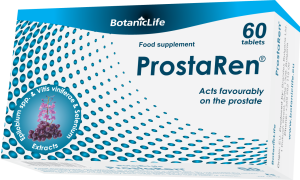
For those looking for a natural alternative, ProstaRen offers a unique formulation designed to support prostate health.
Willow herb has reported anti-inflammatory, antioxidative, anti-proliferative, antimicrobial, analgesic, and antiandrogenic activities on preclinical studies.1
Grape seed extract rich in antioxidants that combat oxidative stress, and organic selenium, a trace element essential for cellular function.2
Organic selenium, in particular, supports the body’s antioxidant defenses, which are crucial in maintaining a healthy prostate.
ProstaRen aims to provide comprehensive support for the prostate.
ProstaRen: https://botaniclife.eu/products/prostaren/
By integrating regular screenings, healthy lifestyle choices, and supportive supplements like ProstaRen, you can take a holistic approach to maintaining a healthy prostate and reducing the risk of common conditions.
Conclusion
The prostate may be a small gland, but it can cause significant health issues if not properly taken care of. From benign conditions like BPH and prostatitis to more serious concerns like prostate cancer, understanding the importance of this gland is crucial for maintaining overall health. Regular check-ups, a balanced diet, and an active lifestyle are essential steps every man can take to keep their prostate in optimal condition.
ProstaRen – for a healthy prostate: https://botaniclife.eu/products/prostaren/
Sources Cited
- Csikós, Eszter, et al. “Treatment of Benign Prostatic Hyperplasia by Natural Drugs.” MDPI, Multidisciplinary Digital Publishing Institute, 25 Nov. 2021, www.mdpi.com/1420-3049/26/23/7141.
- Tropea, Teresa, et al. “Grape Seed Extract Polyphenols Improve Resistance Artery Function in Pregnant Enos–/– Mice.” Frontiers, Frontiers, 15 Oct. 2020, www.frontiersin.org/articles/10.3389/fphys.2020.588000/full.