Amylase
· 8 min read

Amylase is an enzyme that breaks down complex carbohydrates, such as starch. It is secreted by the pancreas and the salivary glands, and it begins breaking down starch into simple sugars already in the mouth.
Starch, which contains a large amount of energy but little taste, starts to taste sweet after prolonged chewing, because amylase begins to break down the starch in your mouth.
The pancreas and the salivary glands produce amylase (alpha-amylase) to hydrolyse the carbohydrates in food. The enzyme converts them into disaccharides, which are then split by other enzymes into glucose, providing your body with energy.

History
In 1831, Erhard Friedrich Leuchs (Erhard Friedrich Leuchs) described the hydrolysis of starch by saliva. He identified an enzyme in saliva, which he called “ptyalin”, after the ancient Greek word for saliva: πτύαλον - spittle.
The modern history of enzymes begins in 1833, when the French chemists Anselm Payen and Jean-François Persoz isolated a complex of amylase from malt and named it “diastase”. In 1862, Alexander Yakovlevich Danilevsky (1838-1923) separated pancreatic amylase from pancreatin.
Evolutionary development
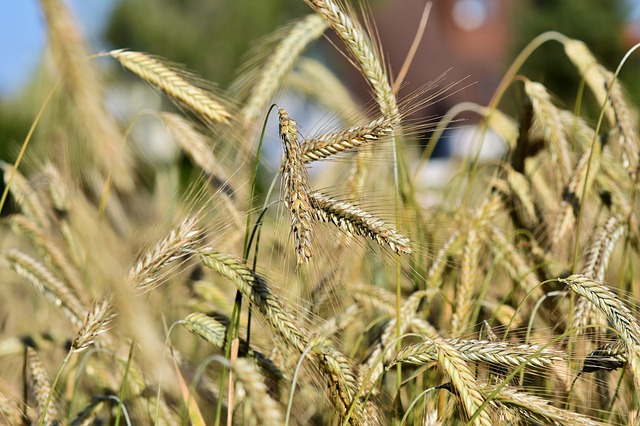
Following the Neolithic Revolution 12,000 years ago, the human diet began to shift towards cultivating plants and raising animals, rather than hunting and gathering wild plants.
Large polymers, such as starch, are partially broken down by the amylase enzyme before being absorbed as additional sugars. Foods containing amylase were therefore valued for their ability to break down food more effectively and in larger quantities.
Despite the obvious benefits, early humans did not produce salivary amylase in large amounts. This trend is also seen in our evolutionary relatives, such as the chimpanzee, which carries only one copy or no copy of the AMY1 gene responsible for producing salivary amylase.
AMY1 - the amylase gene
This gene, AMY1, is found in the pancreas. Duplication of the AMY1 gene has allowed it to develop specificity for salivary amylase, which has enabled it to be secreted from the salivary glands. This has also happened in people, underlining the importance of salivary amylase in organisms that consume large amounts of starch.
However, not all people have the same number of copies of the AMY1 gene. Populations known to eat more starch have a higher number of AMY1 copies than those who consume less starch.
The link between starch consumption and the number of AMY1 copies suggests that the natural selection of this genotype has been beneficial for the population and its descendants.
The relationship is particularly clear when geographically close populations with different food traditions are compared, as they have different numbers of AMY1 gene copies. This is the case with some Asian populations, which have been shown to carry fewer copies of AMY1 than neighbouring agricultural populations. These are categorical evidence that natural selection has acted on this gene, as opposed to the possibility that the gene has spread through genetic drift.
Types of amylase
Amylase types are designated with different Greek letters, but all of them are glycosidic hydrolases that act on α-1,4-glycosidic bonds.
α-amylase
α-amylases are calcium metalloenzymes. These enzymes act at random points along the chain of polysaccharides, breaking them down into maltotriose or maltose, glucose and limit dextrin from amylopectin.
Because α-amylase can act anywhere on the substrate, it tends to work faster than β-amylase.
In animals it is the main digestive enzyme, and its optimal pH is 6.7–7.0.
In human physiology, like salivary amylases, pancreatic amylases are α-amylases.
The α-amylase form is also found in plants, some fungi and some bacteria.
β-amylase
β-amylase is synthesised by bacteria, microorganisms and plants. β-amylase catalyses the hydrolysis of the second α-1,4 glycosidic bond, cleaving off two glucose units (maltose) at a time. During fruit ripening, β-amylase breaks down starch into maltose, which gives ripe fruit its sweet taste.
α-amylase and β-amylase are both present in seeds. β-amylase is in an inactive form before germination, while α-amylase and proteases appear once germination begins.
Many types of microbes produce amylase to break down extracellular starches.
Animal tissues do not contain β-amylase, although it may be present in microorganisms living in the digestive tract. The optimal pH for β-amylase is 4.0–5.0.
γ-amylase
γ-amylase cleaves α (1–6) glycosidic bonds, as well as the last α-1,4 glycosidic bond at the non-reducing end of amylose and amylopectin, producing glucose. γ-amylase has the most acidic optimal pH of all amylases, being most active at around pH 3.
Uses
Brewing
α- and β-amylases are important in brewing and alcohol production. The malt used is prepared from barley grain. During germination, the grain produces malt sugars and separates enzymes. In beer and some other alcoholic drinks, the malt sugars and starches present at the start of fermentation are produced by mixing grains or other starch sources (for example potatoes).
In traditional brewing, malted barley is mixed with hot water to create a mash, which is held at a set temperature so that the amylases in the malt can convert starch into fermentable sugar.

Different temperatures optimise the activity of alpha or beta amylase, which leads to different mixtures of fermentable and non-fermentable sugars.
Choosing the mash temperature and the ratio between grain and water can change the alcohol content, body, taste and aroma of the final product.
In some of the older methods of producing alcoholic drinks, the process started with chewing the grain, so that enzymes in saliva could begin breaking it down.
This practice is no longer widely used.
Baking
Amylases are used in bread production to simplify complex starches into simple sugars. The yeast then feeds on these simple sugars and converts them into waste products (ethanol and carbon dioxide). This gives the bread its aroma and makes it rise.
Amylase is found naturally in yeast cells, but a sufficient amount of time is needed for them to produce enough enzyme to break down significant quantities of starch in bread.
Modern bread-making techniques involve amylases (often in the form of malt enzyme), which simplify complex starches into simple sugars. This approach makes the process faster and practical for commercial purposes.
Other uses
Amylase is also used in:
detergents for washing clothes and dishwasher machines, for breaking down starch from fabrics and dishes;
molecular biology (as an indicator of antibiotic resistance)
medical applications (for replacing pancreatic enzymes)
Diseases
Amylase in the blood can be measured for medical diagnosis. A concentration higher than normal may reflect one of the following conditions: acute pancreatitis, perforated ulcer, obstruction of the bile duct, ileus, mesenteric ischaemia or mumps, as well as other conditions.
Amylase can also be measured in other body fluids, including urine and peritoneal fluid.

Interesting facts about amylase
Research from January 2007 by Washington University in St. Louis suggests that tests for the salivary enzyme amylase may be used to indicate sleep deprivation.
Before the study was carried out, people with a low number of copies of the amylase gene in their saliva and/or blood were 10 times more at risk of obesity. If you have enzyme deficiencies, you can always rely on Enzymill. Learn more: /products/enzymill/
People who have problems absorbing nutrients usually rely on carbohydrate intake to meet their energy needs. If digestion is impaired, an amylase deficiency may result.

Glycogen is stored in the liver and the muscles. Liver glycogen helps maintain blood sugar levels. When the body needs energy and metabolism is working, glycogen breaks down into glucose, releasing it for the body to use, so that the muscles can carry out their task. Starch, on the other hand, is the most common form in which carbohydrates are found in food.
Useful tips
It is advisable to eat foods containing starch every day as part of a healthy and balanced diet. Around 30% of your food should come from carbohydrate-rich foods, as amylase is needed to break down the starches that give your body energy.
Eating slowly
Some people with excess weight often do not digest food well. For this reason they swallow their food quickly, and before the satiety centre has time to send its signal, they have already eaten. Chewing for longer leads to feeling full sooner. Instead of trying to apply extra effort to reduce the amount of food you eat, it is better to make a conscious effort to eat more slowly.
Conclusion
Amylase helps process complex carbohydrates, such as starch. It is secreted by the saliva and the pancreas and breaks down long polysaccharides into simple sugars that the body can use for energy.
Humans gained the ability to produce amylase in saliva following a change in their diet, when they began to domesticate plants and animals. Different types of amylase break down polysaccharides in different ways, and amylase has wide applications in brewing and baking.
To learn more about food and your health, you can read our free booklet of recommendations at the link: /products/enzymill/
If you have problems with digestion, you can buy Enzymill from health food shops or online.
Learn more about Enzy-Mill!
Share the article:
Latest articles

Memory
There are many types of memory, from short-term and sensory memory to associative forms. Here is how we learn, store and recall information.
What Are Extracts?
Discover what herbal extracts are, how they are made, and why their concentrated form is valued in herbal products.
Comments