Heart
· 7 min read

The heart is a vital organ that drives the central function of the cardiovascular system. Located in the centre of the chest, it pumps oxygen and nutrients to all organs and tissues.
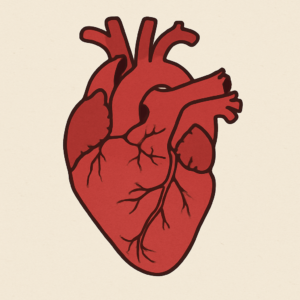

Anatomy of the heart
Location
The heart sits in the mediastinum, the space between the lungs in the middle of the chest. It lies slightly left of centre, behind the breastbone and in front of the oesophagus. In an adult it is about the size of a closed fist, roughly 12 cm long, 8 cm wide and 6 cm thick, and weighs between 250 and 350 grams.
The heart is enclosed in a protective membrane called the pericardium, which shields it from infection and physical injury while still allowing it to move freely as it beats.
Structure of the heart
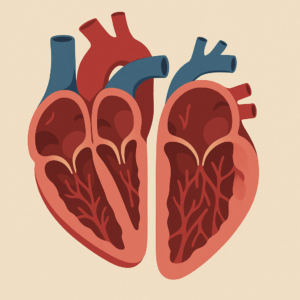
The heart consists of four chambers:
Upper chambers (atria):
- Right atrium - receives blood from the body through the superior and inferior vena cava
- Left atrium - receives oxygen-rich blood from the lungs through the pulmonary veins
Lower chambers (ventricles):
- Right ventricle - pumps venous blood to the lungs to be enriched with oxygen
- Left ventricle - pumps oxygen-rich blood to the whole body through the aorta
Heart valves
The heart has four valves, which ensure that blood flows in one direction:
- Tricuspid valve - between the right atrium and the right ventricle
- Pulmonary valve - between the right ventricle and the pulmonary artery
- Mitral valve - between the left atrium and the left ventricle
- Aortic valve - between the left ventricle and the aorta
Blood supply to the heart
The heart muscle is supplied with blood through the coronary arteries, which branch off from the aorta directly above the aortic valve. The main ones are:
- Left coronary artery
- Right coronary artery
These arteries divide into smaller vessels that deliver oxygen and nutrients to the heart muscle.
Functions of the heart
Pumping blood
The main function of the heart is to act as a pump that continuously circulates blood through the body. It drives two separate circulatory circuits:
Pulmonary circulation (small circuit): The right side of the heart pumps venous blood to the lungs, where it is enriched with oxygen. The oxygenated blood then returns to the left atrium.
Systemic circulation (large circuit): The left side of the heart sends oxygen-rich blood to all organs and tissues through the arterial system. After delivering oxygen and nutrients, the blood returns to the right side of the heart through the venous system.
Cardiac cycle
The cardiac cycle consists of two main phases:
Systole (contraction): The heart chambers contract and push blood into the arteries. The atria contract first, filling the ventricles, then the ventricles contract, sending blood to the lungs and the body.
Diastole (relaxation): The heart chambers relax and fill with blood. The atria fill from the veins, while the ventricles fill from the atria.
Electrical conduction of the heart
The heart has its own electrical system, which controls its rhythm. It allows the heart to beat rhythmically and in coordination, which is essential for pumping blood effectively. It consists of several main structures:
Sinoatrial node, the natural pacemaker
- Located in the right atrium
- Generates the electrical impulses that set the heart's basic rhythm
- Responsible for normal sinus rhythm
Atrioventricular node
- Located between the atria and the ventricles
- Briefly delays the impulse, giving the atria time to empty before the ventricles contract
Bundle of His
- The impulse travels along this bundle to the ventricles
- Carries the signal from the centre of the heart to the chambers
Purkinje fibres
- Spread through the inner walls of the ventricles
- Quickly and simultaneously conduct the electrical impulse to all parts of the ventricles, producing a strong and coordinated contraction
Heart diseases
The heart can be affected by various conditions that seriously impair its function and overall health.
Coronary heart disease
Coronary heart disease is the most common cause of heart problems. It occurs when the coronary arteries are narrowed or blocked by the build-up of atherosclerotic plaques. This reduces blood flow to the heart muscle and can lead to:
- Angina - chest pain caused by insufficient blood supply to the heart
- Myocardial infarction - heart attack caused by a complete blockage of a coronary artery
- Heart failure - the heart is unable to pump enough blood
Arterial hypertension
High blood pressure increases the workload of the heart, forcing it to work harder to pump blood. Over the long term it can lead to:
- Enlargement of the heart chamber
- Heart failure
- Increased risk of heart attack and stroke
Arrhythmias
Arrhythmias are disturbances of the heart rhythm, which may be:
- Tachycardia - an accelerated heart rhythm
- Bradycardia - a slow heart rhythm
- Fibrillation - chaotic contraction of the heart
Heart valve diseases
Problems with the heart valves include:
- Stenosis - narrowing of the valve
- Regurgitation - incomplete closure of the valve
- Prolapse - abnormal movement of the valve leaflets
Cardiomyopathy
Cardiomyopathy is a disease of the heart muscle, which may be:
- Dilated - enlargement of the heart
- Hypertrophic - thickening of the heart muscle
- Restrictive - stiffening of the heart muscle
Supporting heart health
Balanced diet
Foods rich in omega-3 fatty acids, such as oily fish (salmon, mackerel), walnuts and flaxseed, have a strong anti-inflammatory effect. They help maintain healthy cholesterol levels and normal blood pressure, and contribute to a steady heart rhythm. Fruits, vegetables and wholegrains are also important, as they provide fibre, antioxidants and vitamins that help protect the blood vessels.
By contrast, processed foods, fatty meats and trans fats, as well as large amounts of salt and sugar, can have a negative effect: they raise levels of LDL ("bad") cholesterol, promote chronic inflammation and increase the risk of cardiovascular disease, stroke and heart attack.
Regular physical exercise
Regular physical activity strengthens the heart muscle, supports good circulation and helps maintain a healthy body weight. It is recommended to aim for at least 150 minutes of moderate physical activity per week, or 75 minutes of vigorous activity.
Stress management
Chronic stress can raise blood pressure and increase the risk of heart disease. Try relaxation techniques such as meditation, yoga, deep breathing or hobbies.
Quitting smoking
Smoking significantly increases the risk of heart disease, because it damages blood vessels and reduces the oxygen carried in the blood. Quitting is one of the most important steps you can take to support heart health.
Limiting alcohol
Moderate alcohol intake may have some benefits for the heart, but excessive drinking increases the risk of high blood pressure, heart failure and other problems.
Healthy body weight
Maintaining a healthy body weight reduces the strain on the heart and helps keep other risk factors, such as diabetes and high blood pressure, under control.
Regular check-ups
Regular checks of blood pressure, cholesterol, blood sugar and other indicators help with early detection and management of risk factors.
GinkgoVin
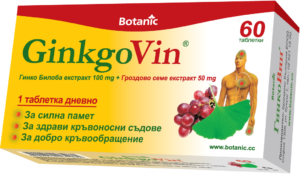
To support the health of the heart and the cardiovascular system, GinkgoVin offers a natural solution with two powerful active ingredients.
GinkgoVin contains a ginkgo biloba extract of pharmaceutical-grade purity. The herb supports circulation to the heart, brain and extremities, and helps maintain normal blood flow and healthy blood vessels. Ginkgo biloba has been studied in relation to circulatory problems.
GinkgoVin also contains a grape seed extract standardised to 95% active substances (proanthocyanidins), a powerful natural antioxidant. Its bioactive ingredients help support normal circulation in the small peripheral blood vessels and contribute to the elasticity of the vessel walls.
GinkgoVin is well suited to those looking for support with circulation and concentration as part of a healthy lifestyle. The combination of the two extracts offers comprehensive support for the cardiovascular system and the brain. GinkgoVin helps maintain healthy circulation, normal blood pressure, concentration and memory.
Find out more about GinkgoVin!
Chronic conditions
If you have diabetes, high blood pressure or high cholesterol, it is important to monitor these through medical care, diet and changes to your lifestyle.
Sleep
Good-quality sleep of 7 to 9 hours per night is important for the recovery of the heart and for overall wellbeing. Poor sleep may increase the risk of heart disease.
Conclusion
The heart is of central importance to life, performing the essential task of circulating blood throughout the body. Looking after your health through proper nutrition, regular physical activity, stress management and avoiding risk factors such as smoking can significantly improve your quality of life and reduce the risk of heart disease.
Combining a healthy lifestyle with GinkgoVin can provide additional support for the cardiovascular system. Regular medical check-ups and early detection of problems are key to timely care and to reducing the risk of serious complications.
Find out more about GinkgoVin!
Share the article:
Latest articles
Memory
There are many types of memory, from short-term and sensory memory to associative forms. Here is how we learn, store and recall information.
Amylase
Amylase is an enzyme secreted by the pancreas and the salivary glands. It begins breaking down starch in the mouth, turning complex carbohydrates…
Comments