Arthritis
· BotanicLife · 10 min read
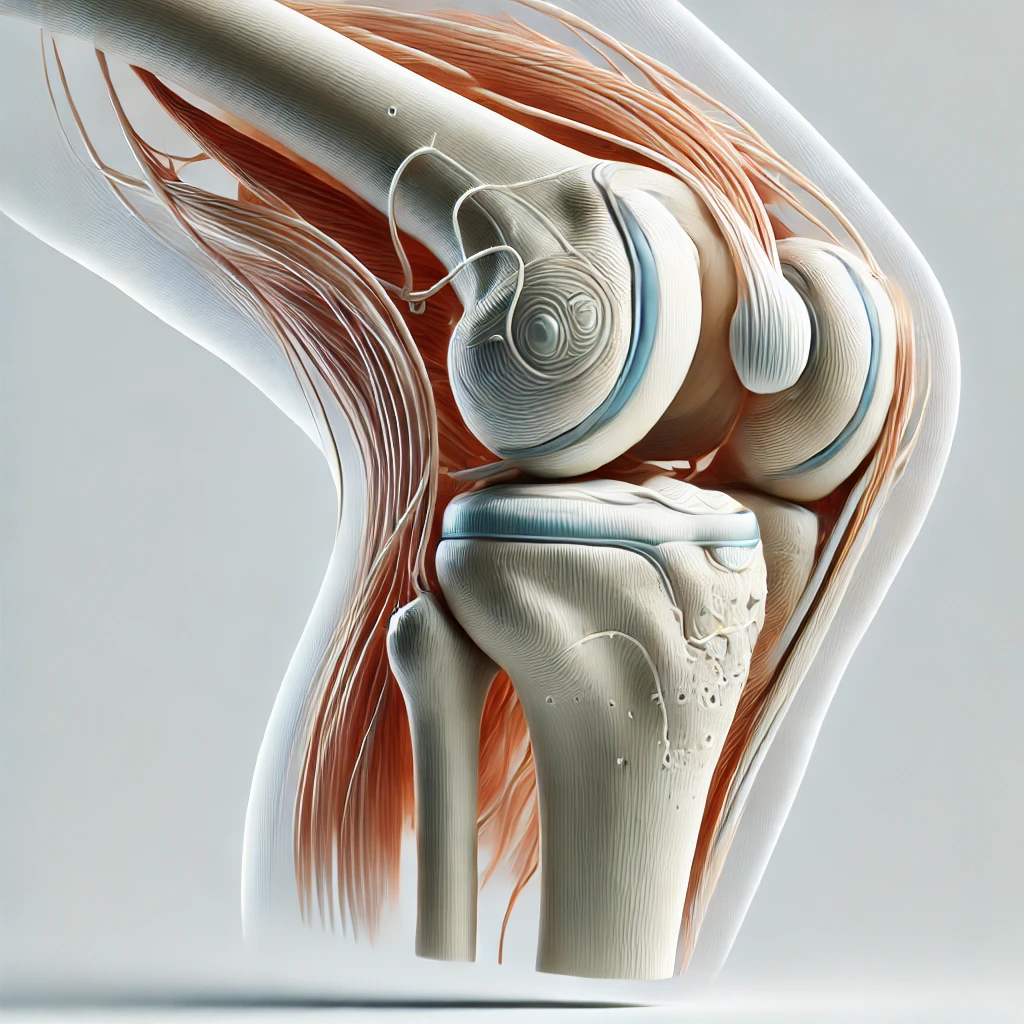
Arthritis is not a single disease but rather a term used to describe a group of over 100 medical conditions affecting the musculoskeletal system, specifically the joints. It's a prevalent condition affecting millions of people worldwide and is often associated with significant pain, limited mobility, and reduced quality of life. This article aims to provide an in-depth look at the types of arthritis, its symptoms, causes, and how it can be managed.
Types of Arthritis
Osteoarthritis (OA)
Pathophysiology
Osteoarthritis is characterized by the progressive deterioration of joint cartilage and underlying bone. This degradation leads to changes in the structure and function of the affected joints, ultimately impairing their functionality.
Risk Factors
The risk factors include age (it becomes more common as people get older), obesity, joint injuries, and sometimes genetics. Women are also more likely to develop osteoarthritis than men.
Symptoms
Symptoms may include persistent pain in the affected joints, swelling, and reduced mobility. In severe cases, the joint may become completely immobile.
Treatment
Management usually involves pain relief through medications like NSAIDs, physical therapy to improve mobility, and in some cases, surgical intervention like joint replacement.
Rheumatoid Arthritis (RA)
Pathophysiology
Rheumatoid Arthritis is an autoimmune condition where the body's immune system erroneously targets the synovial lining of the joints. This leads to inflammation, which over time can result in irreversible joint damage and deformities.
Risk Factors
RA is more common in women and may be triggered by a combination of genetic and environmental factors. Smoking is a known risk factor.
Symptoms
Typical symptoms include swollen, tender joints that may feel warm to the touch, fatigue, and sometimes fever. RA generally affects joints on both sides of the body.
Treatment
Treatment often involves the use of disease-modifying antirheumatic drugs (DMARDs) to slow down disease progression, along with medications to manage symptoms.
Psoriatic Arthritis (PsA)
Pathophysiology
Psoriatic Arthritis is a chronic condition that occurs in individuals with psoriasis, a skin disease that causes red, scaly patches on the skin. In PsA, the immune system attacks both the skin and the joints.
Risk Factors
Having psoriasis is the most significant risk factor for developing PsA. A family history of the disease also increases the risk.
Symptoms
Alongside skin lesions, symptoms may include joint pain, stiffness, and swelling. Nail changes and generalized fatigue are also common.
Treatment
Treatment options typically include NSAIDs for symptom relief and newer biological therapies targeting the underlying inflammatory processes.
Gout
Pathophysiology
Gout occurs due to the accumulation of uric acid crystals in the joints, most commonly the big toe. These crystals cause severe inflammation and pain, known as a "gout attack."
Risk Factors
High levels of uric acid in the blood due to diet (high in purines), obesity, and certain medications can predispose individuals to developing gout.
Symptoms
Acute, intense pain in the affected joint, often occurring at night, is the most common symptom. The joint may also become red, swollen, and warm.
Treatment
Immediate treatment usually involves anti-inflammatory medications to manage the acute pain. Long-term treatment focuses on lowering uric acid levels through diet and medication.
By understanding these types of arthritis in greater detail, healthcare providers and patients can better identify and manage these complex conditions effectively.
Causes of Arthritis
Genetic Predisposition
Genetics plays a significant role in the development of certain forms of arthritis, particularly those of an autoimmune nature like rheumatoid arthritis. For instance, the presence of specific human leukocyte antigen (HLA) genotypes can increase susceptibility to rheumatoid arthritis. It's important to note, however, that having a genetic predisposition does not guarantee the onset of the disease; rather, it increases vulnerability. Genetic factors often interact with environmental triggers to initiate the pathological process that leads to joint inflammation and damage.
Environmental Factors
Environmental influences can also act as potential triggers for arthritis. In cases of rheumatoid and psoriatic arthritis, exposure to pathogens such as viruses or bacteria is believed to trigger an abnormal immune response, leading to joint inflammation. For example, infections like Epstein-Barr virus (EBV) or bacteria like Porphyromonas gingivalis, which is associated with gum disease, have been researched as possible triggers.
Lifestyle Choices
The risk of developing osteoarthritis is influenced by lifestyle factors such as weight, physical activity, and occupational practices. Obesity puts added stress on weight-bearing joints like the knees and hips, accelerating cartilage wear. Lack of physical activity can lead to muscle weakness and joint stiffness, both of which can exacerbate the symptoms of arthritis. Occupations that require repetitive movements or heavy lifting can also contribute to joint deterioration over time. Additionally, lifestyle choices like smoking and a diet rich in processed foods can create a pro-inflammatory state in the body, thus increasing the risk of inflammatory types of arthritis.
Age and Gender
The prevalence of arthritis increases with age, particularly for osteoarthritis. As people age, the cumulative wear and tear on the joints increase, leading to a higher risk of developing this condition. In the case of rheumatoid arthritis, gender plays a noteworthy role; it is more commonly diagnosed in women than in men. Conversely, gout, another form of arthritis, is more common in men and is often associated with other conditions like hypertension and metabolic syndrome.
Understanding the multifactorial causes of arthritis—including genetic predisposition, environmental triggers, lifestyle choices, age, and gender—can help individuals take proactive steps to reduce their risk and aid healthcare providers in devising more effective and personalized treatment plans.
Symptoms of Arthritis
Joint Pain
This is the hallmark symptom across all types of arthritis. The nature of the pain can vary from a dull ache to a burning sensation and may worsen during specific activities or times of the day.
Stiffness
Limited joint mobility, often noticeable upon waking up or after extended periods of inactivity, is another common symptom.
Swelling and Inflammation
Many forms of arthritis feature joint swelling due to inflammation or fluid accumulation.
Reduced Range of Motion
Over time, affected joints may become less flexible, leading to a decrease in functional capacity and increased disability.
Quality of Life
Severe cases can be debilitating, affecting everything from basic mobility to performing daily activities, thereby significantly impacting quality of life.
Diagnosis of Arthritis
Clinical Assessment
The first step in the diagnostic process for arthritis generally involves a comprehensive clinical assessment. During this initial consultation, healthcare providers will gather a detailed medical history, focusing on the onset, duration, and character of the symptoms. This may include questions about the quality of pain (e.g., sharp, dull, burning), whether the pain is constant or intermittent, and any activities or conditions that seem to exacerbate or alleviate the symptoms. The healthcare provider will also likely ask about any family history of arthritis or related conditions, as this could indicate a genetic predisposition.
A physical examination will follow, during which the physician will evaluate the affected joints for signs of inflammation, deformity, and restricted mobility. They may assess the joints for tenderness, swelling, warmth, and a limited range of motion. Comparing the affected joints to their healthy counterparts is common practice, and other systems, such as the skin and internal organs, may also be evaluated depending on the suspected type of arthritis.
Imaging Studies
Radiographic studies are an essential component of the diagnostic process. Standard X-rays can reveal joint deformities and the narrowing of spaces between joints, characteristic of osteoarthritis. Magnetic Resonance Imaging (MRI) scans provide a more detailed view, allowing the visualization of soft tissue structures like ligaments and cartilage, which is particularly helpful in cases of rheumatoid arthritis or injuries. CT scans (Computed Tomography) may also be employed to get cross-sectional images and are particularly useful in assessing the severity of the damage in complex joints like the spine.
Blood Tests
Blood tests are often recommended to support the diagnosis and to distinguish between different types of arthritis. Common markers of inflammation, such as C-Reactive Protein (CRP) and Erythrocyte Sedimentation Rate (ESR), are usually measured. Additionally, blood tests may also be used to detect the presence of specific autoantibodies associated with certain types of autoimmune arthritis, like Rheumatoid Factor (RF) or Anti-Citrullinated Protein Antibody (ACPA) for rheumatoid arthritis.
By combining information from the clinical assessment, imaging studies, and blood tests, healthcare providers can make a more accurate diagnosis of the type and severity of arthritis, thereby facilitating a targeted and effective treatment plan.
Management and Treatment of Arthritis
Medication
Pharmaceutical intervention often serves as the first line of treatment for arthritis, with Non-Steroidal Anti-Inflammatory Drugs (NSAIDs) and corticosteroids being the most commonly prescribed medications. NSAIDs, such as ibuprofen and naproxen, help reduce inflammation, pain, and fever. Corticosteroids like prednisone, on the other hand, are potent anti-inflammatory agents that can quickly alleviate symptoms but are generally reserved for short-term use due to their potential side effects, which include osteoporosis, weight gain, and increased susceptibility to infections.
Physical Therapy
Physical therapy offers a personalized approach to enhance joint functionality and overall mobility. Therapists create customized exercise programs to strengthen the muscles around the affected joints, thereby offering better support and reducing the load on them. Manual therapy techniques may also be employed to improve joint mechanics, and various modalities like heat or ice therapy can provide symptomatic relief.
Lifestyle Modifications
Dietary and lifestyle changes can profoundly affect arthritis management. Achieving and maintaining a healthy weight relieves stress on weight-bearing joints, reducing pain and slowing the progression of the disease. Incorporating anti-inflammatory foods like fatty fish, berries, and leafy green vegetables can further mitigate inflammation. Exercise, particularly low-impact activities like swimming or walking, helps maintain joint function and can even reduce the symptoms over time.
Surgical Interventions
For individuals experiencing severe joint damage that significantly impairs their basic functions and quality of life, surgical options may be considered. Total joint replacement surgeries, such as hip or knee arthroplasty, replace the damaged joint with artificial components made of metal or plastic. These procedures are generally quite successful, restoring mobility and significantly reducing pain.
Alternative Therapies
In addition to conventional treatments, some individuals turn to alternative therapies for symptom relief. Acupuncture, for example, involves inserting thin needles into specific points on the body to rebalance energy flow, which some believe can reduce arthritis pain. Chiropractic care focuses on spinal adjustments to improve body mechanics and relieve pain. However, the effectiveness of these alternative therapies varies among individuals and is not universally supported by scientific evidence.
Understanding the intricacies of arthritis is crucial for optimal management and treatment. By being well-informed and proactive, individuals can maintain a higher quality of life despite the challenges posed by this chronic condition.
ForFlex
For those seeking a natural approach to arthritis management, ForFlex offers a promising solution. This unique supplement combines glucosamine, boswellia, and ginger extracts, ingredients that have been researched for their potential anti-inflammatory and joint-supportive properties. Glucosamine is a natural compound found in cartilage and is often used to support joint health.
Boswellia extract, derived from the resin of the Boswellia serrata tree, has been traditionally used in Ayurvedic medicine and is known for its anti-inflammatory effects.1
Ginger, another powerful natural anti-inflammatory, has also been included to provide additional support for reducing joint pain and improving mobility.2
When used as part of a comprehensive arthritis management plan, ForFlex may offer a natural alternative or complementary treatment to pharmaceutical options, aimed at reducing symptoms and improving quality of life.

ForFlex - for healthy joints: https://botaniclife.eu/products/forflex/
Conclusion
Arthritis is a complex family of musculoskeletal disorders with varying causes and treatments. While there's no cure, a range of treatments are available to manage symptoms and improve the quality of life. Early diagnosis and a comprehensive treatment plan are crucial for effective management of this debilitating condition. If you're experiencing joint pain or other symptoms of arthritis, consult your healthcare provider for a proper diagnosis and treatment plan tailored to your needs.
ForFlex - for healthy joints: https://botaniclife.eu/products/forflex/
Sources Cited
- Boswellia Serrata, a Potential Antiinflammatory Agent: An Overview, www.ncbi.nlm.nih.gov/pmc/articles/PMC3309643/. Accessed 1 Sept. 2023.
- Author links open overlay panelM. Thomson a, et al. “The Use of Ginger (Zingiber Officinale ROSC.) as a Potential Anti-Inflammatory and Antithrombotic Agent.” Prostaglandins, Leukotrienes and Essential Fatty Acids, Churchill Livingstone, 3 Dec. 2002, www.sciencedirect.com/science/article/abs/pii/S0952327802904412.
Share the article:

BotanicLife
Latest articles

Memory
There are many types of memory, from short-term and sensory memory to associative forms. Here is how we learn, store and recall information.
Amylase
Amylase is an enzyme secreted by the pancreas and the salivary glands. It begins breaking down starch in the mouth, turning complex carbohydrates…
Comments