Atherosclerosis
· 8 min read

Atherosclerosis is a serious disease of the circulatory system that can have long-term and dangerous consequences for your health. It involves the build-up of deposits on the inner walls of the arteries, which causes them to thicken and harden. This process hinders normal blood flow and can lead to raised arterial blood pressure, heart attacks and strokes.

Risk factors for atherosclerosis
Atherosclerosis is a complex disease that can be influenced by many factors. Understanding these risk factors is essential, as they play a key role in the development of the disease.
Chronic high blood pressure
Chronically high blood pressure, also known as hypertension, is a serious risk factor for atherosclerosis. Elevated pressure in the arteries exerts constant force on their walls and makes them more vulnerable to damage. This ongoing strain can disrupt normal blood circulation and lead to additional build-up of cholesterol and other substances in the artery walls.
Learn everything you need to know about high blood pressure: /high-blood-pressure-causes-symptoms-complications/
Diabetes
Diabetes, particularly type 2, associated with high blood sugar and an unhealthy diet, represents a significant risk for atherosclerosis. Elevated blood sugar levels can damage the walls of blood vessels and accelerate the formation of atherosclerotic plaques.
Learn everything you need to know about diabetes: /diabetes-everything-you-need-to-know/
Thyroid gland disorders
The thyroid gland has a very important role in the overall function of the body, including in relation to atherosclerosis. Problems with the thyroid gland can lead to disturbances in the metabolism of cholesterol and other molecules that lead to disease.
Learn everything you need to know about the thyroid gland: /thyroid-gland/
Dyslipidaemia
Dyslipidaemia involves various imbalances in the levels of cholesterol and triglycerides in the blood. High levels of "bad" cholesterol (LDL) and low levels of "good" cholesterol (HDL) are associated with a greater risk of atherosclerosis. This imbalance of cholesterol can lead to damage to the structure of the arterial walls and encourage the formation of plaques.
Unbalanced diet and unhealthy eating
An unbalanced diet and unhealthy eating are two main risk factors that a person can influence through their own lifestyle. Nothing in the diet can affect the composition of the blood and encourage the development of atherosclerotic plaques.
Apart from this, consuming fatty meats and dairy (animal fats, egg yolk, all kinds of cheese, bacon, lard, fatty meat) can increase the level of "bad" cholesterol in the blood and increase the risk of developing atherosclerosis. The presence of trans fats in the body additionally contributes to the synthesis of cholesterol. The body uses them to produce hormones. Another factor encouraging the formation of atherosclerotic plaques is unrecognised stress. Increased levels of the stress hormone cortisol, as well as the synthesis of homocysteine, are causes of inflammation and cholesterol production. Additionally, excessive salt and sugar, the lack of fibre in food, and an irregular eating regime are also risk factors.
Excessive alcohol consumption
Excessive alcohol consumption can lead to high blood pressure, disturbed cholesterol processing and damage to the liver. This increases the risk of arterial disease.
Lack of physical activity and overweight
A sedentary lifestyle and overweight are closely linked to an increased risk. Lack of regular physical activity can reduce the overall functionality of the body and increase the build-up of cholesterol and fats in the arteries.
Symptoms of atherosclerosis
Atherosclerosis can develop for years without noticeable symptoms. This makes the condition even more dangerous, as progressive narrowing may occur before clear signals appear. Moreover, depending on the stage, different symptoms may appear, suggesting the presence of the disease and the risk of complications.
Angina or pain in the chest (Stenocardia)
One of the most common manifestations of atherosclerosis is stenocardia, which appears as pain in the chest, pressure or discomfort in the area of the chest. This may occur during physical exertion or stress, when the heart needs more oxygen. Narrowing in the arteries supplying the heart muscle may lead to reduced blood flow and subsequently to stenocardia.
Fatigue and muscle weakness during physical exertion
If the walls of the arteries become narrowed due to atherosclerotic plaques, this may lead to a reduction in the passage of blood. It manifests as fatigue and muscle weakness during even light physical activity. Limited blood supply to the muscles and tissues may lead to exhaustion and difficulties when performing everyday activities.
Shortness of breath and lack of air during exertion
The disease may also affect the blood vessels of the lungs and bronchi, which can lead to difficult breathing, especially during physical activity. The narrowing of the blood vessels supplying the lungs may increase the risk of shortness of breath and discomfort when inhaling and exhaling.
Neurological symptoms
In cases where the condition affects the blood vessels that supply blood to the brain, neurological symptoms may appear. These may include dizziness or paralysis of the face, arms or legs. Changes in vision, speech and coordination may also be noticeable.
Changes in vision
Atherosclerosis may affect the arteries that feed the eyes with blood, which may lead to changes in vision. These changes include impairment of peripheral vision, loss of visual field and sometimes loss of sight.
Pain or cramps in the legs
When atherosclerotic plaques narrow the arteries supplying blood to the legs, this may lead to pain while walking and impaired circulation.
Diagnosing atherosclerosis
Atherosclerosis is often diagnosed by a doctor who may use different methods to assess the condition of the circulatory system. These methods include:
Clinical Examination
The doctor will examine the patient, including checking the pulse and the presence of pain in the chest or other symptoms.
Blood Tests
Blood tests can measure the level of cholesterol, triglycerides and other markers that may be associated with atherosclerosis.
Electrocardiogram (ECG)
An ECG may show abnormal signals from the heart, which may be associated with insufficient blood supply.
Imaging studies with X-rays
Methods such as coronary angiography or computed tomography (CT) may be used to visualise the arteries and assess the degree of narrowing.
Treatment of Atherosclerosis
The treatment of atherosclerosis focuses on reducing risk factors and supporting the cardiovascular system. This may include the following approaches:
Changes in habits
A healthy start to the day, including healthy eating, physical activity and avoiding overeating, may help to reduce the risk of atherosclerosis.
A good eating regime can help lower the level of "bad" (LDL) cholesterol, raise the level of "good" (HDL) cholesterol and even protect the heart and help prevent atherosclerosis. Foods that should be part of your menu are all kinds of vegetables and fruits, eaten as fresh as possible, whole grains such as wheat, oats, rye, buckwheat, millet, barley, quinoa, brown rice, lentils, peas, beans, almonds, walnuts, hazelnuts and fish, wholemeal bread, unsweetened yoghurt, eggs (white), skimmed milk, boiled fish, lean meat, garlic, onion, spices, olive oil in limited quantities. Beans and grains are particularly beneficial, as they contain fibre that helps cleanse cholesterol from the body.
Medicinal Treatment
Medicines to reduce cholesterol and blood pressure, as well as anticoagulants, may be used to control risk factors.
Interventions
In some cases, procedures such as stenting of arteries or bypass of coronary arteries may be carried out to restore normal blood flow.
GinkgoVin
We recommend the intake of extracts from Ginkgo biloba and grape seed, which have a beneficial effect on the circulatory system. Ginkgo biloba is known as a natural aid for blood circulation. It supports the oxygenation of the brain, the heart and the extremities. This makes Ginkgo biloba suitable for those at risk of cognitive decline, previous heart attack or stroke, and for those with poor circulation. Observations show continued support for concentration and memory and support for healthy blood flow. It has been established that the extract of Ginkgo biloba has a beneficial effect on circulation in atherosclerosis, Raynaud's disease (a syndrome of "cold fingers"), and circulatory problems in the legs when walking.
Grape seed extract contains oligomeric proanthocyanidins. They are powerful antioxidants and protect cells from the damaging action of free radicals. The extract supports the elasticity of blood vessel walls, makes them healthier and more stable, which complements and strengthens the action of the Ginkgo biloba extract. It has anti-allergic and anti-inflammatory properties and is a good immunostimulator. Proanthocyanidins protect the walls of veins by supporting the formation of dilated veins and swollen capillaries (varicose veins).
The unique combination of the two plants is provided by the dietary supplement GinkgoVin, which differs in the high concentration of extracts in one tablet. The Ginkgo biloba extract has a very high purity of less than 5 ppm (the permissible amount of ginkgolic acid). Above this value, intake is associated with unwanted side effects. GinkgoVin is supplied in a pack containing 60 tablets, which is sufficient for a two-month intake. The product is available without a prescription.
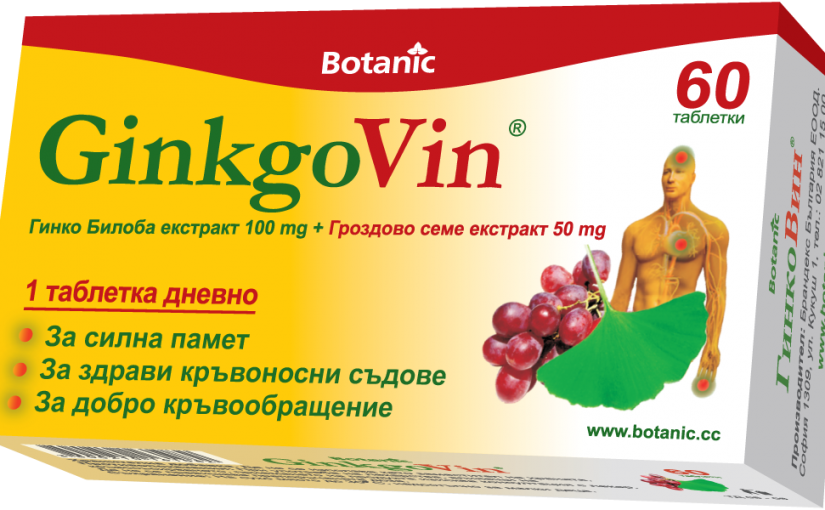
GinkgoVin - for good memory and circulation: /products/ginkovin/
Conclusion
Atherosclerosis is a serious disease that can lead to serious health problems, including heart attack and stroke. Proper eating, physical activity and monitoring of risk factors are of essential importance for maintaining heart and circulatory health. Additional support can be provided through GinkgoVin, which combines the beneficial properties of Ginkgo biloba and grape seed. For any suspicion of atherosclerosis or other cardiovascular problems, it is always advisable to consult a doctor for an accurate diagnosis and treatment.
GinkgoVin - for good memory and circulation!
Share the article:
Latest articles

Memory
There are many types of memory, from short-term and sensory memory to associative forms. Here is how we learn, store and recall information.
Amylase
Amylase is an enzyme secreted by the pancreas and the salivary glands. It begins breaking down starch in the mouth, turning complex carbohydrates…
Comments