Chickenpox
· 8 min read
Chickenpox, also known as varicella, is a highly contagious viral infection, usually caused by the varicella-zoster virus. It most often affects children, but it can also affect adults, especially those who were not vaccinated or have not had it before.
Causes of Chickenpox
Risk Groups
Children: most often affects children under 12 years old who are in contact with infected children in nurseries and schools.
Unvaccinated people: adults and children who have not been vaccinated against chickenpox or have not had it are at higher risk of infection and complications.
Immunocompromised individuals: people with a weakened immune system, such as patients with HIV, cancer patients undergoing chemotherapy, or those taking immunosuppressive drugs, are at higher risk of serious complications from infection.
Pregnant women: chickenpox during pregnancy can lead to serious problems for both the mother and the baby, including congenital varicella syndrome.
Transmission Routes
Airborne route: the virus spreads through coughing and sneezing, which release infected droplets into the air. Others in the same room can breathe them in.
Direct contact: contact with fluid from the blisters of an infected person can lead to infection.
Indirect contact: the virus can be passed on through contact with contaminated objects such as towels, toys or utensils used by someone who has been in contact with an infected person.
Understanding the risk groups and transmission routes is essential for preventing the spread of chickenpox and for effectively managing outbreaks in the community and in healthcare settings.
Symptoms of Chickenpox
Symptoms of chickenpox usually appear 10 to 21 days after infection and include:
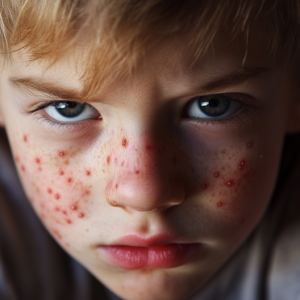
Rash: it starts as small red spots that quickly turn into fluid-filled blisters. The blisters burst and form scabs.
Fever: a raised temperature is often observed, which may last for several days.
Tiredness and weakness: patients often feel exhausted and unwell.
Other symptoms: headache, muscle aches and loss of appetite may occur.
Development and Stages of Chickenpox
Chickenpox progresses through several stages, each with its own characteristic symptoms and duration:
Incubation Period
- Duration: usually lasts 10-21 days after infection.
- Symptoms: there are no visible symptoms during this period. The virus multiplies in the body, and the infected person can pass on the infection without knowing it.
Prodromal Stage
- Duration: usually lasts 1-2 days before the rash appears.
- Symptoms: patients may experience fever, tiredness, headache and general discomfort. Loss of appetite may also occur.
Eruption Stage
- Duration: the rash appears over 3-5 days.
- Symptoms: small red spots first appear on the skin, which quickly turn into fluid-filled blisters. They can cause itching and discomfort. The blisters gradually burst and form scabs.
- Distribution: the rash usually starts on the face, chest and back, then spreads across the whole body, including the scalp, mouth and genitals.
Recovery Stage
- Duration: usually lasts 1-2 weeks.
- Symptoms: the scabs begin to fall off and gradually heal. It is important to avoid scratching the scabs, to prevent secondary infection and scarring.
- Contagion: the person remains contagious until all the blisters have been covered with scabs.
Understanding these stages is important for diagnosing and managing chickenpox, as well as for preventing the spread of infection among close contacts and in the community.
Diagnosis of Chickenpox
Clinical Assessment
Physical Examination
The specialist will carry out a general examination, paying attention to the characteristic blisters and symptoms such as fever and tiredness.
Anamnesis
Collecting information about the patient's contact with people who have chickenpox, as well as previous vaccinations and illnesses.
Laboratory Tests
In some cases, additional laboratory tests may be ordered to confirm the diagnosis.
Virological Tests
These include direct immunofluorescence or polymerase chain reaction to identify the varicella-zoster virus in samples taken from skin lesions.
Serological Tests
They can measure the presence of antibodies against the varicella-zoster virus in the blood. IgM antibodies usually appear shortly after infection, while IgG antibodies remain in the body for a long time and indicate past infection or vaccination.
Differential Diagnosis
Some diseases, such as herpes zoster, herpes simplex, infectious erythema and other viral infections, may have similar rashes and symptoms. The doctor may use clinical and laboratory data to exclude these diseases and confirm the diagnosis of chickenpox.
Treatment of Chickenpox
Treatment of chickenpox focuses on relieving symptoms and preventing complications. The disease usually resolves within 1-2 weeks.
Antipyretics
- Aim: reducing temperature and relieving pain in difficult conditions.
- Examples: paracetamol is preferred, as aspirin may cause Reye's syndrome in children.
- Instructions: follow your doctor's advice or the instructions on the packaging when needed.
Antihistamines
- Aim: relieving itching.
- Examples: diphenhydramine and loratadine may help.
- Form: tablets, syrups or topical creams.
Calamine Lotion
- Aim: soothing the skin.
- Method of use: apply to the blisters several times a day.
Moisturising Creams
- Aim: hydrating the skin.
- Examples: creams with aloe vera.
Rest and Hydration
Make sure you get enough sleep and drink plenty of fluids, such as water and herbal teas.
Additional Measures
- Isolation: avoid contact with other people, especially vulnerable groups.
- Hygiene: wash your hands regularly and avoid scratching the blisters.
These measures can help with faster and more comfortable recovery. In case of complications or severe symptoms, consult a doctor.
Complications
Chickenpox usually passes without problems, but it can lead to serious complications, especially in adults, newborns and people with a weakened immune system. Some of the most common complications are:
Bacterial Skin Infections
- Cause: arises when blisters are scratched, allowing bacteria to enter the skin.
- Symptoms: redness, swelling, pain and pus from the infected blisters.
- Treatment: may require antibiotic treatment prescribed by a doctor.
Pneumonia
- Risk: can develop in adults, pregnant women and people with a weakened immune system.
- Symptoms: cough, difficulty breathing, chest pain and high temperature.
- Treatment: may require hospitalisation and treatment with antiviral drugs and antibiotics.
Encephalitis
- Cause: inflammation of the brain, which is rare but a serious complication of chickenpox.
- Symptoms: headache, vomiting, drowsiness, confusion and, in severe cases, coma.
- Treatment: requires urgent medical help and may include antiviral drugs and steroids.
Reye's Syndrome
- Risk: rare but serious condition, linked to the use of aspirin in children with viral infections such as chickenpox.
- Symptoms: sudden vomiting, drowsiness, lethargy and convulsions.
- Treatment: urgent medical help in hospital conditions.
Other Possible Complications
- Sepsis: spread of the infection in the blood, which can be life-threatening.
- Severe haemorrhage: bleeding under the skin, which may occur in severe cases of chickenpox. Seek help immediately!
- Thrombocytopenia: reduction in the number of platelets, which can lead to problems with blood clotting.
Preventing complications includes correct treatment of symptoms, avoiding scratching the blisters, and consulting a doctor if serious symptoms appear.
Prevention
Vaccination is the most effective way to prevent chickenpox. The vaccine against chickenpox is part of routine immunisation programmes and is recommended for all children, as well as for adults who have not been ill or vaccinated before. The vaccine is given in two doses, usually at 12-15 months and 4-6 years.
Avoiding Contact with the Sick
Limiting contact with people who have an active infection: it is especially important to avoid contact with children with chickenpox, particularly for pregnant women, newborns and people with a weakened immune system, as they are most vulnerable to serious complications.
Hygiene
Maintaining good personal hygiene: regular hand washing with soap and water is an essential way to prevent the spread of the virus.
Using disinfectants: disinfecting surfaces the patient has touched helps reduce the risk of spreading the infection.
Isolation
The patient should stay at home until all the blisters have been covered with scabs, to avoid spreading the virus to others.
Following these preventive measures can significantly reduce the risk of infection and spread of chickenpox, ensuring protection for both individuals and public health as a whole.
Recovery
Once the symptoms of chickenpox subside and the blisters are covered with scabs, recovery is quick, but skin care remains important for preventing scarring. Maintaining good health and well-hydrated skin helps speed up recovery.
For overall body support and immune system support, DetoxiFive may be helpful. DetoxiFive supports the body's natural cleansing from toxins and helps maintain the normal functioning of the liver, kidneys and immune system.
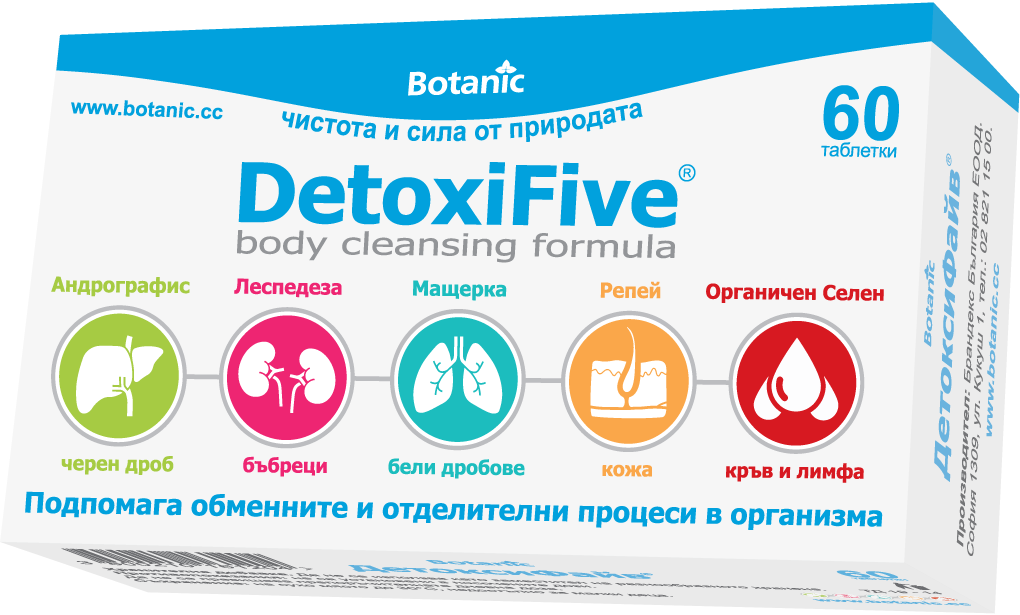
Find out more about DetoxiFive!
Conclusion
Chickenpox is a widespread viral disease that usually passes without problems in children, but it can cause serious complications in adults and people with a weakened immune system. Understanding how it spreads and diagnosing it early play a key role in preventing epidemics and protecting public health.
Vaccination is the most effective method of preventing chickenpox. It provides long-term protection and significantly reduces the risk of complications. For those who are already infected, timely and correct treatment is essential for relieving symptoms and preventing secondary infections.
It is also important to adopt measures for maintaining personal hygiene and to avoid contact with infected people, especially for vulnerable groups such as pregnant women and those with a weakened immune system. Supporting your body with natural products such as DetoxiFive may help strengthen the body and speed up recovery.
Share the article:
Latest articles

Memory
There are many types of memory, from short-term and sensory memory to associative forms. Here is how we learn, store and recall information.
Amylase
Amylase is an enzyme secreted by the pancreas and the salivary glands. It begins breaking down starch in the mouth, turning complex carbohydrates…
Comments