Digestive System
· BotanicLife · 11 min read
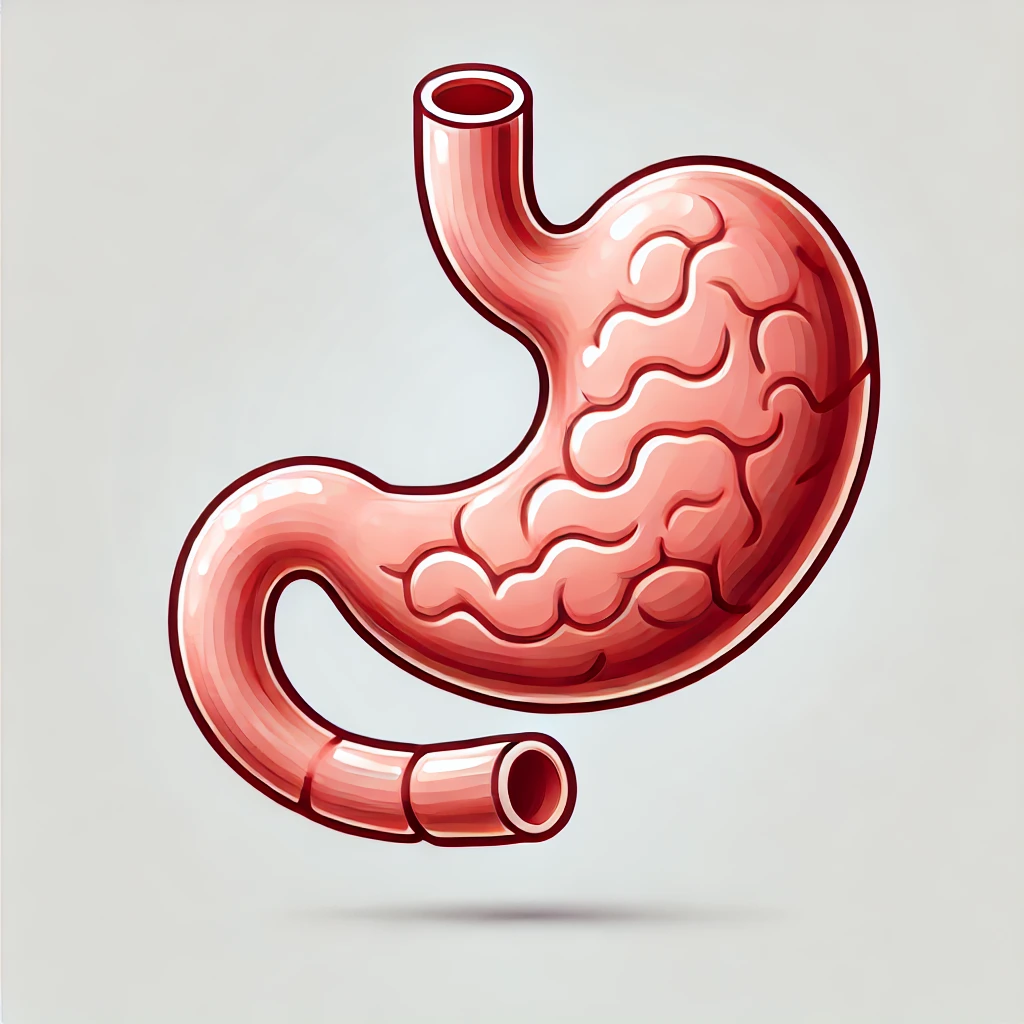
The digestive system is a complex and integral part of the human body, responsible for breaking down food into nutrients and energy that sustain life. It involves a series of biochemical and mechanical processes that begin from the moment you take a bite and continues until waste is expelled. This article aims to provide an overview of the digestive system's structure, function, and the essential role it plays in maintaining overall health.
Organs
Oral Cavity
The oral cavity, commonly referred to as the mouth, serves as the starting point of the digestive journey. The mechanical process of digestion begins with the teeth, which masticate food into smaller particles. Your molars crush food, your incisors cut it, and your canines tear it. Meanwhile, three major salivary glands—the parotid, submandibular, and sublingual glands—secrete saliva, which contains enzymes like salivary amylase that initiate the chemical breakdown of carbohydrates. The tongue is not merely a passive structure; it has muscular agility to mix food with saliva, helping to create a semi-liquid mixture called "bolus." This bolus is then made ready for the next stage of digestion—swallowing.
Esophagus
The esophagus is essentially a muscular tube approximately 20 cm long that connects the throat to the stomach. When you swallow, a coordinated muscular action called peristalsis pushes the bolus downwards. A critical component of the esophagus is the lower esophageal sphincter (LES), a ring-like muscular valve that separates the esophagus from the stomach. The LES functions as a one-way valve, allowing food to enter the stomach while preventing the corrosive stomach acids from refluxing back into the esophagus, which would cause irritation and potential damage.
Stomach
The stomach is a flexible, sac-like structure located in the upper part of the abdomen. It has the capacity to stretch and hold about one liter of food at a time. The stomach wall contains three layers of muscles that facilitate the mechanical churning of food. On the chemical side, the gastric glands secrete gastric juice—a cocktail of hydrochloric acid and enzymes, most notably pepsin. Hydrochloric acid provides the acidic environment needed for pepsin to break down proteins, transforming the bolus into a more liquid form called "chyme."
Small Intestine
The small intestine is a highly specialized and lengthy tube, measuring about 6 m, where most nutrient absorption occurs. It is divided into three segments: the duodenum, jejunum, and ileum. The chyme first enters the duodenum, where it is mixed with pancreatic enzymes like amylase, lipase, and protease, as well as bile from the liver. These enzymes break down carbohydrates, fats, and proteins, respectively. The inner walls of the small intestine are covered with millions of tiny, finger-like projections called villi, which dramatically increase the surface area for nutrient absorption.
Large Intestine
The large intestine, also known as the colon, serves as the terminal part of the digestive system. It's about 1.5 m long and functions primarily to absorb water and electrolytes from the indigestible remnants of food. The remaining solid waste is then compacted into feces. The large intestine consists of the cecum, ascending colon, transverse colon, descending colon, sigmoid colon, and rectum, each serving specific functions in water absorption and waste elimination.
Accessory Organs
The liver, gallbladder, and pancreas play crucial roles as accessory organs in the digestive process. The liver is the largest internal organ and is responsible for producing bile, a greenish-yellow liquid that emulsifies fats, making them easier to digest. The gallbladder acts as a storage unit for bile, releasing it when fatty food enters the duodenum. The pancreas, on the other hand, is a multifunctional organ that produces a range of digestive enzymes, which are secreted into the small intestine to aid in the breakdown of food components.
Understanding the complex machinery of the digestive system helps us appreciate the physiological processes that sustain us, converting food into vital energy and nutrients.
Digestive Functions
Mechanical Actions
The journey of food through the digestive system is facilitated by a series of mechanical actions. These begin in the mouth, with teeth designed for specific tasks. Mastication continues in the stomach with rhythmic churning movements, and advances into the small intestine, where peristaltic waves move the chyme along, ensuring comprehensive breakdown and mixing.
Chemical Actions
A lineup of specialized enzymes and digestive juices engage at various stages. Amylase starts the carbohydrate degradation in the mouth, hydrochloric acid and pepsin in the stomach focus on proteins, and a mixture of enzymes from the pancreas completes the process in the small intestine. Bile from the liver is critical in breaking down fat molecules.
Enzy-Mill contains the seven most important digestive enzymes for a better digestion: https://botaniclife.eu/products/enzymill/
Absorption
Nutrient absorption is the star act in the small intestine. A multitude of enzymes and a sea of villi ensure that molecules like amino acids, simple sugars, and fatty acids find their way into the bloodstream. The capillary network in each villus acts as a transport system, delivering these vital nutrients to cells throughout the body, where they fuel myriad physiological functions.
Elimination of Residual Substances
Beyond absorption, the large intestine handles the vital task of compacting and expelling waste. It draws remaining water and electrolytes from the indigestible remnants, converting them into feces. The rectum then acts as the final storage point before waste materials are eliminated through the act of defecation.
Understanding the digestive system in this granular detail offers us a panoramic view of this intricate physiological network, highlighting its critical role in maintaining health and sustaining life.
Common Digestive Disorders
Acid Reflux (Gastroesophageal Reflux Disease - GERD)
Pathophysiology
Acid reflux, also known as Gastroesophageal Reflux Disease (GERD), occurs when stomach acid, and occasionally bile, flows back into the esophagus. This backflow happens when the lower esophageal sphincter (LES), a muscular ring that separates the stomach and esophagus, weakens or relaxes inappropriately.
Symptoms
The condition manifests through symptoms such as heartburn, chest pain, regurgitation of food or sour liquid, and a sensation of a lump in the throat. Chronic GERD can lead to more serious complications like esophageal ulcers, Barrett's esophagus, and an increased risk of esophageal cancer.
Management
Treatment usually involves lifestyle changes, such as avoiding trigger foods and losing weight, along with medications like antacids, proton pump inhibitors, and H2 blockers to reduce stomach acidity.
Irritable Bowel Syndrome (IBS)
Pathophysiology
IBS is a functional gastrointestinal disorder affecting the large intestine. While the exact cause is unknown, it's believed to result from a combination of abnormal gut motility, heightened sensitivity to abdominal pain, and possibly an imbalance in gut bacteria.
Symptoms
The condition causes a range of symptoms, including abdominal pain, bloating, gas, and altered bowel habits—ranging from diarrhea to constipation. These symptoms are often triggered by certain foods, stress, or hormonal changes.
Management
Management strategies include dietary modifications (like the FODMAP diet), medications such as antispasmodics and laxatives, and psychological therapies like cognitive-behavioral therapy to manage stress.
Celiac Disease
Pathophysiology
Celiac disease is an autoimmune disorder triggered by the ingestion of gluten, a protein found in wheat, rye, and barley. Upon exposure to gluten, the immune system mistakenly attacks the lining of the small intestine, resulting in villous atrophy, which impairs nutrient absorption.
Symptoms
The symptoms can be varied and may include diarrhea, abdominal pain, and bloating. In severe cases, it can lead to malnutrition, stunted growth in children, and neurological symptoms like numbness and tingling in the extremities.
Management
The primary treatment for celiac disease is a strict, lifelong gluten-free diet, which allows the intestinal lining to heal and alleviates symptoms.
Crohn's Disease
Pathophysiology
Crohn’s Disease is an inflammatory bowel disease characterized by chronic inflammation of the gastrointestinal tract. Unlike other forms of IBD, Crohn's can affect any part of the GI tract, from mouth to anus, and can involve multiple non-contiguous segments.
Symptoms
Symptoms include severe diarrhea, abdominal pain, fatigue, and weight loss. The inflammation can be transmural, affecting all layers of the intestinal wall, which may lead to complications like abscesses, fistulas, and intestinal blockages.
Management
Management strategies include anti-inflammatory medications like corticosteroids, immune system suppressors, and biologic therapies aimed at reducing inflammation. Surgical interventions may be necessary for severe cases involving intestinal blockages or fistulas.
Gallstones
Pathophysiology
Gallstones are solid particles that form in the gallbladder, often due to an imbalance in the substances that make up bile. There are two main types: cholesterol stones and pigment stones. These stones can block the bile ducts, leading to inflammation and infection.
Symptoms
Symptoms can include sharp, intense pain in the upper right abdomen, nausea, vomiting, and fever. An acute gallstone attack can result in a more severe condition called cholecystitis, which is inflammation of the gallbladder.
Management
Treatment often involves surgical removal of the gallbladder, although medications to dissolve the stones and minimally invasive techniques to remove them are also options.
By understanding these common digestive disorders in greater detail, patients, caregivers, and healthcare professionals can work collaboratively to manage symptoms and improve the quality of life for those affected.
Comprehensive Guide to Maintaining
The process of digestion is intrinsically linked to overall health and well-being, serving as the gateway through which our bodies obtain essential nutrients like carbohydrates, proteins, fats, vitamins, and minerals. A well-functioning digestive system ensures the efficient breakdown and absorption of these nutrients, which are critical for energy production, cellular repair, and immune function. Conversely, a compromised digestive system can lead to nutrient malabsorption, impacting not just gastrointestinal health but also affecting other systems in the body. Issues like indigestion, constipation, and diarrhea can be early warning signs of deeper health concerns, including metabolic imbalances, chronic inflammation, and even mental health issues like anxiety and depression. Therefore, maintaining digestive health is foundational for achieving a holistic sense of wellness.
Eat a Balanced Diet
Eating a well-rounded diet rich in fiber, fruits, vegetables, and lean proteins is essential for good digestive health.
Fiber
Foods high in fiber, such as whole grains and leafy greens, can help facilitate smoother bowel movements, reduce constipation, and even lower your risk of developing conditions like irritable bowel syndrome (IBS) and diverticular disease.
Fruits and Vegetables
These provide essential nutrients and fiber that aid in digestion. They also contain antioxidants that can reduce inflammation in the digestive tract.
Lean Proteins
Options like fish, chicken, and turkey are easier to digest compared to fatty cuts of meat and provide the necessary building blocks for tissue repair.
Stay Hydrated
Water is a crucial element for nearly every bodily process, including digestion.
Role in Digestion
Water helps dissolve fats and soluble fiber, allowing these substances to pass more easily through your system. It also assists digestive enzymes in breaking down food more effectively.
Hydration Tips
Aim for at least 8 cups of water a day, more if you're active or live in a hot climate.
Avoid Overeating
Large meals can overwhelm your digestive system, causing acid reflux, indigestion, and general discomfort.
Portion Control
Use smaller plates to naturally reduce portion sizes and eat slowly to give your body time to signal that it's full.
Meal Timing
Eating smaller meals more frequently can keep your metabolism active and reduce stress on the digestive system.
Exercise Regularly
Physical activity is another critical component of digestive health.
Motility
Exercise helps increase the motility of the digestive tract, thus aiding in the movement of food and waste.
Specific Exercises
Even low-impact exercises like walking can be beneficial. Core-strengthening exercises can also improve digestive function.
Manage Stress
High stress levels can significantly disrupt digestive functioning.
Mind-Body Techniques
Deep breathing exercises, meditation, and yoga can stimulate better blood flow to the digestive tract and encourage more effective digestion.
Professional Help
If stress becomes unmanageable, consider consulting a healthcare professional for more personalized techniques.
Limit Fatty Foods
While fats are an essential macronutrient, they slow down the digestive process, which can lead to constipation or diarrhea.
Healthy Fats
Opt for sources of healthy fats like avocado and fatty fish over fried foods and fatty cuts of meat
Enzy-Mill: A Comprehensive Digestive Aid
If you're looking for additional support for your digestive health, consider Enzy-Mill. This all-in-one digestive enzyme supplement contains a powerful blend of enzymes that help break down complex food components into easily absorbable nutrients. Here are the key ingredients:
- Amylase: Breaks down carbohydrates into simpler sugars.
- Lipase: Responsible for breaking down fats into fatty acids and glycerol.
- Protease 4.5 and 3.0: These enzymes break down proteins into amino acids, easing the workload of your stomach and small intestine.
- Alpha-galactosidase: Helps in the breakdown of complex carbohydrates such as those found in certain vegetables, beans and grains.
- Lactase: Useful for people who are lactose intolerant, as it breaks down lactose into simpler sugars.
- Cellulase: Helps in breaking down cellulose, a type of fiber, into smaller units.
- Bromelain: Extracted from pineapple, bromelain aids in the digestion of proteins.
What sets Enzy-Mill apart is that all its enzymes are sourced from non-animal sources, making it suitable for vegetarians and vegans.

By including Enzy-Mill as part of your daily regimen, you can optimize nutrient absorption, minimize digestive discomfort, and ensure your digestive system operates smoothly.
Enzy-Mill - for a healthy digestion: https://botaniclife.eu/products/enzymill/
Conclusion
The digestive system is a complex marvel, elegantly designed to convert the food we eat into life-sustaining nutrients and energy. Each component, from the mouth to the colon, works in harmony, performing a specific role in this intricate biological orchestra. Understanding this complexity not only deepens our appreciation for human biology but also informs our lifestyle choices, reinforcing the critical role that this system plays in overall well-being. In essence, a deeper grasp of our digestive system invites us to make wiser decisions that benefit our health, energy, and quality of life.
Enzy-Mill - for a healthy digestion: https://botaniclife.eu/products/enzymill/
Share the article:

BotanicLife
Latest articles
Memory
There are many types of memory, from short-term and sensory memory to associative forms. Here is how we learn, store and recall information.
Amylase
Amylase is an enzyme secreted by the pancreas and the salivary glands. It begins breaking down starch in the mouth, turning complex carbohydrates…
Comments