Fatty Liver
· 7 min read
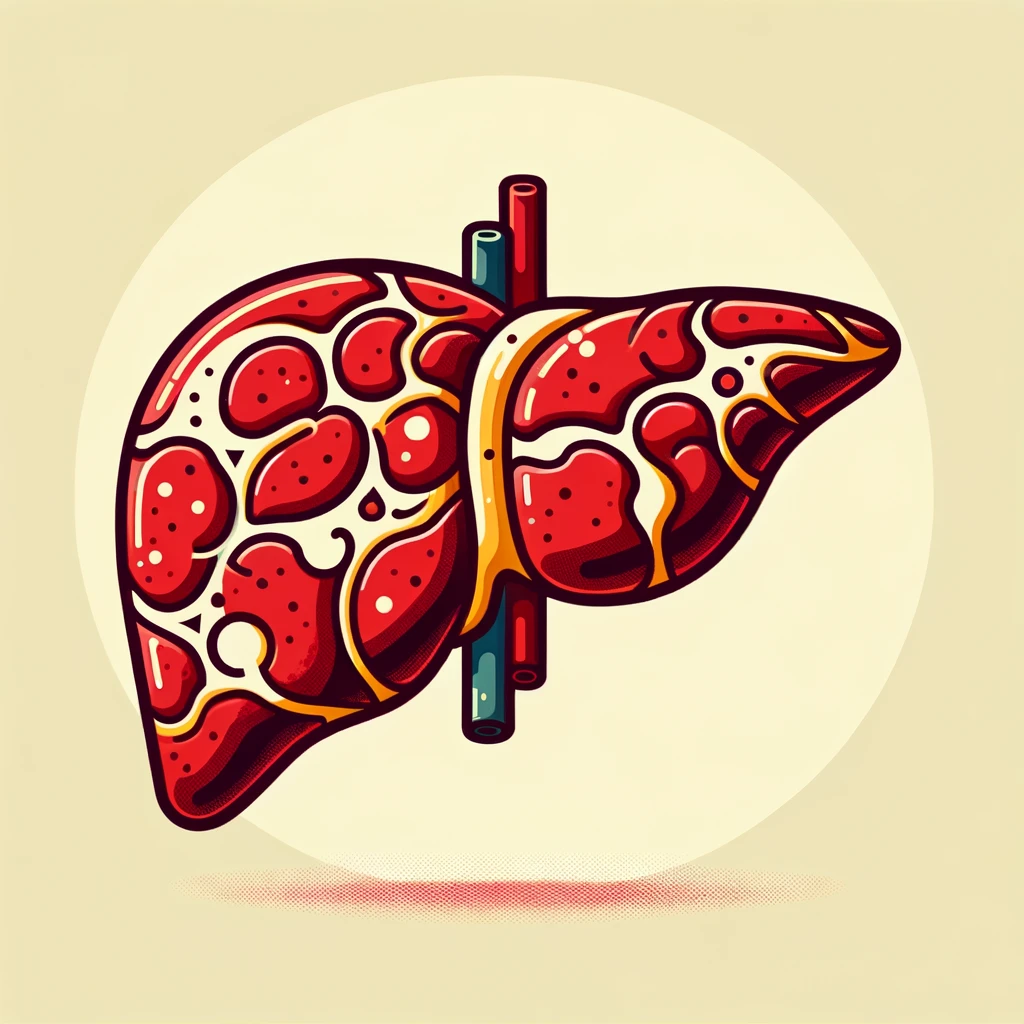
Fatty liver, or non-alcoholic fatty liver disease, is a widespread condition characterised by fat accumulation in liver cells, unrelated to alcohol consumption.
This condition is most commonly seen in middle-aged adults, but it affects people of all ages and backgrounds. It is important to address it early through modern diet and lifestyle habits.

Causes of fatty liver
The condition is often linked to metabolic syndrome, obesity, insulin resistance and other metabolic disorders.
Obesity
Obesity is one of the main causes of non-alcoholic fatty liver disease. Excess fat, especially when concentrated around the abdomen, significantly increases the risk of developing fatty liver. Free fatty acids are released into the bloodstream, where they are taken up by the liver and stored as fat, leading to fat build-up within it.
Insulin resistance
Insulin resistance plays a key role in the development of non-alcoholic fatty liver disease. When cells become resistant to insulin, the pancreas produces more insulin to compensate. This excess insulin stimulates the liver to produce more fat, while at the same time slowing the breakdown of fats, further contributing to fat accumulation in the liver.
Over time, insulin resistance promotes fat build-up in the liver and increases the risk of more serious complications.
Learn everything you need to know about insulin resistance: /insulin-resistance/
Metabolic syndrome
Metabolic syndrome, a combination of conditions including abdominal obesity, high blood pressure, dyslipidaemia and insulin resistance, significantly increases the risk of non-alcoholic fatty liver disease. Each component of metabolic syndrome contributes to fat accumulation in the liver and, together, they further worsen the condition.
Learn everything you need to know about high blood pressure: /high-blood-pressure-causes-symptoms-complications/
Sedentary lifestyle
A sedentary lifestyle is strongly linked to fatty liver. Regular exercise helps reduce the amount of fat in the liver and improves the sensitivity of cells to insulin, which is of real importance for overall health.
Conversely, lack of physical activity promotes both weight gain and insulin resistance, further encouraging fatty liver.
Poor diet
Poor eating habits, including a lot of sugar, refined carbohydrates and fast food, promote the development of fatty liver. Excessive consumption of these foods leads to higher blood sugar and fat levels and increases insulin resistance.
Conversely, a diet rich in fruit, vegetables, wholegrains and other healthy foods is associated with a lower risk and better liver health.
Symptoms of fatty liver
Non-alcoholic fatty liver disease is often symptomless in its early stages and may be detected only through blood tests or an ultrasound scan of the liver.
As the condition progresses, the following symptoms may appear:
Fatigue
Persistent tiredness and weakness are common symptoms reported in the early stages. Inflammation and scarring of the liver can impair its ability to store and release glucose, causing fluctuating energy levels and ongoing tiredness.
Discomfort or pain in the upper right part of the abdomen
Some people may feel discomfort or a dull pain in the upper right part of the abdomen, where the liver is located. This discomfort may be mild or intermittent, but it may become more noticeable as inflammation progresses.
Enlarged liver
As non-alcoholic fatty liver disease progresses, the organ may enlarge due to inflammation and fat accumulation in its cells. An enlarged liver, known as hepatomegaly, can be identified through a physical examination by a specialist.
Abnormal liver enzymes
Recent studies may show abnormal levels of liver enzymes, such as alanine aminotransferase (ALT) and aspartate aminotransferase (AST), which indicate inflammation and damage in the organ. Abnormal enzyme levels are often discovered during routine blood tests or tests for another health problem.
Jaundice (yellowing of the skin and eyes)
In rare cases, advanced non-alcoholic fatty liver disease may lead to jaundice, a condition characterised by yellowing of the skin and eyes. Jaundice occurs when the liver cannot effectively process bilirubin, a yellow pigment produced when red blood cells break down, causing it to build up in the body.
Swelling in the abdomen and legs (ascites)
Severe liver damage caused by advanced stages of the condition can lead to fluid retention in the abdomen, known as ascites. Ascites may cause swelling of the abdomen and legs, as well as an increase in abdominal girth.
Complications
Complications associated with fatty liver can be serious and may include the development of fibrosis and cirrhosis, which are advanced stages of liver disease.
Liver fibrosis
Liver fibrosis is the excessive formation of connective tissue, mainly collagen, which is seen in an increasing number of chronic liver diseases. It can lead to stiffening and enlargement of the liver and disruption of its normal function.
Liver cirrhosis
Cirrhosis is an irreversible replacement of healthy liver tissue with scar tissue. It can lead to stiffening and enlargement of the organ, as well as impairment of its function.
Portal hypertension
Blood flow through the liver may be obstructed, which can lead to portal hypertension. This may cause various complications, such as varices and ascites.
Risk of liver cancer
People with fatty liver have a higher risk of developing liver cancer, although this risk is lower than in liver disease caused by alcohol.
Diagnosis
Fatty liver is usually diagnosed through a combination of medical history, physical examination, laboratory tests, imaging (such as ultrasound or MRI) and, occasionally, a liver biopsy.
Treatment of fatty liver
Treatment options for non-alcoholic fatty liver disease focus on changes in lifestyle and the management of the main risk factors.
Weight loss
Losing weight through diet and exercise is one of the most effective ways to support liver health and reduce the fat stored in it.
Regular physical activity
Regular physical activity, such as aerobic exercise and strength training, may support liver function, insulin sensitivity and overall health.
Medicines
In some cases, prescription medicines may be used to manage underlying conditions such as diabetes, high cholesterol or high blood pressure.
Monitoring the condition
Regular monitoring of liver function and of risk factors for fatty liver is an important step in the early detection and management of the condition.
Diet for fatty liver
A sustained change in eating habits is an important factor in supporting liver health and wellbeing.
Unprocessed foods
Fruits
Eating fruits such as berries, citrus, apples and pomegranates provides important vitamins, minerals and antioxidants, which support overall health and the normal function of the liver.
Vegetables
A variety of vegetables, such as leafy greens and cruciferous vegetables, provide important nutrients and fibres, which support digestion and liver function.
Wholegrains
Wholegrains such as brown rice, quinoa and oat bran are rich in fibre and provide energy, while also supporting digestion and general health.
Lean proteins
Lean proteins such as fish, poultry and tofu are light and contain little or no fat, so they place less strain on the liver.
Fibres
Fibres are essential for the healthy functioning of the digestive system, regular bowel movements and the elimination of toxins from the body, which reduces the strain on the liver. It is therefore good to include them in your daily diet in the following forms:
- Legumes - beans, lentils and peas.
- Nuts and seeds - almonds, walnuts, chia and linseeds.
- Wholegrains: quinoa, barley, bulgur, farro and brown rice.
Health-promoting foods
Sources of healthy fats, such as olive oil, avocado and oily fish, are important for supporting the cardiovascular system.
Limiting added sugars, refined carbohydrates and processed meats
Controlling your intake of sugar, refined carbohydrates and processed meat is important for supporting healthy liver function and limiting fat build-up in it.
DiabeFor Gluco
DiabeFor Gluco is a wholly natural product with a patented extract of Pterocarpus marsupium and organic chromium. The two ingredients support the sensitivity of cells to insulin, which is of great importance in conditions such as insulin resistance, metabolic syndrome and type 2 diabetes. DiabeFor Gluco is completely free from side effects.

DetoxiFive
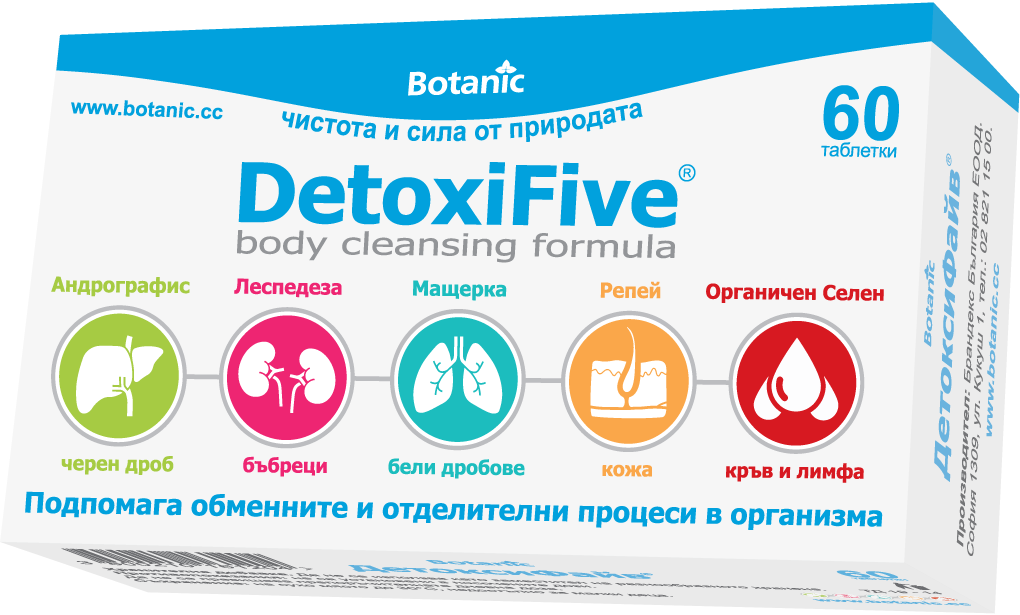
DetoxiFive is a wholly natural product for whole-body detoxification. The andrographis extract is standardised to the active compound andrographolide, which supports the body's natural detoxification function. Whole-body detoxification supports metabolic processes in the body, which are often disrupted in fatty liver.
Learn more: /products/detoxifive/
Conclusion
Fatty liver, or non-alcoholic fatty liver disease, represents fat accumulation in liver cells. The condition is often silent and potentially serious, as it carries a risk of leading to scarring of the liver and complications if it is not managed.
When fatty liver is diagnosed, treatment and preventive measures most often include changes in lifestyle, particularly supportive diet choices (more fresh fruit, vegetables and fat-free proteins, and fewer processed foods high in sugar and refined carbohydrates). Exercise also supports the body's metabolism, including limiting fat build-up in the liver and supporting its function.
If you would like to learn more about caring for your liver through natural detoxification, you can read a free book. Click HERE!
DetoxiFive - for whole-body detoxification!
DiabeFor Gluco - for blood sugar control!
Share the article:
Latest articles

Memory
There are many types of memory, from short-term and sensory memory to associative forms. Here is how we learn, store and recall information.
Amylase
Amylase is an enzyme secreted by the pancreas and the salivary glands. It begins breaking down starch in the mouth, turning complex carbohydrates…
Comments