Parasites
· 9 min read

Parasites are organisms that live on or inside another organism (the host) and feed off it. They can be found in many parts of the world, and they can be a real health problem even in developed countries.

Parasites can cause a wide range of health problems, from mild stomach and intestinal discomfort to serious and even life-threatening diseases. Some parasites can live in the body for years without causing obvious symptoms, while others can multiply quickly and cause severe infections.
Types of parasites
Parasites that affect humans are divided into several main groups:
Protozoa (single-celled parasites)
These are microscopic single-celled organisms that can multiply in the human body. The main types include:
- Giardia lamblia – causes giardiasis, which affects the small intestine
- Cryptosporidium – causes cryptosporidiosis, leading to diarrhoea
- Toxoplasma gondii – causes toxoplasmosis, especially dangerous for pregnant women
- Trichomonas vaginalis – causes trichomoniasis, a sexually transmitted infection
- Entamoeba histolytica – causes amoebic dysentery
Helminths (parasitic worms)
These are multicellular organisms that can reach significant sizes in the human body:
- Roundworms (nematodes)
- Pinworms (Enterobius vermicularis) – the most common parasitic worms in Bulgaria
- Roundworms (Ascaris lumbricoides) – large intestinal worms, reaching up to 35 cm
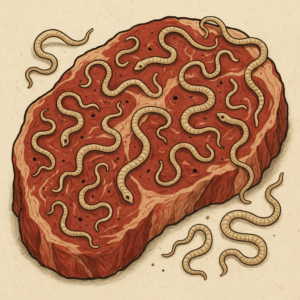
- Trichinella (Trichinella spiralis) – causes trichinosis when undercooked meat is eaten
- Flatworms
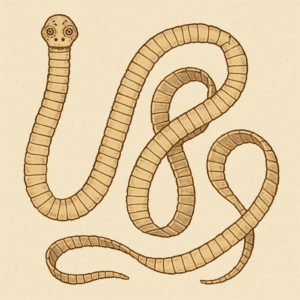
- Tapeworms (cestodes) – ribbon-like worms such as the pork tapeworm and the beef tapeworm
- Flukes (trematodes) – such as the blood fluke and the liver fluke
Ectoparasites
These are parasites that live on the skin or in the hair:
- Lice – head, body and pubic lice
- Scabies mite (Sarcoptes scabiei) – causes itching and skin rashes
- Ticks – can transmit diseases such as Lyme disease
Symptoms of parasitic infections
The symptoms of parasitic infections vary considerably depending on the type of parasite, its location in the body, the degree of infection and the immune response of the host. Many parasitic infections can pass without symptoms, especially in the early stages.
General symptoms
- Gastrointestinal symptoms: diarrhoea (sometimes with blood or mucus), constipation, stomach pain, bloating, nausea, feeling of fullness
- Weight loss and appetite changes: many parasites feed on the nutrients the body takes in
- Tiredness and weakness: due to anaemia, blood-feeding parasites or impaired absorption of nutrients
- Anal area itching: particularly characteristic of pinworms
- Skin and allergic reactions: some parasites cause allergic reactions
- Muscle and joint pain: especially with parasites that migrate through the tissues
- Sleep disturbances: sleeplessness, teeth grinding (bruxism)
- Neurological symptoms: irritability, anxiety, depression, concentration problems
Specific symptoms by type of parasite
- Pinworms: intense itching in the anal area, especially at night; in women, itching and discharge from the vulva
- Ascaris: abdominal pain, bloating, cough, in severe cases – intestinal obstruction
- Giardia: explosive, watery diarrhoea, bloating, gas, abdominal cramps
- Tapeworms: often mild, with abdominal discomfort and weight loss
- Toxoplasmosis: flu-like symptoms, swollen lymph nodes; during pregnancy – risk to the foetus
- Trichinellosis: initially – abdominal pain, diarrhoea, fever; later – muscle pain, swelling of the eyelids, rash
Risk factors
There are several factors that increase the risk of becoming infected with parasites:
- Poor hygiene: not washing hands properly, especially after using the toilet or before handling food
- Consumption of contaminated food or water: untreated water, raw or undercooked meat, unwashed fruit and vegetables
- Travel to endemic areas: visiting countries with a high frequency of parasitic infections
- Close contact with infected people or animals: especially important for ectoparasites
- Weakened immune system: HIV/AIDS, use of immunosuppressive medicines, chemotherapy
- Occupational risk: work in children's groups, healthcare facilities, with soil or with animals
- Swimming in contaminated water bodies: seas, rivers or pools with poor maintenance
Causes of parasitic infections
Parasitic infections are spread in different ways depending on the type of parasite:
Faecal-oral route
Many intestinal parasites are spread through the so-called faecal-oral mechanism. This means that the eggs or cysts of the parasite are released with the faeces of an infected person or animal and then reach another person through:
- Consumption of contaminated food or water
- Direct contact with faeces (for example when changing nappies)
- Contact with objects contaminated with faeces
- Autoinfection (repeated infection from the parasite's own eggs, for example with pinworms)
Skin contact
Some parasites can penetrate directly through the skin:
- Schistosomiasis – when wading or swimming in contaminated water
- Ancylostomiasis – larvae penetrate the skin of the feet when walking barefoot
Through vectors
Some parasites are transmitted through insect vectors:
- Malaria – through the bite of an infected Anopheles mosquito
- Leishmaniasis – through the bite of an infected sandfly
- Sleeping sickness – through the bite of a tsetse fly
Consumption of infected meat
Some parasites are transmitted by eating infected meat:
- Trichinella – in undercooked pork
- Tapeworms – in raw or insufficiently cooked beef or pork
- Toxoplasma – in raw or undercooked meat, particularly lamb and pork
Diagnosis of parasitic infections
Diagnosing parasitic infections requires a combination of medical history, physical examination and laboratory tests:
Medical history and physical examination
Your doctor will ask about your symptoms, travel abroad, contact with animals, food habits and occupational risks. The physical examination may include palpation of the abdomen, skin examination, temperature measurement and checking for swollen lymph nodes.
Laboratory tests
- Stool examination: the most commonly used method for diagnosing intestinal parasites; may require collection of samples on several days
- Blood tests: to detect antibodies against specific parasites or to establish anaemia and eosinophilia (increased number of a certain type of white blood cells)
- Scotch tape test (for pinworms): applying sticky tape to the anal area in the morning before getting up or washing, after which the tape is examined under a microscope
- Urine and sputum: some parasites may be detected in these samples
- Biopsy of tissue: taking a small tissue sample for examination under a microscope
- Imaging diagnostics: ultrasound, CT, MRI – to detect cysts or organ involvement caused by some parasites
Specialised tests
- PCR (polymerase chain reaction): a molecular-genetic method for detecting the parasite's DNA
- ELISA: an immunological test for detecting antibodies or antigens
- Serological tests: detect antibodies produced by the immune system in response to the infection
- Direct microscopy: examination of samples under a microscope to identify parasites or their eggs
Treatment of parasitic infections
Treatment of parasitic infections depends on the type of parasite and the severity of the infection. The main therapeutic approaches include:
Pharmacological treatment
Different groups of medicines are used to treat parasitic infections:
- Anthelmintic drugs (against worms):
- Mebendazole – effective against many worms, including pinworms and roundworms
- Albendazole – a broad-spectrum medicine effective against many types of worms
- Pyrantel pamoate – often used to treat pinworms and roundworms
- Praziquantel – effective against tapeworms and other flatworms
- Antiprotozoal drugs:
- Metronidazole – used to treat giardiasis, trichomoniasis and amoebiasis
- Tinidazole – an alternative to metronidazole with fewer side effects
- Nitazoxanide – effective against Cryptosporidium and Giardia
- Insecticides for ectoparasites:
- Permethrin – for treating lice and scabies
- Malathion – an alternative for resistant lice
- Ivermectin – used for some types of lice and scabies and other ectoparasites
Natural and home remedies
In addition to pharmacological treatment, some natural remedies may help in the fight against parasites and in relieving symptoms:
- Garlic – has antiparasitic properties thanks to the content of allicin
- Pumpkin seeds – a traditional remedy used against intestinal worms
- Clove – contains tannins and salicylates with antiparasitic action
- Wormwood – contains thymol, which has antiparasitic properties; DetoxiFive contains a high-quality wormwood extract
- Carrot and carrot seed oil – effective against eggs of many parasites
- Peppermint – traditionally used to expel intestinal parasites
Hygienic measures
For successful treatment of parasitic infections it is necessary to take the following measures:
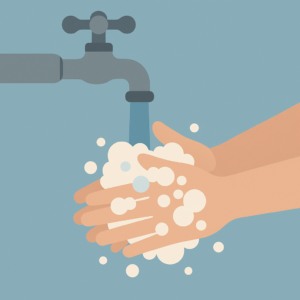
- Strict personal hygiene – frequent hand washing, especially after using the toilet and before handling food
- Daily changing of bed linen and washing of towels – especially important with pinworms
- Ironing of clothes and hot washing (above 60°C)
- Regular cleaning and disinfection of the toilet
- Keeping nails short and clean – parasite eggs can get under the nails
- Avoiding scratching the anal area – can lead to re-infection
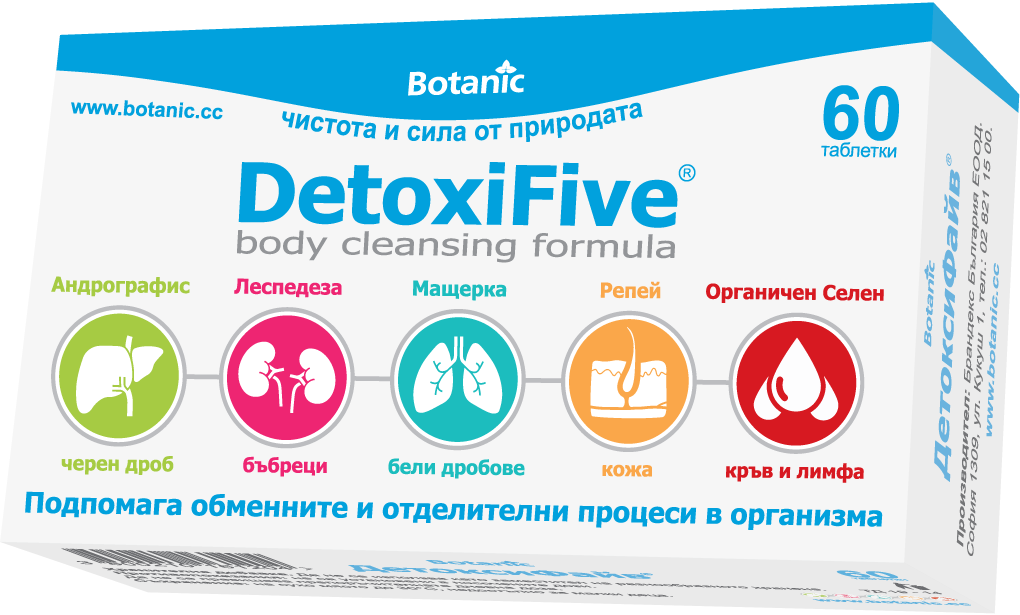
DetoxiFive
DetoxiFive contains high-quality extracts and organic celery. It supports the overall cleansing of the body, including after infections.
- Andrographis standardised extract (30% andrographolide) – a herb with strong antioxidant and immune-modulating properties, which helps to cleanse the body of toxins, including those separated from parasites
- Lespedeza standardised extract (4% rutin) – supports the cleansing of the blood and vessels, which are key to eliminating metabolic products from parasites
- Wormwood standardised extract (2-3% essential oil) – contains thymol, which has documented antiparasitic properties and helps the cleansing of the bowels
- Repeh extract – traditionally used for cleansing the blood and supporting the detoxification of the black drop
- Organic celery (L-selenomethionine) – an important micronutrient with antioxidant properties, which protects cells from damage and supports the immune system in the fight against parasites
Learn more about DetoxiFive!
With parasitic infections, the balance of the gut is often disturbed, not just the general condition of the body, but also the balance of the intestinal flora. Diarrhoea, bloating, antibiotic use and subsequent treatment can disrupt the microbiome, which is the community of microorganisms that inhabit the intestine and take part in normal digestion, protecting the intestinal barrier and supporting a healthy balance.
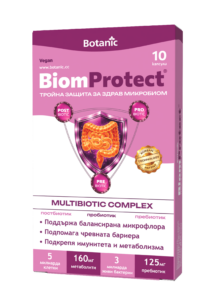
The microbiome can therefore be protected with BiomProtect – a new-generation multibiotic that combines postbiotic, probiotic and prebiotic.
The postbiotic Prolac-T™ acts directly and supports the protective function of the intestinal barrier. The probiotic LAB2PRO® AAD provides guaranteed 3 billion live bacteria with patented two-layer protection for up to 100 times higher survival in the gastrointestinal tract. The prebiotic FOS selectively nourishes the beneficial bacteria and supports the balance of the microflora.
BiomProtect – a postbiotic, probiotic and prebiotic to support the balance of the intestinal microbiome.
Learn more about BiomProtect!
Prevention
Prevention of parasitic infections includes good hygiene and precautionary measures:
Hygienic measures
- Frequent and proper hand washing – especially after contact with animals, after using the toilet and before preparing or eating food
- Careful washing of fruit and vegetables before consumption
- Consumption only of properly treated meat and fish
- Avoiding consumption of untreated water – including when swimming or swallowing water in pools
- Using repellents to protect against mosquitoes and other insect vectors
Measures when travelling
- Consumption only of bottled water in endemic areas
- Avoiding raw salads, unpeeled fruit and poorly prepared foods
- Avoiding swimming in freshwater bodies in tropical areas
- Using repellents for protection against insect vectors
- Consultation with a doctor before travelling regarding the need for prophylactic medicines
Prevention of repeated infection
- Treatment of all family members simultaneously, even those without symptoms
- Disinfection of common items and surfaces – toys, door handles, kitchen appliances
- Regular changing and ironing of bed linen at high temperature
- Avoiding scratching in the anal area and keeping nails short
- Regular veterinary check-ups and treatment of household pets to prevent infections
Conclusion
Parasitic infections are a widespread health problem across the world, including in developed countries. They can cause a wide range of symptoms, from mild gastrointestinal discomfort to serious diseases affecting different organs and systems.
Early detection and correct treatment of parasitic infections are of essential importance for preventing complications and the spread of the infection. Diagnosis usually requires a combination of clinical assessment and specific laboratory tests, while treatment usually includes antiparasitic medicines and strict hygienic measures.
Prevention remains the best approach, including good personal hygiene, safe food handling practices and precautions when travelling in endemic areas. With the right knowledge and measures, the risk of parasitic infections can be significantly reduced.
If you want to learn more about whole-body cleansing, you can get our free book on whole-body detoxification. Click HERE!
DetoxiFive - for whole-body detoxification!
Share the article:
Latest articles
Memory
There are many types of memory, from short-term and sensory memory to associative forms. Here is how we learn, store and recall information.
Amylase
Amylase is an enzyme secreted by the pancreas and the salivary glands. It begins breaking down starch in the mouth, turning complex carbohydrates…
Comments