Stroke
· 11 min read

A stroke is a medical emergency that occurs when the blood supply to part of the brain is interrupted or sharply reduced. When this happens, brain tissue does not receive oxygen and nutrients, which leads to rapid death of brain cells. A stroke requires urgent help. Every minute matters, because the sooner treatment begins, the fewer brain cells are lost. Bulgaria is among the countries with the highest stroke mortality in Europe. According to statistics, more than 30,000 Bulgarians suffer a stroke each year, and about one in three of them dies. This makes stroke one of the leading causes of death and disability in the country. Particularly worrying is that the age of people who suffer a stroke is gradually decreasing, with more and more cases recorded in people under 50. 
Types of stroke
There are three main types of stroke, each with a different cause and approach to treatment.
Ischaemic stroke
The ischaemic stroke is the most common type and accounts for around 80-85% of all cases. It occurs when a blood clot blocks a blood vessel leading to the brain. The clot forms in a narrowed vessel or is carried there from elsewhere. This type is divided into two categories: Thrombotic stroke - occurs when a blood clot forms in an artery that supplies the brain. Most often this happens in arteries damaged by atherosclerosis. Embolic stroke - occurs when a blood clot or other particle forms at a distance from the brain (usually in the heart) and is carried by the bloodstream until it blocks a narrower cerebral blood vessel.
Haemorrhagic stroke
This type occurs when a blood vessel in the brain ruptures and begins to bleed into the brain tissue. It is less common, but often more dangerous and carries a higher mortality. It can be: Intracerebral - bleeding directly into the brain tissue. Subarachnoid - bleeding into the space between the brain and the membranes covering it.
Transient ischaemic attack (TIA)
TIA, also known as a 'mini stroke', is a temporary interruption of blood flow to part of the brain. Symptoms usually last less than 24 hours, often only a few minutes, and do not cause permanent damage. However, TIA is a serious warning sign of a possible future stroke and requires urgent medical evaluation.
Causes of stroke
The causes of stroke are numerous and are often the result of a combination of different factors. Understanding these causes is key to prevention.
Age
With increasing age the risk of stroke rises significantly. After the age of 55 the risk doubles every ten years. This is due to the natural ageing of the cardiovascular system.
High blood pressure
High blood pressure is the leading risk factor for stroke. It damages the walls of blood vessels, making them more prone to rupture or clogging. People with uncontrolled high blood pressure have up to seven times higher risk of stroke.
Atherosclerosis and high cholesterol
Atherosclerosis leads to the deposition of plaques on artery walls, which narrows and stiffens the blood vessels. This reduces blood flow to the brain and increases the risk of blood clots forming. High LDL cholesterol contributes to the development of atherosclerosis.
Heart diseases
Various heart diseases significantly increase the risk of stroke:
- Atrial fibrillation - an irregular heart rhythm that can lead to blood clots forming in the heart
- Heart failure
- Coronary artery disease
- Heart valve defects
Diabetes
High blood sugar damages blood vessels and accelerates the development of atherosclerosis. People with diabetes have two to four times higher stroke risk compared with people without diabetes.  You can learn everything you need to know about diabetes!
Smoking
Smoking doubles to quadruples the risk of stroke. Nicotine and other chemicals in cigarettes damage the cardiovascular system in several ways: they raise blood pressure, reduce oxygen in the blood and make the blood more prone to clotting.
Excess weight and abdominal obesity
Excess weight, especially in combination with high blood pressure, high cholesterol and diabetes, significantly increases stroke risk. Abdominal fat is particularly risky.
Physical inactivity
Lack of physical activity leads to a number of health problems that increase stroke risk: high blood pressure, high cholesterol, excess weight and diabetes.
Alcohol consumption
Excessive alcohol intake is associated with a higher risk of all types of stroke. Heavy drinking can raise blood pressure and triglyceride levels.
Family history and genetics
If you have relatives who had a stroke, especially at a young age, your risk is higher. Some genetic conditions may predispose a person to stroke.
Sex
Men may have a higher risk of stroke at a younger age, but women have a higher overall lifetime risk and mortality from stroke, especially after menopause. Pregnancy and the use of contraceptives may also increase the risk.
Stress
Chronic stress can lead to persistently high blood pressure and may provoke unhealthy habits such as poor eating, smoking or drinking alcohol.
Signs and symptoms of stroke
Recognising the symptoms of stroke and reacting quickly are life-saving. There is a simple method for remembering them, known as FAST:
- F (Face): Ask the person to smile. Does one side of the face droop?
- A (Arms): Ask the person to raise both arms. Does one arm drift downwards?
- S (Speech): Ask the person to repeat a simple phrase. Is the speech slurred or strange?
- T (Time): If you notice any of these signs, get emergency help immediately.
Other important symptoms include:
- Sudden numbness or reduced vision in one or both eyes
- Sudden severe headache with no clear cause
- Sudden dizziness, loss of balance or coordination
- Sudden confusion or difficulty understanding speech
- Sudden weakness or numbness of the face, arm or leg, especially on one side of the body
In women, a stroke may also present with additional symptoms such as:
- Nausea or vomiting
- Hiccups
- Pain
- General malaise
 Important: If you have any suspicion about someone's condition, do not wait for the symptoms to go away or pass on their own; get emergency help immediately. Time is vital for the brain: the sooner treatment begins, the better the chances of recovery and rehabilitation.
Complications after stroke
A stroke can lead to many complications that affect various aspects of physical and mental health. The severity depends on the affected area of the brain, the size of the damage and how quickly medical help is given.
Paralysis or loss of muscle control
A stroke often causes weakness or paralysis on one side of the body. This can affect the face, arm or leg. Some people regain full control, while others are left with permanent damage.
Speech and language problems
The condition may affect the ability to speak or understand. Aphasia is a common complication in which a person has difficulty expressing or understanding words and thoughts.
Memory and thinking problems
Many people experience some form of cognitive impairment after a stroke: problems with memory, thinking, problem solving and concentration.
Emotional problems
Depression is often seen after a stroke and affects about one third of survivors. Emotional instability, anxiety and personality changes are also possible.
Pain
Pain, numbness or other unusual sensations may appear in the parts of the body affected by the stroke.
Swallowing problems
A stroke can affect control of the muscles of the mouth and throat, making swallowing difficult. This can lead to aspiration pneumonia.
Increased risk of recurrent stroke
People who have had one stroke have a significantly higher risk of another. Each subsequent one can cause additional damage.
Diagnosis
A fast and accurate diagnosis is critical for successful stroke treatment. On admission to hospital the following tests are carried out:
Physical examination
The doctor checks blood pressure, listens to the heart, examines the blood vessels in the eyes and performs a neurological examination to assess the damage.
Blood tests
Blood tests show how quickly the blood clots, the blood sugar level, whether there is an infection and other important indicators.
Computed tomography (CT)
A CT scanner uses a series of X-rays to create a detailed picture of the brain. It can show bleeding and ischaemia. CT is usually the first test performed.
Magnetic resonance imaging (MRI)
MRI uses powerful radio waves and magnets to create a detailed image of the brain. It can detect brain tissue damaged by ischaemia earlier and more precisely than CT.
Ultrasound examination of the carotid arteries
This test uses sound waves to create detailed images of the inside of the carotid arteries in the neck. It shows narrowings of the arteries (plaques) and the blood flow through them.
Cerebral angiography
During this examination a thin tube (catheter) is inserted through a small incision and guided through the main arteries to the carotid or vertebral artery. A contrast dye is then injected so that the blood vessels become visible on X-ray images.
Echocardiography
This examination uses sound waves to create detailed images of the heart, to check for sources of blood clots that may have travelled from the heart to the brain.
Treatment and prevention of stroke
Treatment of stroke depends on the type of stroke, the affected area of the brain and how much time has passed since the onset of symptoms.
Emergency treatment of ischaemic stroke
- Thrombolytic therapy: A medicine to dissolve blood clots must be given within 4.5 hours of the onset of symptoms for the best results.
- Mechanical removal of the clot: In some cases a catheter can be used to physically remove the clot from the blocked blood vessel.
Treatment of haemorrhagic stroke
Treatment focuses on controlling the bleeding and reducing the pressure in the brain. It may include:
- Emergency surgery to remove the blood and reduce pressure
- Medicines to lower blood pressure
- Medicines to prevent spasm of the blood vessels
Prevention of stroke
Most strokes can be prevented by controlling the risk factors:
Control of high blood pressure
Keeping blood pressure under control is the most important step to reduce stroke risk. If you have high blood pressure, work with your doctor to control it through lifestyle changes and medicines.
Active lifestyle
Regular exercise helps reduce high blood pressure, raises good cholesterol and improves overall cardiovascular health. Aim for 30 minutes of moderate physical activity on most days of the week.
Healthy eating
A diet rich in fruit, vegetables, wholegrains, unsaturated fats, fish, poultry and legumes helps to control risk factors. Limit your intake of fatty and processed meats, salt and sugar.
Maintaining a healthy weight
Excess weight can contribute to high blood pressure, high cholesterol and diabetes. Reducing body weight can help lower stroke risk.
Quitting smoking
If you smoke, quitting reduces your stroke risk. After a few years, the risk for a former smoker is almost the same as for someone who has never smoked.
Limiting alcohol
If you drink alcohol, do so in moderation to avoid the risk of many health problems.
Stress management
Chronic stress can contribute to high blood pressure and other risk factors. Find healthy ways to cope with stress, such as exercise, relaxation techniques or meditation. GinkgoVin GinkgoVin contains high-quality extracts from ginkgo biloba leaves and grape seeds. Ginkgo biloba has been known since ancient times for its beneficial effect on brain circulation, memory and concentration. The grape seed extract supports healthy blood vessels. The combination of the two extracts is aimed at supporting overall brain circulation. 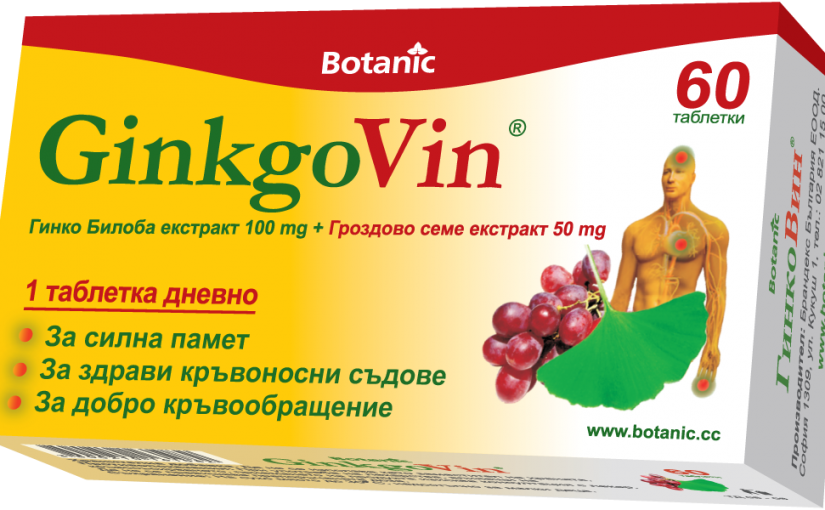 GinkgoVin - for healthy blood vessels!
Rehabilitation after stroke
Rehabilitation is a critical part of recovery after a stroke. It begins as soon as possible, often while the patient is still in hospital, and may continue for months or years.
Physiotherapy
Helps restore movement, coordination and balance. Physiotherapy works with the patient to improve muscle strength and mobility.
Occupational therapy
Focuses on improving the ability to carry out daily activities such as dressing, eating, washing and cooking.
Speech therapy
Helps with problems of speech, language and swallowing. Speech therapy can also support people with cognitive problems.
Psychological support
Emotional and psychological support is an important part of recovery. Counselling can help the patient and family cope with the changes and adapt to the new situation.
Conclusion
A stroke is a serious medical condition that calls for an immediate response and treatment. Bulgaria has one of the highest stroke mortality rates in Europe, which makes prevention exceptionally important. Most strokes can be prevented by controlling the risk factors: high blood pressure, high cholesterol, diabetes, smoking, excess weight and physical inactivity. Recognising the symptoms of stroke and reacting quickly are life-saving. Remember the FAST test. Every minute counts in a stroke, so at the first signs, seek emergency help immediately. For healthy blood vessels and good brain circulation, you can trust GinkgoVin!
Share the article:
Latest articles
Memory
There are many types of memory, from short-term and sensory memory to associative forms. Here is how we learn, store and recall information.
Amylase
Amylase is an enzyme secreted by the pancreas and the salivary glands. It begins breaking down starch in the mouth, turning complex carbohydrates…
Comments