Stye on the Eye
· 8 min read

Overview
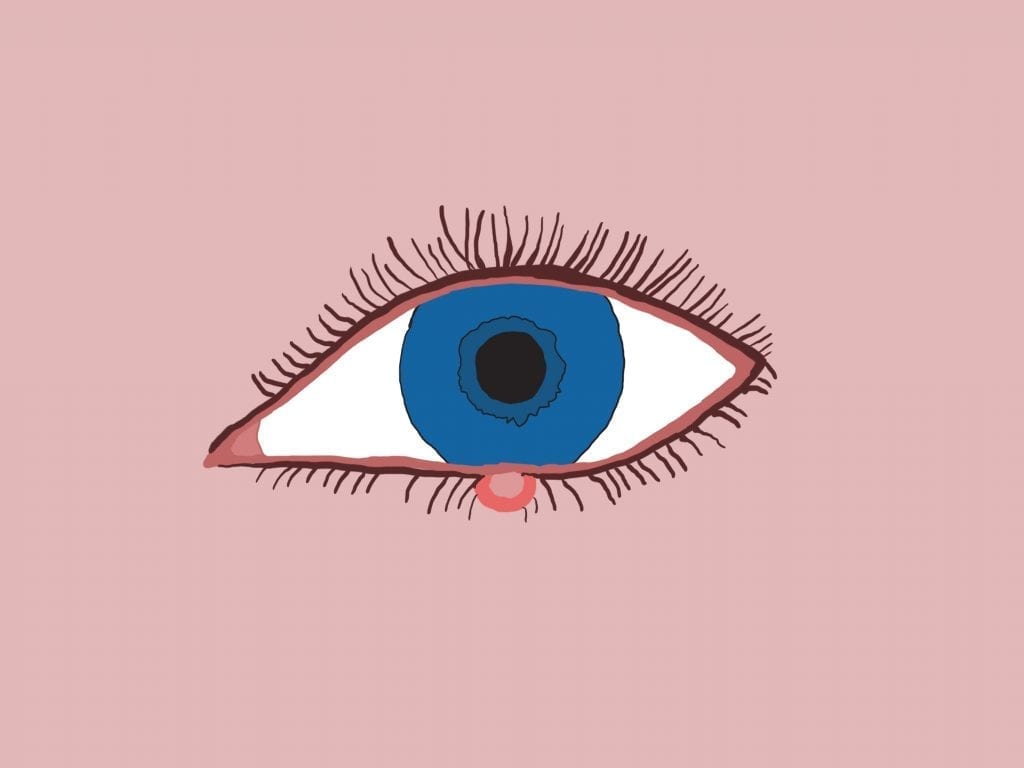
A stye, known medically as a hordeolum, is an acute pus-filled inflammation of a hair follicle or gland on the edge of the eyelid. The name comes from the resemblance between the swelling and the round shape of a barley grain. It is a common condition that is usually easy to manage, but it can be uncomfortable and should not be ignored.
The condition is not only unpleasant to look at, but it is also not always harmless. The swelling shows a clear drop in immunity and calls for careful treatment, to avoid recurrence or complications.
Causes of stye
Staphylococci, bacteria that normally live on human skin, do not take hold when immunity is strong. Their intensive multiplication is triggered by a weakened defence system in the body. This may follow a cold, a vitamin deficiency or another infection.
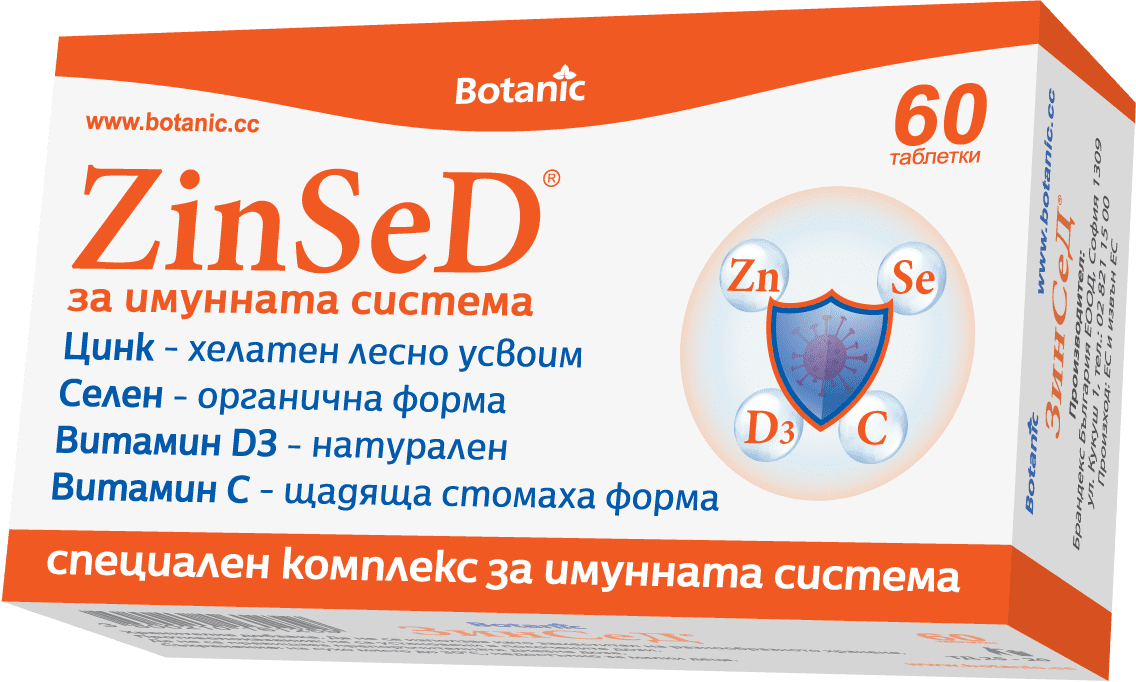
You can get zinc, vitamin D, selenium and vitamin C from ZinSeD. /products/zinsed/ elated
When staphylococci enter the structure of the eyelid, they cause inflammation and the formation of pus, which is a natural reaction to pathogenic microorganisms. This is one of the main causes of stye at any age.
An unbalanced diet, physical exhaustion and stress may make a stye more likely to form above the eyelid or along the eyelashes.
Types and stages of stye
External stye
The external stye is a bacterial infection that forms around the eyelash, causing inflammation and swelling. It is clearly visible, which makes diagnosis straightforward.
The internal stye is located deeper, inside the eyelid itself. It causes pain and tenderness around the eyelid, and it can be diagnosed with a visual examination.
The development and growth of a stye happen in several stages:
Infiltration
In the first symptoms you may notice redness, swelling, itching and tenderness in the affected area. After a few hours the eye becomes more sensitive to light.
Formation of pus
The capsule full of pus becomes visible on the surface of the eyelid. As the volume of pus grows, or through mechanical pressure, it may burst on its own.
Draining the pus
Usually the capsule opens by itself. If the pus does not drain, a surgeon may need to lance it to release it. Drainage may continue over several days.
Healing
A scab forms near the eyelash where the inflammation was located, and a new layer of skin appears beneath it. Depending on the quality of treatment and the state of the immune system, healing can take from a few days to several weeks.
Risk factors
The main cause of a stye is a drop in immunity, but other factors may also play a part. Some of the factors that carry a risk of a stye are: wearing contact lenses for long hours or over a long period; eating food with an excess of fats or large amounts of sugar; and poor eyelid and eye hygiene.
The groups most predisposed to stye are: people with weak immunity; people with endocrine disorders; people with problems in the gastrointestinal tract; people working in enclosed spaces and/or unhealthy conditions; and people with previous diseases associated with eye and eyelid problems.
ZinSeD supports the normal function of the immune system: /products/zinsed/
Enzy-Mill contains the most important digestive enzymes: /products/enzymill/
Symptoms of stye
The formation of pus in the eyelid is accompanied by increasing pain, swelling and redness. This process takes place along the line where the eyelash grows, or on the eyelid itself. The swollen area is painful and the skin temperature there rises. The swelling looks clearly different, as it is strongly inflamed and swollen.
Within two or three days of the stye developing, a small abscess forms at the top of the swelling. It contains dead cells and fluid from the inflamed hair follicle.
Internal styes have a particular pattern, in which the swelling sits under the eyelid in the meibomian (oil) gland. This makes the condition almost invisible. The symptoms are similar to those of an external stye: swelling and redness of the affected area. The risk of an internal stye is that it can develop into a chalazion, which appears as a swelling near the meibomian gland when it becomes blocked.
In the worst cases, a stye in the eyelid can be accompanied by signs of general illness, such as headache, fever, chills and swollen lymph nodes. Self-treatment in these situations is a clear contraindication, and prompt consultation with a specialist is recommended.
Complications of stye
It is important to seek treatment or consult a specialist when a stye appears, because of the risk of developing some of the following complications:
Conjunctivitis
This is an infectious disease of the lining of the eye, which causes swelling, redness (increased blood flow to the eye) and a known impairment of vision. Treatment is complex and long-lasting.
Chalazion
A chalazion is a cyst that forms in the inner part of the eyelid. It causes discomfort and requires long-term treatment.
Orbital phlegmon
This is a condition caused by attempting to squeeze a stye yourself, in which several abscesses form and later merge. Symptoms include visible swelling, heavy eyelids and pain when moving the eye.
Thrombosis of the ocular venous plexus
This condition disrupts the normal flow of blood around the eye, which leads to swelling. The eyeball may bulge, the skin around the eye turns bluish, the eyelid swells and vision deteriorates sharply.
Thrombophlebitis
This is an inflammatory process in the blood vessels, characterised by headache, a feeling of tiredness, reduced visual capacity and redness of the tissue around the eye.
Meningitis
This is a later stage of the orbital infection. Signs include a temperature above 39 °C and a severe headache.
Sepsis
This is blood poisoning caused by pus and pathogenic microorganisms. Signs of complications include intoxication of the whole body, shivering, a racing heart, a rash and breathing problems.
Diagnosis of stye
A stye can usually be diagnosed by examining the eye and describing the patient's symptoms. If a person suffers from styes often, a laboratory test may be arranged to identify or exclude conditions such as diabetes, parasites, or another disease that threatens the immune response.
Treatment of stye
A stye is easy to deal with when the immune system is in good condition, and it often clears up without special treatment. This tends to happen once the body's defences recover and the activity of the staphylococci is brought under control.
ViruFor supports the body's natural antiviral defences.

ZinSeD contains zinc, selenium, vitamin D and vitamin C, which are needed not only for the normal function of the body but also for its immune protection: /products/zinsed/
Home remedies for stye
Self-treatment of a stye is not recommended, as some of the methods carry a risk to the eye. Home remedies may include rubbing the affected area with a gold object, applying a warm compress to the affected area, or placing a used tea bag, cooled after making tea, on the affected area.
Most of these methods carry a risk of spreading the bacteria around the eye, which can lead to serious consequences.
Treatment by a specialist
A consultation with a specialist is recommended, who can prescribe a quick and safe method of treatment. The components of such therapy most often include antibacterial agents, such as local antibiotics, and medicines that relieve inflammatory processes.
Following the specialist's therapy will help you react quickly if complications arise.
Prevention of stye
To minimise the risk of a stye, you may follow some of these measures: good hygiene habits; steps to strengthen the body's defences and immunity; avoiding chilling or overheating of the body; timely treatment of serious infectious diseases; an active lifestyle; and balanced eating with the necessary vitamins and minerals.
ViruFor is a complex formula with powerful antiviral action.
ZinSeD contains a combination of vitamins and minerals needed for the normal function of the body and its immune defences. Learn more: /products/zinsed/
Conclusion
A stye, also known as a hordeolum, is an acute pus-filled inflammation in an eyelash follicle or on the edge of the eyelid. The pus-filled swelling takes the shape of a barley grain, which is where the name of the condition comes from.
Most often the infection is due to low immunity, which allows staphylococci to multiply and cause disease.
The condition has clear symptoms: it usually begins with slight swelling and redness in the affected area, which then fills with pus and may come to a head with a visible top that releases the pus.
Most of the time a stye goes away by itself once the immune system returns to normal. Sometimes a specialist may prescribe treatment including local antibiotics and anti-inflammatory medicines.
In some cases, or as a result of self-treatment, serious complications may develop. Squeezing the pus too early or incorrectly can spread the infection into the eyelid or cause other serious damage to the eye and its structure.
Prevention of stye includes maintaining a healthy immune system, which is best achieved through good hygiene habits.
ViruFor is a powerful natural antiviral formula!
ZinSeD is a combination of plant-based vitamins and minerals that support the body's normal function and its immune defences!
DetoxiFive is a powerful detoxifying formula that supports all the cleansing processes in the body!
Share the article:
Latest articles
Memory
There are many types of memory, from short-term and sensory memory to associative forms. Here is how we learn, store and recall information.
Amylase
Amylase is an enzyme secreted by the pancreas and the salivary glands. It begins breaking down starch in the mouth, turning complex carbohydrates…
Comments