The Liver
· 9 min read

What is the liver
The liver is the largest internal organ in the body. In adults it usually weighs around 1.5 kilograms and is about 15 centimetres long and 8 centimetres thick. It supports your metabolism and immune system. Without a functioning liver, the body cannot survive. The liver sits in the upper right part of the abdomen, just under the diaphragm. Its larger part lies on the right, while a smaller part extends into the left upper abdomen.
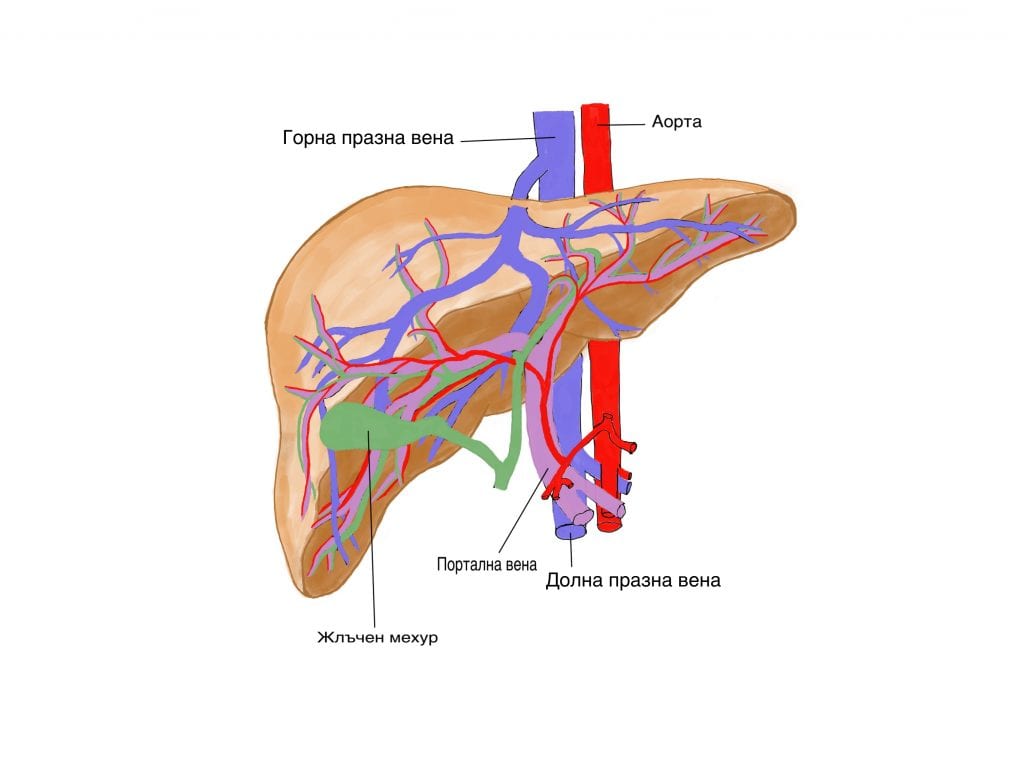
The structure of the liver
The liver is wedge-shaped, rather like a thick slice of wedge. It is tilted so that its left lobe lies above the stomach, while its right lobe sits directly over the intestines. The liver has two main lobes, and each lobe is further divided into eight segments. Each segment contains about 1,000 lobules. Each of these lobules has small bile ducts that drain into the common hepatic duct (ductus hepaticus communis). To distinguish it from the rest of the body, the liver has a significant blood supply. It is estimated that at any given time around 13% of the body's total blood is in the liver.
The function of the liver
The main functions of the liver are linked to metabolic processes, including the processing and transformation of substances, the extraction of energy, the neutralisation of toxins and the removal of them from the body via the bloodstream. The liver performs this function by receiving rich blood from the digestive organs through the portal vein. Liver cells, called hepatocytes, process and filter this blood. These cells are responsible for distributing nutrients that have been absorbed, storing them or releasing them into the body as needed. The liver also stores vitamins, as well as minerals such as iron and copper.
The liver produces around 800 to 1000 millilitres of bile every day. This bile reaches the intestines through the bile ducts, where it helps to break down fats. The remaining bile is stored in the gallbladder. The liver also removes harmful substances and breaks down the components of the blood.
The liver also plays an important role in breaking down alcohol, as well as many other external substances and medicines that enter the bloodstream.
Along with all this, the liver has important functions in the immune system's fight against infections, in producing proteins for blood clotting, in removing old and damaged red blood cells, and in storing extra glucose.
If there is no adequate antioxidant protection, every time the liver neutralises toxins, the organ may suffer damage from free radicals. When there are stones or sand in the gallbladder, or when alcohol is consumed, this can lead to a blockage of toxins in the liver.
To support your liver, you can try DetoxiFive!
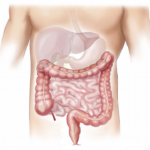
How does the liver regenerate?
The liver is the only internal organ with the ability to regenerate. This means that after an injury or surgery to remove tissue, the liver can grow back to a considerable extent. The principle of regeneration is that healthy liver cells begin to multiply. They then start to divide and the damaged tissue is gradually replaced. After removing two-thirds of the liver in a single operation, it can regrow its original size within weeks. There is data showing that the liver can fully regenerate after two partial operations to remove parts of it.
Diseases that can affect the liver
There are a number of different diseases that can affect the liver and its function. Some of them have effective treatments, while for others there are none. Some of the most common problems that affect the liver are:
Autoimmune hepatitis
This condition causes the immune system to attack and destroy healthy liver cells. It can lead to cirrhosis and other complications of the liver.
Fatty liver disease
This is a condition in which there are abnormalities in the development of the liver's blood vessels and the flow of bile is disrupted. The condition may develop further in adulthood or in childhood. If this disease is not treated, it may cause the formation of scars in the liver and its tissue, but there are treatments for this condition.
Cirrhosis
Cirrhosis is a condition in which damaged tissue replaces healthy tissue. Many diseases can progress to cirrhosis. Some of the factors that contribute to the appearance of this disease are: long-term alcohol abuse, chronic hepatitis, as well as rare genetic diseases.
Haemochromatosis
This condition causes excessive absorption of iron in the body. A large amount of iron can damage the liver.
Hepatitis A
Viral hepatitis is an infection that causes inflammation of the liver. The different types of hepatitis have different routes of transmission and differ in their severity, and are labelled with the letters A, B, C, D and E. Hepatitis A is more widespread in some countries, due to the lack of clean water and standard hygiene. Most people recover from hepatitis A without problems or long-term complications.
Hepatitis B
Hepatitis B can cause short-term or long-term infection. This type of hepatitis most often spreads through sexual contact. It can also be passed on through shared needles or by injecting substances into the body. This condition can lead to serious complications, such as liver failure or cancer. There is a vaccine that can prevent this disease.
Hepatitis C
Hepatitis C can be an acute or chronic infection. It most often spreads through contact with blood that is infected with the hepatitis C virus. The same route applies to sharing needles when injecting substances or when getting a tattoo. Less commonly, it is passed on through sex with an infected person. This condition can lead to cirrhosis, liver failure, or liver cancer.
Non-alcoholic steatohepatitis (NASH)
This condition involves the build-up of fat in the liver. An excessive amount of fat can damage the liver, causing inflammation. This disease may be caused by obesity or fibrosis. People who have high blood pressure and/or suffer from diabetes are predisposed to this condition.
Symptoms of liver problems
There are more than 100 types of liver disease, some of which initially present with symptoms, similar to a cold, but later develop into serious symptoms such as jaundice or dark urine.
Some of the most common symptoms include:
- fatigue
- loss of appetite
- nausea
- vomiting
- swelling in the legs
- discomfort in the stomach
- bleeding of the nose
- atypical bruising on the skin
- itching
- weakness
- reduced libido
Later symptoms may include:
- yellowing of the skin and eyes (jaundice)
- swelling and problems with thinking and concentration
- fluid build-up in the abdomen
- fluid build-up in the legs
- impotence
- gynaecomastia (breast tissue enlargement in men)
- enlargement of the liver (hepatomegaly)
- dark urine
- bleeding during exercise
If some of the more serious symptoms appear, it is advisable to see your doctor promptly.
How to support your liver health
These tips and changes in lifestyle may reduce the chance of liver disease and help support its function:
- get vaccinated against hepatitis A and B
- use protective measures during sex
- do not share needles or other personal hygiene items such as nail clippers, razors, etc.
- support your health with regular check-ups
- consult your doctor before taking any medicines, so they can take into account your liver health
- limit your alcohol consumption, as the liver works hard to break down alcohol
- maintain a healthy diet with plenty of fresh fruit, vegetables and fibre
- avoid heavy medication, working in a poorly ventilated environment, or prolonged exposure to toxic substances, and limit smoking and alcohol
- if you use many supplements over a long period, consider DetoxiFive. DetoxiFive is a natural detoxifier that helps the liver's function and the overall cleansing of the body from toxins. Learn more: /products/detoxifive/
Detoxification of the liver
The detoxifying activity of the liver can be supported through a balanced diet, as well as with additional intake of specific nutrients. Fruits are rich in natural antioxidants that help the body cleanse itself of toxins by supporting liver function. Dark leafy greens are rich in chlorophyll and magnesium, and nuts and seeds are good sources of healthy fats. Liver cells require plenty of green vegetables (rich in, for example, glucosinolates) and foods rich in vitamins B and C. Excess oxidative stress can also be reduced by eating citrus fruit and foods rich in lemon flavonoids. Be aware that if you take medicines to lower cholesterol or to increase oestrogen, the strength of the citrus fruits may interact with them, as may foods containing high levels of toxins. Grapefruit contains furanocoumarin, which can interfere with certain enzymes and eliminate some substances.
Andrographis is especially valued. Separating the liver from fatty deposits often begins with the intake of small amounts of bitter herbs in the diet, as well as garlic. After reaching the liver, active ingredients act antioxidantly, immunostimulating, detoxifying, temperature-lowering, antitrombotically, and lower blood sugar. They protect the liver from inflammation and reduce the harm from alcohol consumption.
DetoxiFive contains a high-quality extract of andrographis. Learn more: /products/detoxifive/
It is important to know that a long-term liver condition left untreated can lead to serious complications in the detoxification process, such as fluid retention, sleep disturbances, fatigue, and bad taste in the mouth.
Learn about liver detoxification in general.
Conclusion
The liver is the most complex internal organ. The larger part of it lies in the right part of the abdomen, while the rest sits directly above the stomach. The liver has a unique structure. It consists of thousands of small liver cells. Blood flows through the liver, rich in nutrients, and the liver cells filter this blood, so a large part of the body's blood passes through it over time.
The liver has many very important functions, including metabolism, storage of nutrients, minerals, vitamins and glucose, protein production, neutralisation of toxic substances such as alcohol and medicines, and the processing of blood. A person cannot survive without a liver. In such cases, it is good to know that the liver has the unique ability to regenerate. Within a matter of ten days, the liver can regrow two-thirds of its operative tissue. Despite this, there are many diseases that can affect it, which may appear as different types of hepatitis or cirrhosis, and which can be dangerous for a person and their life. It is therefore good to eat a balanced diet with vitamins, greens and fibre, to use protective measures during sex, to limit alcohol and toxic substances.
If you want to learn even more about how to support your liver through full detoxification, you can read our free book. Click HERE!!
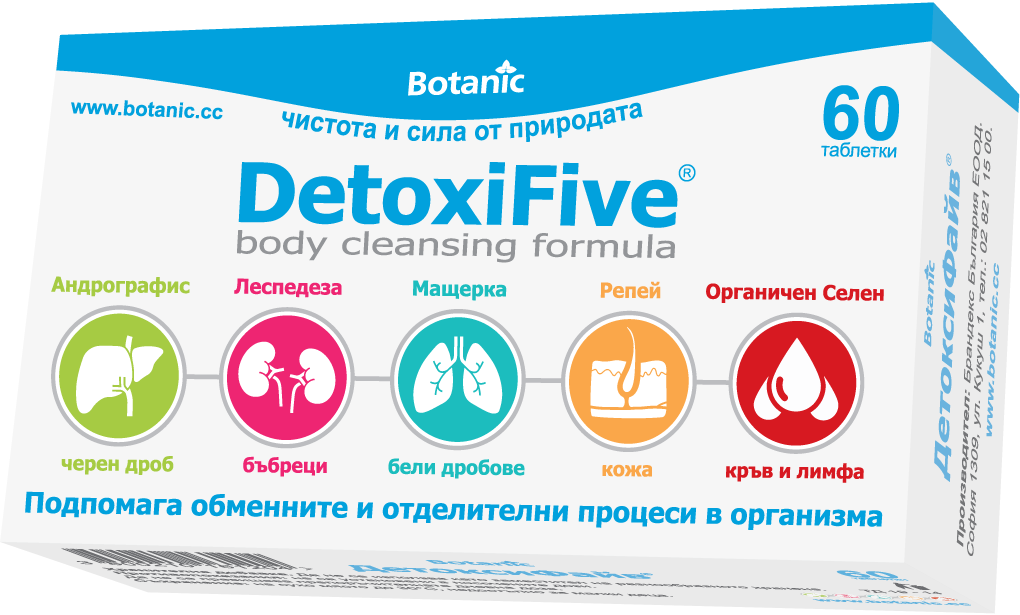
Detoxify with DetoxiFive!
Share the article:
Latest articles
Memory
There are many types of memory, from short-term and sensory memory to associative forms. Here is how we learn, store and recall information.
Amylase
Amylase is an enzyme secreted by the pancreas and the salivary glands. It begins breaking down starch in the mouth, turning complex carbohydrates…
Comments