Cirrhosis
· 8 min read
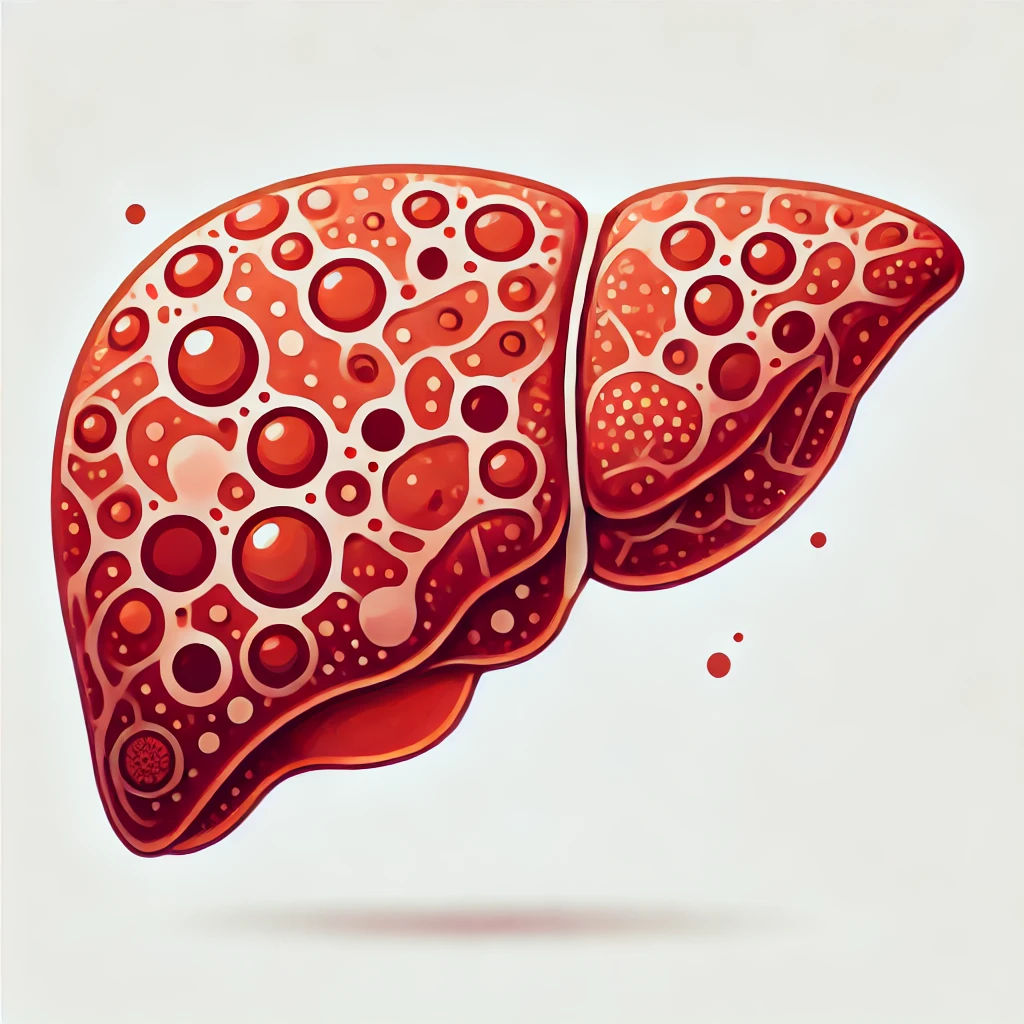

Causes of cirrhosis
Cirrhosis can be caused by various factors and diseases that lead to long-term liver damage.
Alcoholism
Long-term alcohol abuse is one of the main causes of cirrhosis. Alcohol damages liver cells, leading to inflammation and the gradual replacement of healthy liver tissue with fibrous tissue.
Chronic hepatitis B and C
Viral infections of hepatitis B and C are a major factor in the development of cirrhosis. These viruses cause chronic inflammation and damage to the liver, which leads to the formation of fibrous tissue.
Non-alcoholic steatohepatitis
Non-alcoholic steatohepatitis is a condition in which fat accumulates in the liver and causes inflammation and damage, similar to the effects of alcohol abuse. This can lead to cirrhosis, especially in cases of obesity and metabolic syndrome.
You can learn more about fatty liver!
DetoxiFive is a completely natural product that supports the function and health of your liver!
Autoimmune liver diseases
Some autoimmune diseases, such as autoimmune hepatitis, primary biliary cholangitis and primary sclerosing cholangitis, can cause inflammation and damage, leading to cirrhosis.
Symptoms of cirrhosis
Cirrhosis may be symptomless in its early stages, but as the disease progresses, various symptoms may appear.
Fatigue and weakness
People with cirrhosis often feel constant fatigue and weakness. These symptoms are due to impaired liver function and the reduced ability of the liver to detoxify the body. As a result, the body does not effectively process toxins and waste products, leading to general malaise and the slowing of other vital processes. Impaired absorption of vitamins and minerals, important for energy metabolism, is also significant.
Loss of appetite and weight loss
Loss of appetite and unexplained weight loss are common symptoms of cirrhosis. They are associated with impaired digestion and absorption of nutrients, which is a result of the liver's compromised function. As the liver plays a key role in the metabolism of proteins, carbohydrates and fats, its damage leads to insufficient nutrient utilisation. This can also cause nausea and a feeling of fullness after consuming small amounts of food, which further contributes to weight loss.
Jaundice (yellowing of the skin and eyes)
Jaundice occurs due to the accumulation of bilirubin in the blood, which is the result of the impaired ability of the liver to process and eliminate this pigment. Bilirubin is a product of the breakdown of haemoglobin from old red blood cells. Under normal conditions, the liver converts bilirubin into a form that can be excreted by the body through the bile. In cirrhosis, this function is impaired, leading to its accumulation in the blood and yellowing of the skin and eyes.

Swelling in the abdomen and legs (ascites)
Cirrhosis can lead to fluid retention in the abdomen (ascites) and the legs (peripheral oedema). This is due to increased pressure in the portal vein (portal hypertension) and reduced production of albumin by the liver. Albumin is a protein that helps maintain the oncotic pressure in the blood, which prevents fluid from leaking out of the blood vessels. If there is insufficient albumin and increased pressure in the portal system, fluid accumulates in the abdominal cavity and tissues.
Itchy skin
Itchy skin is a frequently occurring symptom of cirrhosis, associated with the accumulation of bile salts in the skin. Bile salts irritate the skin receptors, which causes intensive itching. It can be particularly unpleasant and disrupt sleep and daily activities.
Stages of cirrhosis
Cirrhosis develops gradually and progresses through different stages, which determine the severity of the disease and the presence of complications.
Early stage
In the early stages, cirrhosis is often symptomless and may be discovered only through blood tests showing slightly elevated liver enzymes. At this stage the liver still functions relatively normally, despite the presence of fibrous tissue.
Intermediate stage
As the disease progresses, symptoms such as fatigue, weakness, loss of appetite and mild jaundice begin to appear. The liver's functions are gradually reduced, which leads to an increase in the severity of the symptoms.
Advanced stage
In advanced stages, cirrhosis leads to serious complications such as ascites, jaundice, portal hypertension and hepatic encephalopathy. At this stage the liver function is significantly impaired and patients urgently require medical monitoring and treatment.
Terminal stage
In the terminal stage the liver function is critically impaired and patients may develop liver failure. At this stage the only effective treatment may be a liver transplant.
Complications of cirrhosis
Cirrhosis can lead to a number of serious complications that require careful medical monitoring and treatment.
Portal hypertension
Increased pressure in the portal vein may cause the development of varices (dilated veins) in the oesophagus and stomach, which can lead to life-threatening haemorrhages. These haemorrhages may be extremely dangerous and require urgent medical intervention. Portal hypertension may also cause fluid retention in the abdomen (ascites) and an enlarged spleen (splenomegaly).
Hepatic encephalopathy
The accumulation of toxins in the blood, which the liver cannot eliminate, may lead to disturbances in brain function. The symptoms of hepatic encephalopathy include confusion, changes in mood, memory loss and concentration problems, uncoordinated movements and, in severe cases, coma. Treatment usually includes reducing toxins through dietary changes and medicines.
Hepatic neuropathy
Cirrhosis may lead to neurological disorders, including neuropathy (damage to the nerves) and myopathy (muscle weakness), due to the accumulation of toxins in the body. These conditions may manifest with numbness, tingling, muscle weakness and difficulties in movement, which significantly affect the patient's quality of life.
Liver cancer
Patients with cirrhosis have an increased risk of developing liver cancer (cancer of the liver). This type often develops on the background of chronic inflammation and regeneration of liver tissue. Because of the high risk, regular monitoring through ultrasound and blood tests is of significant value for the early detection and treatment of liver cancer.
These complications underline the seriousness of cirrhosis and the need for timely diagnosis and active treatment, in order to prevent more severe consequences and to improve the quality of life of patients.
Diagnosis
Cirrhosis is diagnosed through a comprehensive approach, including:
Medical history
The doctor will ask about symptoms, lifestyle, alcohol consumption and family history of liver diseases.
Physical examination
The doctor will look for signs such as enlargement of the liver, jaundice, ascites and spleen enlargement.
Blood tests
Tests include liver enzymes (ALT, AST), albumin, bilirubin, prothrombin time and a full blood count.
Imaging tests
Ultrasound, computed tomography and magnetic resonance imaging help to visualise the liver structure and assess the degree of damage.
Liver biopsy
Where necessary, a small sample of liver tissue is taken for microscopic examination, to confirm the diagnosis and assess the degree of fibrosis.
These methods help doctors assess the extent of liver damage and suggest appropriate treatment.
Treatment of cirrhosis
Treatment of cirrhosis focuses on managing the causes of the disease, relieving symptoms and preventing complications.
Changes in lifestyle
Abstaining from alcohol is of critical importance for patients with alcoholic cirrhosis. A healthy diet, rich in fruit, vegetables and proteins without fats, may support liver function.
Medicinal therapy
Medicines may be prescribed to manage underlying diseases such as hepatitis, to control symptoms such as ascites and to prevent complications such as varicose veins.
Surgical treatment
In cases of severe complications or advanced cirrhosis, surgical treatment may be considered, including liver transplantation.
Prevention
Prevention of cirrhosis includes changes in lifestyle and regular medical check-ups.
Limiting alcohol
Limiting or completely avoiding alcohol is a key measure for preventing cirrhosis. For those who already have liver disease, abstaining from alcohol is of critical importance for preventing further damage.
Healthy diet
A healthy diet, rich in fruit such as apples and citrus fruits, leafy greens such as spinach and broccoli, wholegrains such as oats and brown rice, and lean proteins such as poultry and fish, may support liver health and help prevent the accumulation of fat in it. Avoid consumption of processed foods, sugary drinks and added sugars, which may increase the risk of liver diseases.
Regular medical check-ups
Regular check-ups and blood tests may help with the early detection of liver diseases and timely treatment.
DetoxiFive
DetoxiFive is a completely natural product for whole-body detoxification, which supports liver function. It contains five powerful natural ingredients that support the body's cleansing processes, including the liver, kidneys, lymph and intestines. DetoxiFive also contributes to the protection of cells against oxidative stress and to the normal function of the immune system.
The active ingredients, such as standardised extract of artichoke, stimulate bile flow and accelerate the elimination of toxins, which is of significant value for the health of the liver.
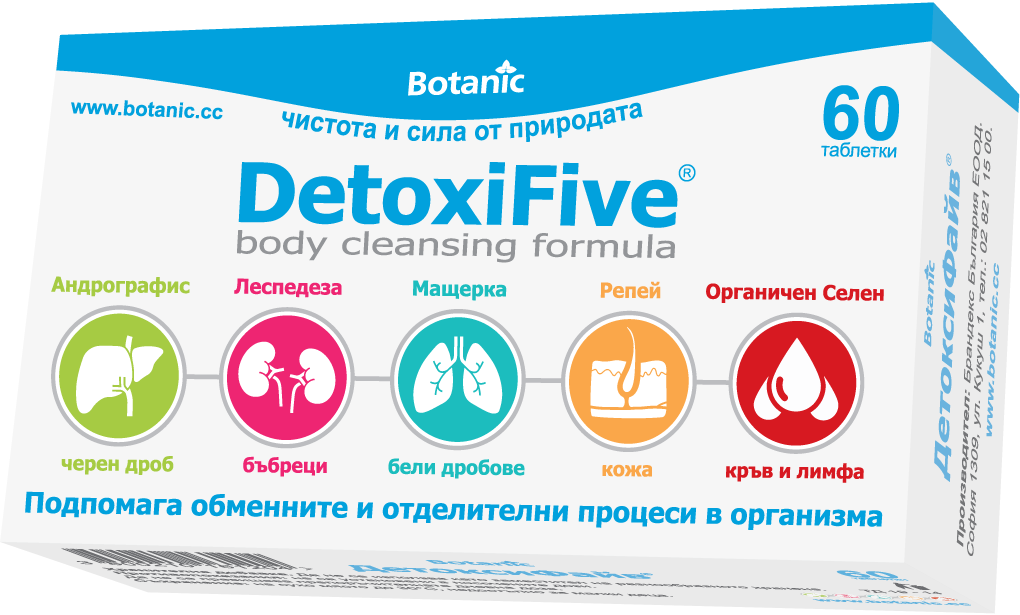
Learn more about DetoxiFive!
Conclusion
Cirrhosis of the liver is a serious and potentially life-threatening disease that requires careful management and treatment. Early diagnosis and treatment of the underlying causes, as well as changes in lifestyle, may help slow the progression of the disease and improve the quality of life of patients.
If you want to learn more about how to look after your liver through whole-body detoxification, you can read our free book. Click HERE!
DetoxiFive – for whole-body detoxification!
Share the article:
Latest articles
Memory
There are many types of memory, from short-term and sensory memory to associative forms. Here is how we learn, store and recall information.
Amylase
Amylase is an enzyme secreted by the pancreas and the salivary glands. It begins breaking down starch in the mouth, turning complex carbohydrates…
Comments