Diuretics
· 6 min read

Diuretics are substances that stimulate increased urine production. They are often called 'water pills' or 'dehydrating agents'. They reduce the amount of sodium and water that the kidneys reabsorb back into the blood. This increases urine volume and helps the body remove excess retained fluid.
Their ability to influence the balance of substances in the body makes them essential in treating various conditions, from hypertension to oedema.
Mechanisms of Action
Diuretics are pharmacological compounds designed to increase urine production, mainly through their effect on the kidneys. They act on the normal reabsorption processes in the tubules, which leads to increased excretion of water and electrolytes through urination. Different types of diuretics have different mechanisms of action to achieve this effect.
Types of Diuretics
Thiazide Diuretics
Thiazides are among the most commonly prescribed classes of diuretics. They work by blocking the reabsorption of sodium and chloride in the distal convoluted tubule of the kidneys. This change in sodium transport leads to the excretion of water. Thiazides are often used to treat hypertension, as they help reduce the volume of blood, the pressure it exerts on the vessels, and consequently lower blood pressure.
Loop Diuretics
Loop diuretics act quickly and powerfully. They may be prescribed for severe oedema and heart failure. Their effects on potassium, calcium and magnesium levels may, in this way, disturb the electrolyte balance in the body.
Potassium-Sparing Diuretics
Potassium-sparing diuretics are the gentlest diuretics. They are extremely important for the body, because they preserve the amount of the mineral. These diuretics do not allow too much of the mineral potassium to be lost during diuresis itself. They affect the mechanism of sodium and potassium exchange.
Potassium plays a key role in every heartbeat, which is why it is also known as the mineral of the heart. Hundreds of thousands of times a day it helps the heart pump blood through the body. It also helps muscles move, nerves work and kidneys filter the blood.
The Role of Potassium in the Body
Potassium plays a decisive role in maintaining fluid balance, regulating heart rhythm and the proper functioning of muscles and nerves. It is therefore of essential importance for the health of the cardiovascular system. This electrolyte also contributes to normal muscle function, and a diet adequate in potassium may help maintain normal blood pressure.
In addition, potassium is beneficial for bone health, as it helps reduce calcium loss from the body. It also supports the elimination of waste products from the body. It takes part in insulin secretion, in carbohydrate and protein metabolism, and in the acid-base balance.
Potassium levels, known as serum potassium, must be carefully balanced to ensure the proper functioning of the heart, muscles and kidneys. The normal level is typically between 3.5 and 5 millimoles per litre.
It is important to maintain a balance between potassium and sodium intake, with the ideal ratio being three to one. Excessive sodium consumption can lead to fluid retention and increased blood pressure.
An imbalance of potassium can lead to more or less serious disorders. That is why it is extremely important to keep potassium levels in the body under control. For example, in a hospital setting, where urgent treatment is needed for very high potassium levels, a patient may be given a strong diuretic in one drip and potassium in a second drip.
Learn everything you need to know about potassium: /potassium-everything-you-need-to-know/
Not by chance, potassium-sparing diuretics are considered among the best diuretics for the body. They succeed in removing excess water without disrupting electrolyte balance and without putting strain on cardiac function.
Goldenrod is a powerful potassium-sparing diuretic, which preserves mineral balance in the body and does not disturb potassium levels. CystiRen contains a highly concentrated extract of goldenrod: /products/cystiren/
Clinical Uses
Diuretics are used for different health conditions defined by technical mechanisms and desired results. Some of the most common applications are:
Management of Hypertension
When there is increased fluid retention in the body, the most effective way to reduce it is to remove the excess water. In such a situation a diuretic may be prescribed. It removes the excess fluid from the blood vessels and so reduces the pressure that fluid exerts on them.
Thiazide diuretics are often prescribed as a first line of treatment for hypertension. By reducing fluid volume and vascular pressure, they help bring blood pressure levels back towards normal.
Learn everything you need about blood pressure: /high-blood-pressure-causes-symptoms-complications/
Congestive Heart Failure
Like loop diuretics, thiazide diuretics are of essential importance in managing congestive heart failure, a condition in which fluid builds up in the lungs and extremities. Diuretics help drain the excess fluid, reducing the workload on the heart.
Oedema
Diuretics are of essential importance for managing oedema, where excess fluid accumulates in the tissues. Loop diuretics are especially effective for the rapid removal of fluid in cases of severe oedema.
Diosmin is also one of the well-studied agents for reducing oedema, as it helps to strengthen the walls of the capillaries.
Kidney Dysfunction
Diuretics, particularly loop diuretics, are used to manage retained fluid in patients with impaired kidney function. By promoting the excretion of urine, they help relieve the burden on the affected kidneys.
Contraindications and Side Effects
Although diuretics offer valuable therapeutic benefits, their use requires careful attention because of potential side effects. Some key factors to be aware of include:
Electrolyte Imbalance
Using diuretics may disturb the balance of electrolytes, including sodium, potassium and magnesium. This can lead to complications such as arrhythmias and muscle cramps. Electrolyte balance is of great importance for nerve impulses.
Goldenrod is free from this side effect: /products/cystiren/
Hypokalaemia
Thiazide and loop diuretics, in particular, may cause a deficit of potassium, which can lead to muscle weakness and irregular heart rhythms.
Goldenrod is free from this side effect: /products/cystiren/
Dehydration
Excessive use of diuretics may lead to dehydration, which affects kidney function, heart rhythm and overall health.
Drug Interactions
Diuretics may interact with other medicines, reducing their effectiveness or leading to unwanted reactions.
Natural Diuretics
In addition to pharmaceutical diuretics, nature offers a range of natural alternatives that may effectively support increased urine production without the side effects. These natural diuretics are found in various foods and plants and may be useful for those who seek a natural approach to managing fluid retention. Some of these natural diuretic foods include spinach, cucumbers, artichoke, kiwi, citrus fruits, raspberries, pineapple, parsley, ginger and green tea. These foods are rich in compounds that stimulate urination and in this way help support the body's fluid balance.
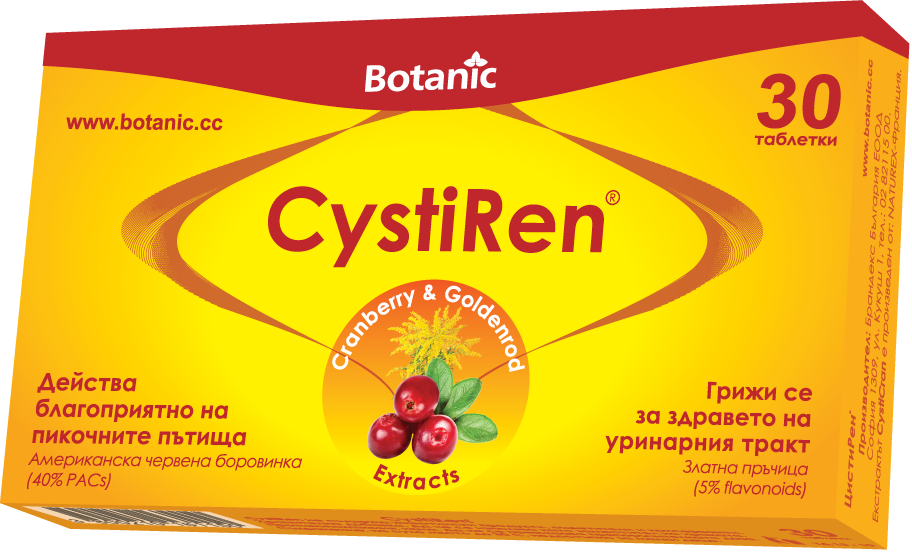
CystiRen contains a highly concentrated extract of goldenrod: /products/cystiren/
Goldenrod
Goldenrod works, on the one hand, by helping to preserve potassium levels, and on the other by supporting the excretion of sodium and calcium, which is relevant to urinary tract health. Goldenrod also has anti-inflammatory and immune-supporting properties, which contribute to the body's general strength and support faster recovery.
Conclusion
Diuretics are extremely valuable tools in medicine, helping to manage conditions related to fluid retention and hypertension. Their ability to change the water and electrolyte balance plays a decisive role in health. Nevertheless, because of the possibility of disturbing electrolyte balance, dehydration and other side effects, diuretic use requires careful consideration, medical supervision and personalised dosing.
CystiRen - for healthy urinary tracts!
Share the article:
Latest articles
Memory
There are many types of memory, from short-term and sensory memory to associative forms. Here is how we learn, store and recall information.
Amylase
Amylase is an enzyme secreted by the pancreas and the salivary glands. It begins breaking down starch in the mouth, turning complex carbohydrates…
Comments