Potassium: Everything You Need to Know
· 13 min read

Potassium
Potassium is one of the seven essential macrominerals in the human body and the third most abundant mineral in it. It is classed as an electrolyte because it reacts with water. When dissolved in water, it produces positively charged ions. This property helps with the conduction of electrical signals, which is important for many processes in the body. Potassium supports processes such as maintaining fluid balance, nerve signalling, muscle contraction and the control of the heart's electrical activity.
About 98% of the potassium in the body is found inside cells: around 80% in muscle cells, while the remaining 20% is in bone cells, the liver and red blood cells.
The human body needs at least 100 milligrams of potassium a day to carry out essential processes. A good intake of potassium has been associated with a 20% lower risk of death. Adequate intake is also linked to a lower risk of stroke, helps balance blood pressure, supports muscle mass and bone density, and may reduce the formation of kidney stones. A diet rich in potassium is linked to many benefits.

The role of potassium in the body
The body is made up of about 60% water, and 40% of that water is held inside cells in the form of intracellular fluid. The remaining part of the water is found outside the cells, in tissues such as blood and lymph, and between the cells. This is extracellular fluid. The balance between these fluids is influenced by the concentration of electrolytes, mainly potassium and sodium. Potassium is the main electrolyte inside cells, while sodium is the main electrolyte outside them.
The amount of electrolytes directly determines the amount of fluid in the body. In normal conditions, the balance of electrolytes inside and outside the cell is the same, or close to it. When this balance is disturbed, water moves towards the area with more electrolytes, in order to restore the electrolyte balance. This can cause cells to swell or shrink when water enters or leaves them. That is why it is important to keep electrolytes, especially potassium, in balance. Maintaining a good balance of fluids is essential for optimal health.
Important for the nervous system
The nervous system transmits messages from the brain to the body through impulses. This regulates muscle contractions, heartbeat, reflexes and many other body functions. Potassium ions move across cell membranes, which changes the voltage in the cell and activates nerve impulses. Unfortunately, a decrease in potassium levels can alter the ability of the body to generate nerve impulses.

Potassium helps regulate muscle and heart contractions
The nervous system controls muscle contractions. For this reason, abnormal potassium levels in the blood can affect the transmission of signals and the contraction of muscles. Both high and low levels of potassium in the blood can change the voltage of nerves. This is important for muscles, and for the heart and its regular rhythm. When potassium levels are very high, the heart may slow and relax. This can lead to an irregular pulse. At the same time, low levels can cause the same effect, so an irregular pulse can occur in either case. When the heart does not beat properly, it cannot effectively send blood to the brain, organs and muscles. In some cases, the cardiac rhythm or irregular pulse can become fatal and lead to death.
Benefits of the recommended amount of potassium in the body
Potassium has clearly shown benefits for the body. As an electrolyte, it counteracts the effects of sodium and helps maintain a steady blood pressure. Together, these effects contribute to the balance between acids and bases in the body.
Blood pressure and cardiovascular health
High sodium levels are constantly linked to high blood pressure and cardiovascular disease. Increasing potassium intake has a positive effect, because it counteracts sodium. Maintaining low sodium levels is important for lowering blood pressure, but potassium's counteracting effect is equally important. In one study group consuming 4,069 mg of potassium a day, the risk of death from ischaemic heart disease was 49% lower compared with those consuming around 1,000 mg a day. A combined analysis of 33 studies showed that people with high blood pressure were able to lower it by about 3 units when they increased their potassium intake.
May help reduce the risk of stroke
A stroke is the second leading cause of death in Bulgaria. Several studies show that a high potassium intake may help reduce the risk of stroke. An analysis of 33 studies involving 128,644 participants showed that a higher potassium intake was associated with a risk of stroke about 20% lower. Overall, potassium-rich foods, which are good sources of valuable minerals, are linked to a lower risk of stroke, as well as of heart and blood vessel disease.
Supporting bones and muscles
Potassium-rich foods provide an alkaline environment in the body, which counters the state of acidosis. Metabolic acidosis is a condition caused by diet, full of acidifying foods such as meat, dairy products and processed grain foods. Acidosis as a whole is a common result of the traditional Western diet with many acidifying foods.
Acidosis causes nitrogen loss, loss of bone density and muscle wasting. A diet rich in potassium can help. This is also helpful for preserving muscle mass in older adults, as well as in people with diabetic ketoacidosis. Balanced eating, which includes supplementing and balancing all macronutrients and micronutrients, can even avoid this condition altogether.
One study found that 5,266 mg of potassium a day maintains on average 1.6 kilograms of muscle tissue, with those with 50% higher potassium intake having more muscle tissue. Some studies show a similar increase in bone density with high potassium intake.
Potassium helps to support bone health
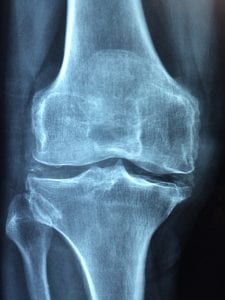
Osteoporosis is a condition characterised by reduced bone density. It is often associated with low levels of calcium, an important mineral for bone health. Studies indicate that potassium may support bone health by reducing the loss of calcium through the urine. A study of 62 women (who are more predisposed to osteoporosis than men) aged between 45 and 55 showed that those who consumed the most potassium had the greatest bone density.
Potassium may help reduce the risk of kidney stones
You can find out more about kidney stones here: /kidneys/ . Calcium is a common mineral in kidney stones, while potassium citrate reduces the level of calcium in the urine. Many fruits and vegetables contain potassium citrate, so it is easy to include them in your diet. A study conducted over a four-year period with 45,619 women showed that potassium intake reduces the risk of kidney stone formation by 51%. Similar data from a two-year study among 91,731 women indicated a 35% reduction in risk.
May help reduce water retention
Water retention occurs when excess fluid accumulates in the body. Potassium has a long tradition of being used to help reduce water retention. Studies indicate that this may be due to its ability to stimulate urine production and reduce the amount of sodium.
Recommended doses
The recommended intake of potassium is 4,700 milligrams (mg) a day for adults. Most adults do not reach this dose. The US National Health and Nutrition Examination Survey (NHANES) reports that fewer than 2% of adults in the USA meet the daily requirement of 4,700 mg. On average, women consume less potassium than men. The World Health Organization (WHO) recommends an intake even lower than this, namely 3,510 mg a day. Despite these recommendations, studies show that most of the global population does not reach even these doses.
The best option is to obtain potassium from food, although some countries have limits on the sale of potassium-containing dietary supplements. This is because a dose above 99 mg may cause irritation of the stomach, as well as lead to arrhythmia and other side effects. This happens exceptionally rarely. In extreme cases of deficiency, potassium is prescribed in high amounts.
Tests for potassium levels in the body
The only way to determine potassium levels in the body is through a blood test. The blood test shows exactly how much potassium is in the blood. Blood is taken with a small needle and placed in a test tube. Levels may be expressed as potassium, serum potassium or K+, and healthy levels vary between 3.5 and 5 millimoles per litre (mmol/L). It is good to consult a doctor about levels below and above these values.

Foods high in potassium
Potassium is found in many unprocessed foods. Some of the best sources of potassium are fresh leafy greens, avocado, tomatoes, potatoes and beans. Processing significantly reduces the amount of potassium in food. Foods that are considered low in potassium often also have high sodium content. As sodium consumption increases, potassium intake is necessary to remove the effect of sodium on blood pressure. A good way to achieve this is by consuming fresh fruits and vegetables, rich in minerals, at every meal.
This is a table showing the potassium content, based on one measuring cup, of the foods richest in potassium:
| Food (measuring cup) | Amount of potassium in milligrams (mg) |
| Cooked beet greens without salt | 1,309 |
| Canned white beans | 1,189 |
| Cooked soya beans without salt | 970 |
| Boiled white beans without salt | 969 |
| Baked or boiled potatoes | 950 |
| Sliced avocado | 708 |
| Cooked or boiled mushrooms without salt | 555 |
| Banana | 537 |
| Red, ripe, raw tomatoes | 427 |
| Raw cantaloupe | 417 |
Other foods rich in potassium include grapefruit, apricots, oranges, raisins, potatoes, Brussels sprouts, asparagus, spinach, nuts, avocado, peas and many more. There are many more potassium-containing foods that are not mentioned here, but the general rule is to eat plenty of fresh fruits and vegetables and to avoid processed foods.
Foods low in potassium
Processing food often leads to a significant loss of potassium. Foods considered low in potassium contain under 100 mg when prepared. Typical low-potassium foods include grapes, berries, cucumbers, bread, rice and Italian pasta.
Potassium deficiency
Potassium deficiency is a serious health problem that can last for a long time. The most common cause is the consequence of a significant loss of fluids, which can occur after prolonged vomiting, chronic diarrhoea or other situations in which fluids are lost.
Deficiency of the element can lead to a whole set of symptoms, known as hypokalaemia. Normal levels are considered to be between 3.5 and 5 millimoles per litre (mmol/L). Hypokalaemia is considered to be below 3.5 units, which manifests in mild symptoms including tiredness, weakness and muscle cramps throughout the body, and cramping. More serious consequences begin below 2.5 (mmol/L), when symptoms become serious. These include: extreme muscle pain and/or paralysis; breathing problems; constipation in the intestines; bloating, dizziness and pain in the hands and feet; muscle spasms.
Potassium deficiency can be diagnosed through a blood test and can be treated by changing the diet, as well as with supplements, although dietary sources are the most recommended (all depending on the seriousness of the case). It is also advisable, when levels are a problem, to take regular check-ups and blood tests until the normal values return.
Risks of exceeding the recommended doses
Taking too much potassium also carries negative effects. Even so, healthy kidneys with normal functioning can effectively remove excess potassium through urine. Principally, this process is gentle and harmless for the body. The most common problems arise with kidney disorders, but they can also be observed with the use of dietary supplements containing potassium, dehydration, the effect of medicines (especially those associated with the heart), and rare diseases.
Hyperkalaemia
Excess potassium is mainly a problem in people with kidneys that do not function normally. The levels, in this case, can lead to hyperkalaemia, because the kidneys do not manage to remove sufficient potassium from the body. Instead, it accumulates in the blood. This can be dangerous when the condition worsens quickly. Levels between 5.1 and 6 millimoles per litre are considered high and require monitoring and correction. Levels above 6 are considered dangerous. Most often, hyperkalaemia passes without symptoms or with minimal symptoms, but when symptoms appear, they are similar to those of hypokalaemia. These may include pressure and pain in the chest and arms, pain in the stomach and intestines, weakness, paralysis, and numbness. Severe or sudden hyperkalaemia can cause heart palpitations, dizziness and chest pain. High levels of potassium can disrupt the work of the heart muscles. At this stage, hyperkalaemia can become a life-threatening condition that could cause a heart attack and requires urgent medical help.

Reducing potassium through medication
Medicines that reduce potassium levels work on the principle of linking to the elements and preventing them from returning to the bloodstream. The medicine is a powder that is mixed with water and drunk. Consultation with a doctor before taking this medication is essential.
Reducing potassium through diet
Hyperkalaemia is treated by reducing potassium intake. Potassium and sodium are part of a constant balance in the body. Maintaining this balance is exceptionally important. If you have suspicions of hyperkalaemia, it is good to confirm the diagnosis through a blood test and then take measures to limit intake.
Examples of measures:
- Avoiding foods rich in potassium, as well as the additives that contain it
- Avoiding drinks rich in potassium (for example orange juice or tomato juice)
- Avoiding salt substitutes or salt replacements
It is good to read the labels of packaged foods, as well as to ensure that reducing one food does not get compensated by another that is also rich in potassium. Hyperkalaemia can have serious consequences, such as cardiac arrest, so potassium levels should be monitored carefully.
Conclusion
Potassium is a mineral the body needs in order to function normally. It is an electrolyte responsible for the proper functioning of cells, and its role in the body is connected with the function of the nerves and the contraction of muscles (correspondingly also of the heart). A diet rich in potassium is healthy, and it supports the functions of the nervous system, the muscles and the heart, but above all it is also important for the bones, reducing the chance of osteoporosis, stroke and kidney stones.
Potassium levels can be checked through a blood test. If you have problems with potassium levels, or simply want to increase your intake, it is advisable to do so through food, as your diet is the best way to get the nutrients you need. A balanced diet that includes many fresh vegetables (especially leafy greens or beetroot) and fruits, as well as more cooked and baked meat and fish, can help you easily increase your potassium intake.
Excessive diuretics do not maintain the electrolyte balance in the body; they lead to loss of potassium. If you have problems with the urinary tract, you can trust CystiRen, which contains golden rod, a potassium-containing diuretic.
Find out more about CystiRen!
Share the article:
Latest articles
Memory
There are many types of memory, from short-term and sensory memory to associative forms. Here is how we learn, store and recall information.
Amylase
Amylase is an enzyme secreted by the pancreas and the salivary glands. It begins breaking down starch in the mouth, turning complex carbohydrates…
Comments