Gastritis: Everything You Need to Know
· 10 min read

"Gastritis" is a term used for a group of conditions involving inflammation of the stomach lining, which may be irritated, swollen or eroded.
The most common cause of gastritis is an infection with a bacterium that colonises the stomach. There are also other causes for this condition, such as frequent use of certain painkillers, as well as drinking large amounts of alcohol.
Gastritis can appear suddenly (acute gastritis) or develop over a longer period and become chronic gastritis.
In some cases, gastritis can lead to ulcers and increase the risk of stomach cancer. However, in most cases gastritis is not a serious illness and responds well to treatment.
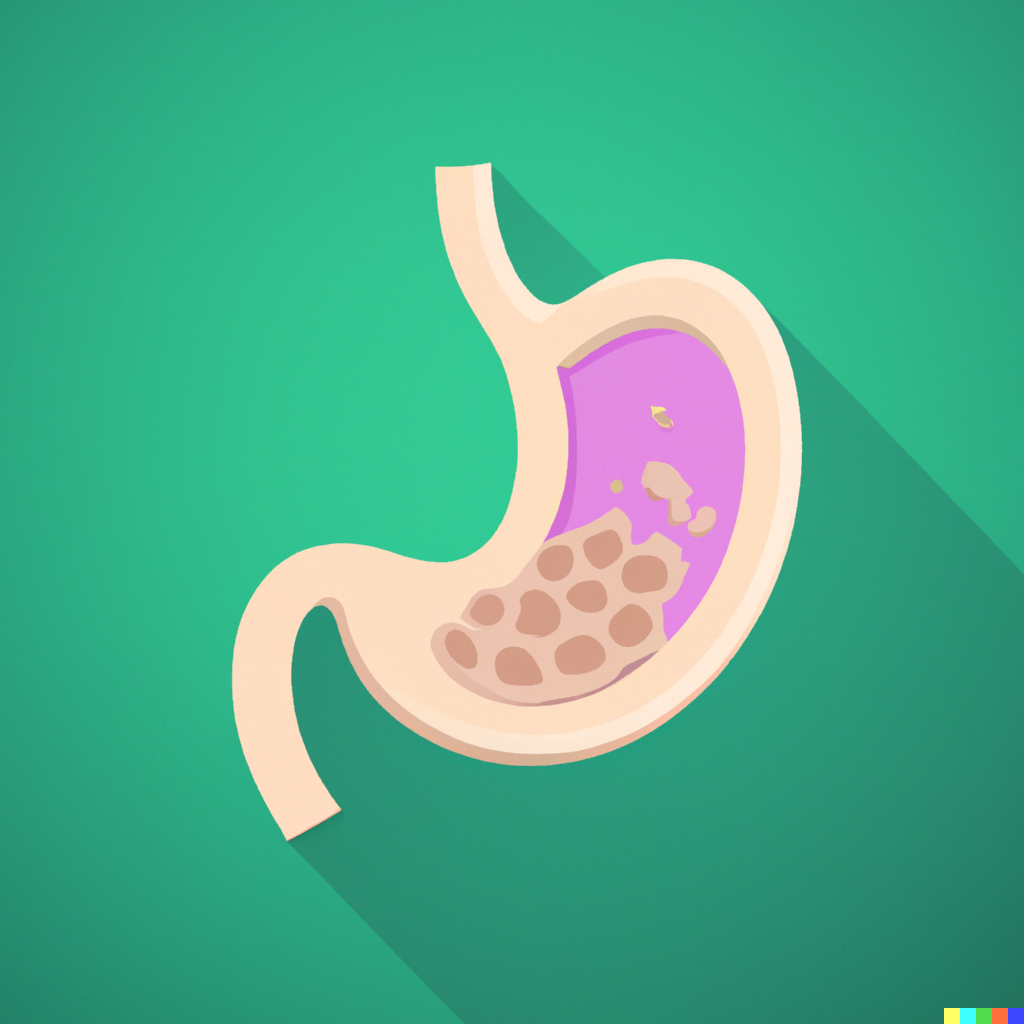
Causes of gastritis
Gastritis is an inflammation of the stomach lining. Weakness or damage to the protective mucus layer, which shields the stomach wall, allows stomach acid to further damage or irritate it.
Gastritis may be caused by inflammation, excessive alcohol consumption, chronic stress, or the use of certain medicines such as aspirin or other anti-inflammatory drugs.
Gastritis may also be caused by one of the following:
Infections caused by bacteria and viruses
A typical example is one of the most common bacteria: Helicobacter pylori (H. pylori), a stomach bacterium that lives in the stomach lining. Without treatment, this infection can lead to ulcers and, in some cases, stomach cancer.
Helicobacter pylori is usually passed from person to person, but it can also be spread through contaminated food or water.
Bile reflux
The backflow of bile into the stomach from the liver's bile duct (which is connected to the gallbladder and the liver) can also irritate the stomach lining.
Other causes of gastritis
Certain diseases and conditions may increase the risk of gastritis, including Crohn's disease and sarcoidosis (a condition in which clusters of inflammatory cells form in the body).
- Excessive alcohol consumption
- Frequent use of non-steroidal anti-inflammatory drugs (NSAIDs) such as ibuprofen and aspirin
- Use of cocaine
- With age, the stomach lining naturally thins
- Use of tobacco
- Other, less common risk factors include:
- Stress or trauma, caused by severe injury, illness or surgery
- Autoimmune disorders
- Immune system disorders such as Crohn's disease
- Viral infections
Risk factors
Bacterial infection
It is believed that infection with Helicobacter pylori (Helicobacter pylori) is one of the most widespread infections in the world. Only some people infected with it develop gastritis or other diseases of the upper digestive system. Doctors believe that susceptibility to the bacterium may be inherited or caused by factors early in life (for example, poor hygiene and diet).
Regular use of painkillers
Frequent use of painkillers such as aspirin, ibuprofen and naproxen can cause both acute and chronic gastritis. Regular use of these painkillers and/or high doses may reduce a substance that helps protect the stomach lining.
Age
Older people have a higher risk of gastritis, as the stomach lining tends to thin with age. As age increases, so does the risk of infection with H. pylori or autoimmune disorders.
Excessive alcohol consumption
Alcohol can irritate and erode the stomach lining, making the stomach more vulnerable to stomach acid. Excessive alcohol consumption is more likely to cause acute gastritis.
Stress
Severe stress caused by major surgery, injuries, burns or serious infections can cause acute gastritis.
Autoimmune gastritis
This is a condition in which the body's own immune system attacks the cells of the stomach lining. This type of gastritis appears when the immune system attacks the cells that make up the stomach lining. This reaction can damage the stomach barrier.
Autoimmune gastritis is more often seen in people with other autoimmune diseases, including Hashimoto's disease and type 1 diabetes. Autoimmune gastritis may also be linked to a vitamin B12 deficiency.
Other diseases and conditions
Gastritis may be linked to other medical conditions, including HIV / AIDS, Crohn's disease and parasitic infections.
Symptoms
The symptoms of gastritis vary from person to person, and many people have no symptoms at all. The most common symptoms include:
- burning, pain or pressure in the upper part of the abdomen, which may come and go or worsen after eating
- Bloating or full stomach
- Stomach swelling
- Nausea or vomiting, which may include blood or a coffee-like substance after eating
- Feeling of fullness in the upper part of the stomach after eating
- Problems with digestion
- Hiccups
- Loss of appetite
- Black stools
Gastritis does not always cause symptoms.
When is medical help needed
Almost everyone has at some point suffered from and/or suffers from problems with digestion or stomach irritation. Most problems of this kind pass over time and do not need medical help.
Medical advice is recommended when a person experiences stomach symptoms for a week or more.
It is always advisable for the doctor to be fully aware of the patient's condition. If irritation occurs as a result of taking medicines or products without a prescription, the doctor should be informed, especially after taking aspirin or painkillers.
If you vomit blood, have blood in your vomit or black stools, seek medical attention immediately.
How is gastritis diagnosed?
To diagnose gastritis, the doctor reviews your personal and family medical history and carries out a thorough physical examination. They may also recommend one of the following tests:
Upper endoscopy
For this procedure, an endoscope (a thin tube with a small camera) is passed through the mouth and down into the stomach, so that the stomach lining can be observed. The doctor checks for inflammation and may carry out a biopsy, a procedure in which a small sample of tissue is taken and then sent to a laboratory for analysis.
Blood tests
The doctor may carry out various blood tests, such as checking the number of red blood cells, to determine whether the patient is suffering from anaemia. The doctor may identify the presence of an H. pylori infection or pernicious anaemia through blood tests.
Faecal occult blood test
This test checks for the presence of blood in the stool - a possible sign of gastritis.
There are other tests that may be used to identify the presence of gastritis.
What is the treatment for gastritis?
The treatment of gastritis depends on the cause of the condition.
Gastritis caused by medicines can often be resolved by stopping the medicines in question.
Gastritis caused by an infection with H. pylori is most often treated with antibiotics.
In addition to antibiotics, several other medicines are used to treat gastritis:
Proton pump inhibitors
Medicines known as proton pump inhibitors work by blocking the cells that produce stomach acid. The most common proton pump inhibitors include:
- Omeprazole
- Lansoprazole
- Esomeprazole
Due to this, long-term use of these medicines, especially at high doses, may lead to an increased risk of fractures of the hip, spine and wrist.
These medicines may also lead to an increased risk of vitamin B12 deficiency.
DetoxiFive is a product for whole-body detoxification. The extract of dandelion helps support liver function and the renewal of kidney tissue.
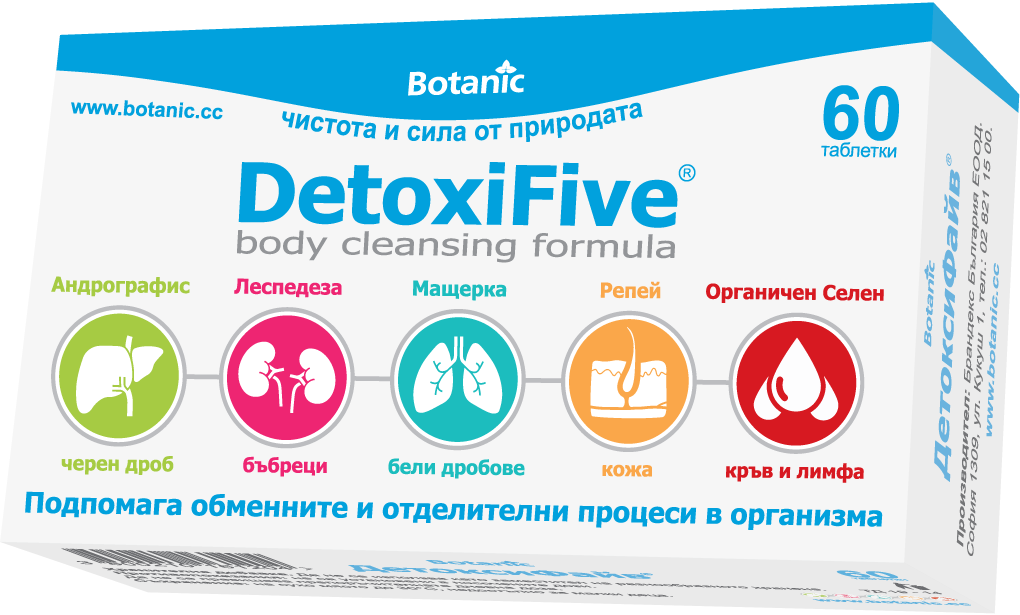
Learn more about DetoxiFive!
Proton pump inhibitors may also cause other side effects.
Antacids
Your doctor may recommend the use of antacids for quick relief of gastritis. These medicines neutralise the acid in the stomach. By reducing the amount of acid that is produced in the digestive tract, these medicines cover the lining and allow the stomach lining to heal.
Some antacids may cause diarrhoea or constipation, so a consultation with a doctor is needed if you notice any of these undesirable reactions.
To deal with constipation, you can trust Laxal.
Probiotics
Probiotics help to restore the intestinal flora and keep the stomach healthy. However, there is no evidence that they affect the secretion of acid.
In gastritis caused by H. pylori, treatment often includes antibiotic therapy. It is important for destroying the bacteria, but it often disrupts the balance of beneficial intestinal microflora and frequently leads to diarrhoea, bloating, gases or additional intestinal discomfort.
Therefore, from time to time and after antibiotic treatment, taking a product that supports the microbiome may be beneficial. BiomProtect® is a new-generation multibiotic that combines probiotic, prebiotic and postbiotic. The probiotic provides beneficial bacteria, the prebiotic nourishes them, and the postbiotic Prolac-T™ supports direct support and is resistant to antibiotics.
BiomProtect - for a healthy microbiome!
B12
If gastritis is caused by pernicious anaemia, your doctor will prescribe injections of vitamin B12.

Consultation with a doctor is needed before taking any of the treatment methods.
There are alternative methods that may improve the condition, such as honey, which forms a protective film, including medicinal rhubarb, ginger and chamomile.
Your doctor may also prescribe a special diet that excludes foods that irritate the stomach, such as lactose (dairy products) or gluten.
Enzy-Mill contains the most important digestive enzymes and helps digestion.
Learn more about Enzy-Mill!
Complications
Factors that affect the stomach lining also affect the lining of the duodenum, which leads to the appearance of ulcers and additional damage to the digestive system. Learn more: /heartburn-causes-symptoms-treatment/
When gastritis is not treated, it can lead to stomach ulcers and stomach bleeding. In some rare cases, chronic forms of gastritis may increase the risk of stomach cancer, especially if the inflammation of the stomach has been present for a long time and there is a chance of changes to the cells in the stomach lining.
It is advisable to talk to a doctor if symptoms of gastritis do not improve after treatment.
Prospects for treatment
Most gastritis is mild and improves well when treatment is followed or the causes of its appearance are removed.
Prevention
One of the best ways to protect yourself is to prevent infection with bacteria. It is not clear how H. pylori spreads, but there is evidence that it can pass from person to person or through contaminated food and water. Simple steps can help reduce the risk of infection, such as frequent handwashing with soap and water and eating properly prepared food.
Other ways to support stomach health
There are some foods that may help with the treatment of gastritis and help reduce the severity of symptoms. They include:
- Foods high in fibre such as apples, oats, broccoli, carrots and beans;
- Foods with low fat content such as chicken and turkey breast;
- Fish;
- Foods with low acidity or higher alkalinity such as cucumbers;
- Non-carbonated drinks;
- Caffeine-free drinks;
- Probiotics such as kombucha, sour milk, yoghurt and sour cabbage
Foods and drinks that should be avoided with a gastric diet
Foods high in fat and spices can aggravate the inflammation of the stomach lining. Some foods and drinks should be avoided, as they may irritate the stomach:
- Alcohol
- Coffee
- Acidic foods such as tomatoes and some fruits
- Fruit juices
- Fatty foods
- Carbonated drinks
- Spicy foods
- Fried and spicy foods
Conclusion
Gastritis is a common condition of the stomach lining. The disease may be caused by several factors, such as age, frequent use of painkillers, excessive alcohol consumption, smoking, improper diet, and bacteria (most often Helicobacter pylori). Gastritis may also be caused by diseases such as Crohn's disease, autoimmune disorders, sarcoidosis and bile reflux.
The symptoms of gastritis are many and varied, and differ from person to person. In some cases, the disease may be present without any symptoms. The most common problems that indicate the presence of the condition are problems with digestion, which may include pain, bloating, heartburn, as well as gases, problems with bowel movements and vomiting. If someone suffers from these symptoms for more than a week, a consultation with a doctor is recommended.
There are different tests through which the presence of gastritis can be established, which may be linked to blood, breath, endoscopy and so on.
Treatment of the disease depends on the specific case: for problems caused by Helicobacter pylori, antibiotics are usually prescribed; in other cases, proton pump inhibitors, antacids and so on are prescribed.
The most common disease responds well to treatment, especially if it is combined with a suitable diet. It is important to remember that complications are like ulcers, as well as more serious diseases such as stomach cancer.
Enzy-Mill
This article was prepared with the support of Enzy-Mill, a high-quality product with the seven most important digestive enzymes.

Share the article:
Latest articles

Memory
There are many types of memory, from short-term and sensory memory to associative forms. Here is how we learn, store and recall information.
Amylase
Amylase is an enzyme secreted by the pancreas and the salivary glands. It begins breaking down starch in the mouth, turning complex carbohydrates…
Comments