Heart
· BotanicLife · 9 min read

The heart is a critical organ that serves as the cornerstone of the human circulatory system, responsible for pumping blood throughout the body to deliver essential nutrients and oxygen to cells. It is composed of specialized tissues that allow for coordinated contractions and is the central component in maintaining homeostasis. Examining the anatomy, functions, and associated cardiovascular dynamics of the heart provides key insights into its indispensable role in human physiology and overall health.
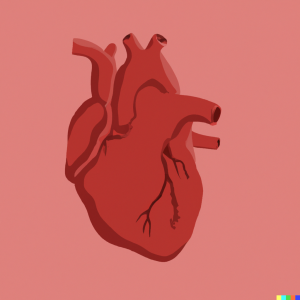

Anatomy of the Heart
Position and Dimensions
The human heart resides in the thoracic cavity between the lungs, positioned slightly to the left and behind the breastbone (sternum). It has an oblong shape, roughly the size of an adult fist, and weighs approximately 280 to 340 grams. The heart is encased in a membranous sac called the pericardium, which provides protection against friction and impact.
Chambers of the Heart
The heart is divided into four distinct chambers:
Left Atrium
This upper left chamber receives oxygenated blood from the lungs via the pulmonary veins. It has a thin wall and is responsible for pushing blood into the left ventricle.
Right Atrium
Situated on the upper right side, it collects deoxygenated blood from the body through two large veins—the superior and inferior vena cava—and propels it into the right ventricle.
Left Ventricle
The most muscular of all the chambers, the left ventricle has the critical task of pumping oxygen-rich blood into the systemic circulation via the aorta. The high muscular density enables it to generate substantial pressure, a necessity for effective systemic circulation.
Right Ventricle
This chamber pumps deoxygenated blood into the lungs via the pulmonary arteries. Though it performs a similar pumping action to the left ventricle, its walls are much thinner due to the lower pressure required to move blood to the nearby lungs.
Electrical Impulses and Cardiac Rhythm
The heart's rhythmic contractions are orchestrated by a sophisticated electrical system that initiates and conducts impulses. The impulse generation starts at the sinoatrial (SA) node, often referred to as the natural pacemaker of the heart, located in the right atrium. Electrical impulses from the SA node travel through atrial muscle fibers to the atrioventricular (AV) node, situated between the atria and ventricles. The AV node serves as a relay station, delaying the impulse slightly before it passes into the ventricular muscle fibers. This meticulously coordinated electrical activity is essential for the simultaneous contraction and relaxation of atrial and ventricular chambers, facilitating effective blood circulation.
Valves and Blood Flow
Separating these chambers are valves that regulate the flow of blood:
- Mitral Valve: Lies between the left atrium and the left ventricle.
- Tricuspid Valve: Separates the right atrium from the right ventricle.
- Aortic Valve: Located at the exit of the left ventricle, it opens to allow blood into the aorta and closes to prevent backflow.
- Pulmonary Valve: Sits at the junction between the right ventricle and the pulmonary artery and operates similarly to the aortic valve.
These valves are flaps of tissues that open and close in a coordinated manner, ensuring that blood flows in one direction—atria to ventricles, and ventricles to the arteries.
Myocardium
The myocardium is the muscular layer of the heart wall and constitutes the bulk of the heart's mass. Composed of specialized cardiac muscle cells interconnected by gap junctions, the myocardium is designed for endurance and synchronization. These features allow it to contract continuously without fatigue, propelling approximately 70-75 times per minute in a resting adult.
Functions of the Heart
The Dual Circulatory System
The heart serves as the core of the circulatory system, which is essentially a dual system comprising the pulmonary and systemic circuits.
Pulmonary Circuit
This involves the right atrium and right ventricle. Deoxygenated blood from the body flows into the right atrium via the superior and inferior vena cava. Upon contraction of the atrium, the blood moves into the right ventricle and is subsequently pumped to the lungs via the pulmonary arteries. In the lungs, the blood gets oxygenated and releases carbon dioxide—a process called gas exchange.
Systemic Circuit
The left atrium receives oxygenated blood from the lungs through the pulmonary veins. As the left atrium contracts, the blood flows into the left ventricle, which then contracts forcefully to send this oxygen-rich blood into the aorta. From the aorta, the blood is distributed to various parts of the body via a complex network of arteries, arterioles, and capillaries.
Cardiovascular Dynamics and Blood Pressure
The heart's contractions are powerful and well-coordinated, ensuring that blood is pushed through arteries at a pressure sufficient to reach even the most distal tissues. This pumping action maintains what we commonly refer to as "blood pressure." The left ventricle generates the highest pressure, necessitated by the extensive distance the blood must travel in the systemic circuit. In contrast, the right ventricle operates at a lower pressure, suitable for the shorter pulmonary circuit.
Nutrient and Waste Exchange
As the heart pumps blood through the systemic circuit, capillaries—the smallest blood vessels—play a vital role in the exchange of nutrients, oxygen, and waste materials. These capillaries are so thin that substances like oxygen and glucose can easily pass through their walls to reach the body’s cells. At the same time, waste products such as carbon dioxide and urea are collected from the cells into the blood, to be eliminated via the lungs and kidneys, respectively.
Metabolic Support
The heart’s ceaseless pumping ensures a constant delivery of oxygen and glucose, essential elements that cells require for energy production through cellular respiration. This metabolic support is particularly crucial for high-energy-demand tissues like the brain and muscles, which rely heavily on a consistent and efficient circulatory system.
Regulatory Functions
Beyond mechanical pumping, the heart also releases atrial natriuretic peptide (ANP), a hormone that helps regulate blood volume and pressure by promoting salt and water excretion through the kidneys.
How the Heart Interacts with Other Systems
The heart doesn't function in isolation; it's deeply connected to other bodily systems. It interacts closely with the respiratory system for gas exchange, the nervous system for regulatory control, and the endocrine system for hormonal influences on heart rate and blood pressure. All these interactions signify the heart's integral role in maintaining homeostasis and overall bodily function.
Common Heart Diseases
Coronary Artery Disease (CAD)
Coronary Artery Disease is the leading cause of heart-related morbidity and mortality worldwide. In CAD, fatty plaques called atherosclerotic plaques accumulate in the inner lining of the coronary arteries. These plaques narrow the arterial lumen, thereby reducing blood flow to the myocardium. When blood flow is severely compromised, it can lead to angina (chest pain) or a myocardial infarction (heart attack). The presence of CAD often elevates blood pressure as the heart has to work harder to pump blood through narrowed arteries. Elevated blood pressure, in turn, exacerbates CAD by causing endothelial injury, triggering a vicious cycle that worsens both conditions.
Heart Failure
Heart failure is a condition characterized by the heart's inability to pump sufficient blood to meet the body's metabolic needs. This can be due to a variety of causes including prior heart attacks, hypertension, and valvular heart disease. In heart failure, elevated blood pressure is often both a cause and a consequence. A failing heart struggles to pump against high resistance, which requires higher pressures, worsening the condition. The condition often leads to fluid retention, swelling in the extremities, and shortness of breath.
Arrhythmia
Arrhythmias refer to irregularities in the heart's electrical rhythm, resulting in heartbeats that are too fast, too slow, or irregular. This can compromise the heart’s pumping ability and result in a reduced cardiac output. The most common form of arrhythmia is atrial fibrillation, which is particularly concerning due to its association with stroke. In cases where arrhythmias cause a reduced cardiac output, blood pressure can drop significantly. Conversely, some arrhythmias like ventricular tachycardia can dramatically increase blood pressure due to the rapid and inefficient pumping of the heart.
Valvular Heart Diseases
Valvular heart diseases affect one or more of the four heart valves (mitral, aortic, tricuspid, and pulmonary). Common conditions include stenosis (narrowing), regurgitation (leakage), and prolapse (improper closure) of the valves. These conditions impede the efficient flow of blood through the heart, causing it to work harder and often leading to elevated blood pressure. For example, aortic stenosis puts extra pressure on the left ventricle, which then results in higher systolic blood pressure as the ventricle has to generate more force to expel blood through the narrowed aortic valve.
Blood Pressure
Blood pressure is intrinsically linked to almost all heart-related conditions. Elevated blood pressure places additional strain on the heart and blood vessels, exacerbating many cardiac conditions. Conversely, several heart conditions can result in irregular blood pressure, further complicating the clinical picture. Blood pressure management through lifestyle changes and medications is often a cornerstone in the treatment and management of these heart-related conditions.
Lean everything you need to know about High Blood Pressure: https://botaniclife.eu/blog/high-blood-pressure/
Understanding these common heart-related conditions in the context of their relationship with blood pressure provides a nuanced view of cardiac health and disease management. Monitoring and managing blood pressure are crucial steps in both preventing and treating these complex conditions.
Comprehensive Guide to Maintaining Heart Health
Regular Exercise
One of the most effective ways to keep your heart healthy is to engage in regular physical activity. Experts recommend at least 150 minutes of moderate exercise per week, which can include walking, swimming, or cycling. Regular exercise not only strengthens the heart muscle but also helps to maintain optimal blood pressure and cholesterol levels. Exercise increases the efficiency of the heart, reducing the work it has to do to pump blood throughout your body.
Balanced Diet
Diet plays a crucial role in heart health. A balanced diet rich in fruits, vegetables, lean proteins like fish and poultry, and whole grains can provide essential nutrients without excess calories or saturated fats. Omega-3 fatty acids, found in fish like salmon, can reduce inflammation, lower bad cholesterol, and increase good cholesterol. Incorporating antioxidant-rich foods can combat oxidative stress, which contributes to heart disease.
Stress Management
Stress is an often-overlooked factor that can contribute to heart disease. High stress levels can lead to unhealthy coping mechanisms like smoking or overeating. Techniques like meditation, deep-breathing exercises, and mindfulness can be effective in reducing stress. These practices have been shown to lower blood pressure and decrease the stress hormone cortisol, positively impacting heart health.
Avoid Smoking and Excessive Alcohol
Both smoking and excessive alcohol consumption are strongly linked to heart disease. Smoking is a leading cause of coronary artery disease, while heavy drinking can lead to high blood pressure, arrhythmias, and cardiomyopathy. Quitting smoking and moderating alcohol consumption can significantly reduce your risk of developing heart conditions.
GinkgoVin
As you explore ways to strengthen your heart health through traditional treatments and lifestyle changes, consider elevating your approach with GinkgoVin—a specialized food supplement meticulously crafted to enhance your cardiovascular well-being. Fortified with premium Ginkgo Biloba extract, GinkgoVin acts as a potent facilitator in optimizing blood flow and can contribute to the effective regulation of blood pressure levels, according to research.1
GinkgoVin also harnesses the power of Grape Seed extract, which is a treasure trove of antioxidants. Scientific studies indicate that the grape seed extract improves arterial function, further supporting cardiovascular health.2

GinkgoVin - for a healthy heart: https://botaniclife.eu/products/ginkovin/
Conclusion
The heart serves as a biomechanically sophisticated pump essential for maintaining homeostasis and overall physiological function. Comprehensive understanding of its anatomical structure, electrical coordination, and circulatory roles enables effective preventative and therapeutic strategies for cardiovascular diseases. As the central component of the circulatory system, its proper function is critical for the optimal performance of various other physiological systems, substantiating its indispensable role in human health.
GinkgoVin - for a healthy heart: https://botaniclife.eu/products/ginkovin/
Share the article:

BotanicLife
Latest articles
Memory
There are many types of memory, from short-term and sensory memory to associative forms. Here is how we learn, store and recall information.
Amylase
Amylase is an enzyme secreted by the pancreas and the salivary glands. It begins breaking down starch in the mouth, turning complex carbohydrates…
Comments