Infections: Types, Causes and Helpful Tips
· 13 min read

An infection occurs when a harmful micro-organism enters the human body and causes damage. The body's immune system responds to the invader, which includes the defence mechanisms of the immune system. Micro-organisms that cause infection are known as pathogens.
Examples of pathogens include some bacteria, viruses, fungi and parasites. Pathogens have the ability to multiply and adapt quickly.
Infections fall into different categories, which can be distinguished by cause, as well as by seriousness (from mild and barely noticeable to severe, life-threatening and resistant to treatment).
Throughout history, millions of people have died of diseases such as bubonic plague or the Black Death, caused by the bacterium Yersinia pestis, and smallpox, caused by the variola virus. Today, viral infections are responsible for two major pandemics: the Spanish flu of 1918-1919, which claimed 20-40 million lives, and the ongoing HIV / AIDS epidemic, which alone kills around 1.5 million people a year.
An infection can be spread in many different ways: skin contact; bodily fluids or secretions; contact with faeces; airborne droplets; or consumption of a contaminated item or food by a person who has been infected.
How far an infection spreads and its effects depend on the pathogen.
The immune system is an effective barrier against infectious agents, but when the colonies of pathogens become too large, the body's defence mechanisms can no longer cope. At this stage, infections become harmful.
Types
Bacteria, viruses, fungi, protozoa, parasites and prions are different types of pathogens. They differ in size, shape, function, genetic makeup and the way they act on the body.
Treatment depends on the type of pathogen. The most common and deadliest infections are caused by bacterial, viral, fungal and parasitic agents.
Viral infections
Viruses are smaller than bacteria. The largest virus is smaller than the smallest bacteria. A virus consists of a protein coat and a core of genetic material, which is either RNA or DNA. Viruses contain very little genetic code. Scientists believe there are millions of virus types, but only 5,000 have been identified.
Viruses enter the body and attach to a cell. Unlike bacteria, most viruses are parasitic. Once inside the cell, they release their genetic material, which forces the cell to reproduce the virus, and the virus multiplies. When the cell dies, it releases new viruses, which go on to infect new cells.
Not all viruses destroy the host cell. Some of them change the function of the cell. In this way, viruses such as the human papillomavirus (HPV) (you can learn more about the human papilloma virus here: /human-papillomavirus-hpv-causes-symptoms-and-treatment/) or the Epstein-Barr virus (EBV) can lead to cancer by causing cells to multiply in an uncontrolled way.
Over time, viruses can change their structure more than eight times. It was once thought that the transmission of a virus over a short distance (within 2-4 metres) from an infected person could only cause flu, but modern viruses are much more resistant and have developed a remarkable ability to spread and survive.
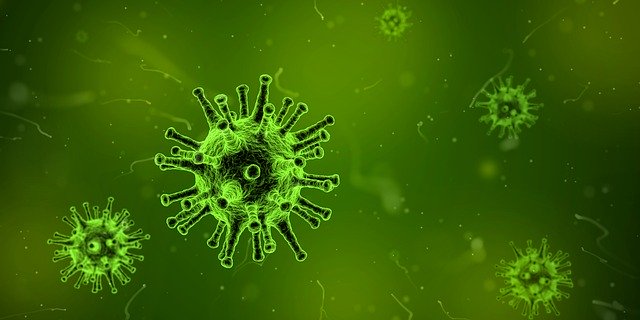
Specific viruses
Another difference from bacteria is that many viruses cause disease and are highly specific to the cells they attack. For example, some viruses attack cells in the black drop (you can read more about the black drop here: /the-liver/), the respiratory system or the skin. In some cases viruses are specific to bacteria, while in others they target defined age groups such as the elderly or young children.
Latent virus
A virus can remain dormant for a period of time before it multiplies again. The latent virus may be undetectable for a long time, but its state changes rapidly when the virus becomes active.
Example viral infections
- Flu, which can be caused by many viruses, including rhinovirus, coronavirus and adenovirus;
- Encephalitis and meningitis, caused by enteroviruses and herpes viruses;
- Warts and skin infections, caused by human papillomaviruses (HPV) and the herpes simplex virus (HSV);
- Gastroenteritis, caused by norovirus.
- Other viral conditions include:
- Rabies virus
- Human immunodeficiency virus (HIV)
- Hepatitis C
- Polio (infantile paralysis)
- Viral haemorrhagic fever
- Ebola
- Middle East respiratory syndrome (MERS)
Treatment of viral infections
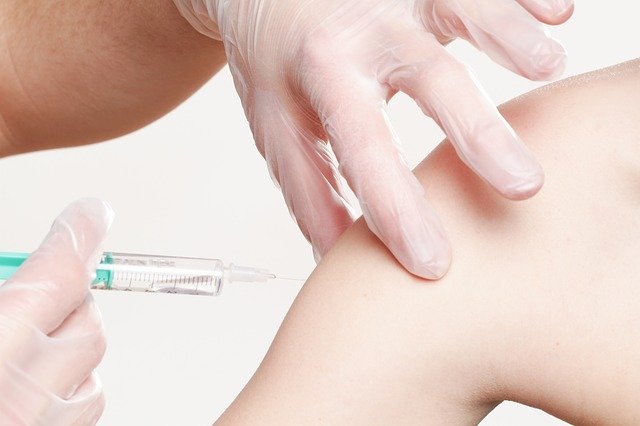
Antiviral medicines help in some cases. They can either prevent the virus from multiplying, or strengthen the immune system. Vaccines exist that protect against some of the most serious viral diseases.
Antibiotics are not effective against viruses. Using antibiotics against a virus will not destroy the virus, but it increases the risk of resistance to the specific antibiotic.
Most treatments aim to relieve the symptoms while the immune system fights the virus.
Bacterial infections
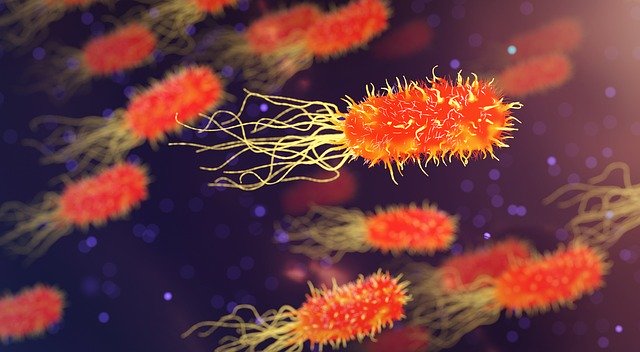
Bacteria are comparatively complex single-celled micro-organisms, known as prokaryotes. Most of them have a rigid wall and a membrane surrounding the contents of the cell. It is estimated that there is no single nonlior on Earth (a tenth, from 30 zeros) bacteria. Fossilised records show that bacteria existed more than 3.5 billion years ago. In fact, most of the Earth's biomass consists of bacteria.
Bacteria do not need a host to live, and they inhabit almost every environment, including extreme heat, intense cold and some deep under radioactive waste. Most bacteria are harmless. Some bacteria live inside the human body without causing harm, for example in the intestines or the respiratory tract. Some “good” bacteria attack “bad” bacteria and do not allow them to cause disease.
Main forms of bacteria
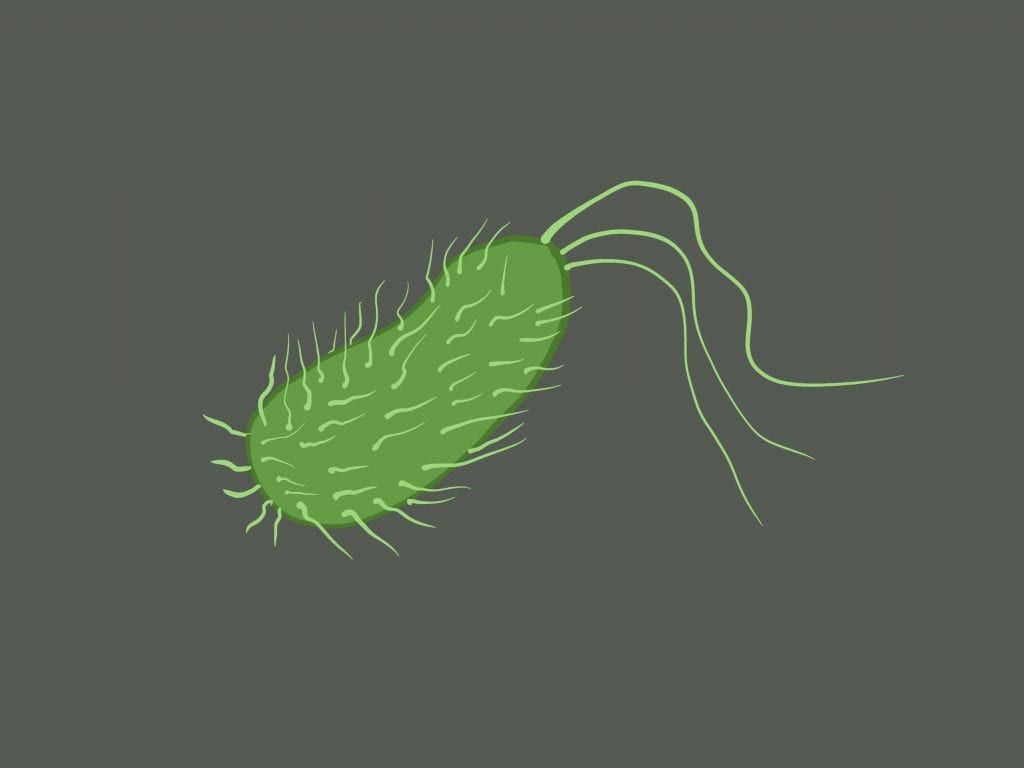
Bacteria take three main forms:
Spherical: Usually they are the simplest to treat and are known as cocci.
Rod-shaped: They are called bacilli.
Spiral: spirochaetes are known as spirochetes. If the body of the spiral is especially tight, they are known as spirochaetes.
Good and bad bacteria
There are thousands of bacteria, but only a few of them cause diseases in humans.
Most bacteria are harmless. Some bacteria live inside the human body without causing harm, for example in the gut or the respiratory tract. Some “good” bacteria attack “bad” bacteria and do not allow them to cause disease.
Bacterial diseases
Less than 1% of bacteria cause diseases in humans. Some bacterial diseases are fatal.
For example:
- cholera
- diphtheria
- dysentery
- plague
- pneumonia
- tuberculosis
- typhoid fever
- tetanus
- Other examples of bacterial infections are:
- bacterial meningitis
- otitis
- gastritis
- infection of the upper respiratory tract
- gastric ulcer
- food poisoning
- ear infections
- sinusitis
- infections of the urinary tract; you can read everything about cystitis here: /cystitis-causes-symptoms-and-natural-support/
- skin infections
- sexually transmitted diseases
Treatment of bacteria
Bacterial infections can be treated with antibiotics. In some incorrect treatments or due to other circumstances, some bacteria become resistant to certain types of antibiotic.
After every antibiotic treatment it is recommended to take DetoxiFive- a fully natural product that helps support complete detoxification. Read more: /products/detoxifive/
Fungal infection
The fungus is often a multicellular parasite that can spread and then absorb organic matter with the help of enzymes.
Fungi almost always reproduce through the spread of single-cell spores, and their structure is usually long and cylindrical with small nishki, branching out from the main body. This structure is known as hypha.
There are approximately 51 million fungal species.
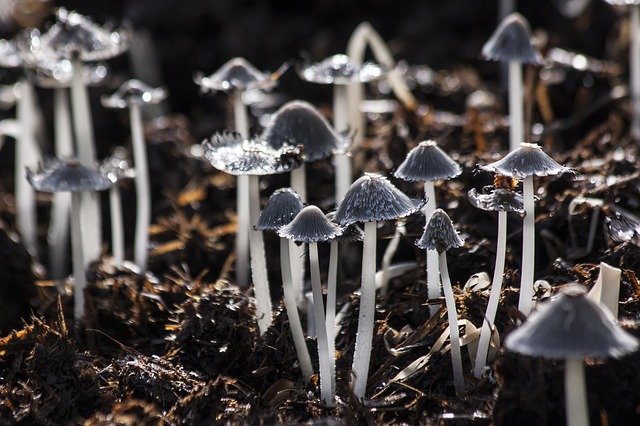
Many fungal infections appear in the upper layers of the skin, while some advance to deeper layers. Inhalatory fungal spores can lead to systemic fungal infections such as pneumonia or candidiasis. Systemic diseases affect the whole body.
In the body there is normally a population of “good” fungi, which help maintain the balance of microorganisms in the intestines, the vagina and other parts of the body. If a large part of the good bacteria are destroyed, for example through excessive use of antibiotics, fungi can grow and cause health problems for the person who hosts them.
Groups with a higher risk of developing a fungal infection include people who:
use strong antibiotics for a long time; have a weakened immune system, which can be due for example to HIV or AIDS, diabetes (learn everything about diabetes here: /diabetes-everything-you-need-to-know/), chemotherapy; recipients of transplants, who take medicines that suppress the immune system.
Examples of fungal infections:
- coccidioidomycosis
- athlete's foot
- tinea
- some eye infections
- Some rashes that may be an indicator of a fungal infection of the skin.
Parasitic disease
A parasite is a protist that does not contain genetic material. Usually it is single-celled, but if it turns into an abnormal form, it can become a pest and infect the host. Parasites can be dangerous if they are not controlled.
Parasites do not reproduce or store their own organism, but they threaten the normal behaviour in the cells and proteins in the body.
Parasitic diseases are rare, but they progress quickly and at the moment all of them are fatal. Parasites cause degenerative brain diseases such as spongiform encephalopathy, known also as mad cow disease, and Creutzfeldt-Jakob disease.
Researchers link some cases of Alzheimer's disease with parasitic infection.
Other types of infections
While the more common forms of infection are the main types, there are others that may also have an effect on the body.
Protozoa
A single-celled organism with a nucleus can cause protozoan infection. The first ones (an informal term for single-celled organisms - protozoa) usually show characteristics similar to animals, including mobility and the ability to move outside the human body. The most common such type of infection is spread through contact with faeces. When they enter the human body, the protozoa can cause infection. Amoebic dysentery is an example of a protozoan infection.
Helminths
Helminths are larger, multicellular organisms that can be visible with the naked eye when they grow to full size. This type of parasite includes flatworms and roundworms. They are capable of infecting the human body.
Ectoparasites and others
And finally, ectoparasites such as fleas, lice, ticks and bugs can cause infection, as they attach themselves or live on the skin.
Carriers of infections can also include some blood-sucking arthropods such as mosquitoes, because they spread diseases through the consumption of human blood.
Causes of infections
The cause of an infection can be any of the micro-organisms that have a negative effect on the host. The consequences of infection, such as swelling or fever, appear as a result of the immune system, which fights against the organism. The appearance of pus in a wound, for example, occurs when white blood cells rush to the site of injury to fight the invading bacteria.
Ways of transmitting infection include: coughing and sneezing; contact with infected fluids, especially kissing and sex; contact with contaminated surfaces, food and water; contact with infected animals, including domestic pets, livestock and insects such as mosquitoes and ticks.
You can support your immune system and keep yourself healthy through natural immunostimulator Ceget+.
Symptoms of infections
Most often an infection is associated with fever. Fever is a natural biological reaction of the immune system, a protective mechanism that aims to push back the harmful pathogens.
Naturally, the symptoms depend on the affected organ, as well as on the source of the infection.
Viruses are attached to specific cells, such as those in the genitals or the upper respiratory tract. The virus of the nerve, for example, is attached to the nervous system. Some viruses are attached to the skin cells, causing rashes. Others are attached to a wider spectrum of cells, which leads to various symptoms. The flu virus may cause a headache, muscle aches and a runny nose (diarrhoea and/or vomiting). All these symptoms are attempts by the body to get rid of the virus. You may suspect flu with a healthy immune system, thanks to Ceget+!
A person with a bacterial infection often experiences swelling, heat, pain, redness, a boil at the site of the infection and swollen lymph nodes. Less likely, a bacterial infection may affect a wide part of the body, unlike a viral one.
A rash may be an indicator of a fungal infection of the skin.
The common symptoms of parasitic diseases include a feeling of brain fog, loss of memory and cognitive difficulties. They may also cause the gradual deterioration of the plaque in the brain, causing its shrinkage.
Diagnosis of bacterial and viral infections
It is worth consulting your doctor if you suspect you have a bacterial or viral infection. The exceptions include the usual cold, which is usually not life-threatening.
In some cases it is difficult to determine whether a given disease is viral or bacterial, as many diseases - including pneumonia, meningitis and diarrhoea - can be caused by both. A doctor can often identify the cause of an infection by reviewing the medical history and/or through a physical examination. If necessary, the doctor may order a urine or blood test to help confirm the diagnosis, or a culture test of a tissue sample to identify bacteria or viruses. Sometimes a biopsy of the affected tissue may be taken.
Prevention of infections
There is no single universal way to prevent all infectious diseases, but the following habits can reduce the risk of transmission:
Wash your hands often, especially before and after preparing food and after using the toilet.
Clean surfaces and avoid leaving products for ready consumption for a long time at room temperature.
Take antibiotics only when they are prescribed, and do not skip completing each prescribed course, even if the symptoms improve earlier than expected.
Disinfect premises where there may be high concentrations of bacteria, such as the kitchen and the bathroom.
Practise safe sex, as well as regular examinations for sexually transmitted diseases.
Avoid sharing personal items such as toothbrushes, combs, razors, drinking cups and kitchen utensils.
Follow your doctor's advice regarding vaccination or work, when you are ill, as they could infect other people.
A healthy, active lifestyle can help support a strong immune system and enable it to protect the body from different types of infection.
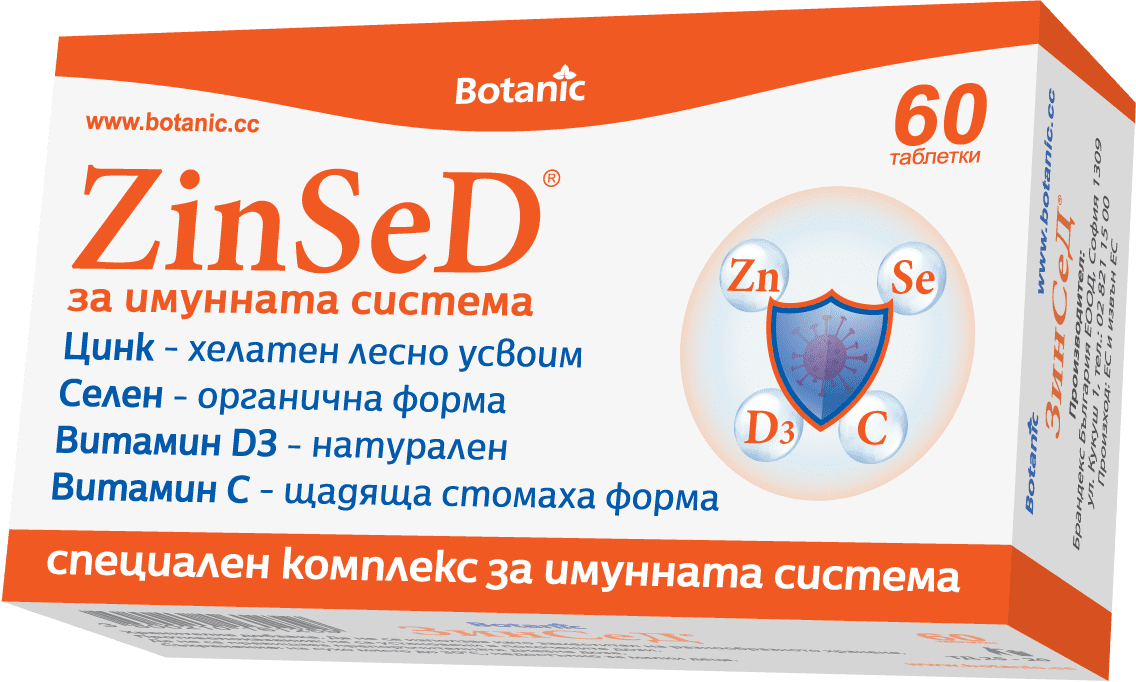
The body's defence forces can be supported by increasing the intake of essential vitamins and minerals. ZinSeD contains zinc, selenium, vitamin D and vitamin C in easily absorbable forms. Learn more: /products/zinsed/
Conclusion
Infections are caused by pathogenic external organisms that enter the organism and begin to cause harm. The largest groups of harmful agents are viruses, bacteria, fungi and parasites.
Types of infection and treatment
Viruses are smaller than bacteria, as they attach to human cells and either take them over or destroy them. Viruses most often affect a specific type of cell (for example: liver cells). Viruses can be prevented with vaccines, but they cannot be treated with antibiotics. Most treatments for viruses affect the symptoms, while the organism does not manage on its own. Some viruses are life-threatening.
Bacteria are more complex organisms that have existed on Earth for billions of years, and they do not need a host to live. Under 1% of bacteria are disease-causing for humans, while some bacteria are beneficial. To tell them apart from viruses, bacteria are treated with antibiotics (when this is necessary).
Fungi are complex organisms that often spread through spores. Most often they settle on the upper layers of the skin, but with a weakened immune system they can spread and penetrate deeper into the body.
Protozoa are without a genetic code, which affects the human cells and proteins. They are rare, but progress quickly and are often fatal. The technical symptoms include problems with the brain.
There are also other types of infections, which may be caused by single-celled, parasitic and some dreb nasekomi.
Symptoms
The symptoms of infections are different depending on the pathogen, but the most common infections with viruses and bacteria include cough, runny nose, fatigue, diarrhoea, fever, vomiting, as viruses or bacteria, which cover specific systems have strong symptoms in them.
Prevention
Learn more about ZinSeD!
 .
Share the article:
Latest articles
Memory
There are many types of memory, from short-term and sensory memory to associative forms. Here is how we learn, store and recall information.
Amylase
Amylase is an enzyme secreted by the pancreas and the salivary glands. It begins breaking down starch in the mouth, turning complex carbohydrates…
Comments