Testosterone: Functions, Normal Levels and What Low or High Levels Mean
· 10 min read

Testosterone is a hormone produced mainly by the testes in men and by the adrenal glands in women. It is vitally important for the development of men and their distinguishing characteristics. Women synthesise it in much smaller amounts, but it plays a significant role for them too.
Testosterone production increases about 30-fold in men during the teenage years and adolescence. After that, levels of this hormone normally decline slightly with each year. After the age of thirty, testosterone falls by about 1% a year.
The role of testosterone
Testosterone is the main androgen hormone. It takes part in the development of the male genitals and secondary sexual characteristics. The hormone has an anabolic effect in both sexes and also influences behaviour.
In men, testosterone is secreted by the Leydig cells in the testes and, to a lesser extent, by the cortex of the adrenal glands.
In women, the ovaries are the main source of testosterone before the menopause. After the menopause, the testosterone produced by the ovaries falls sharply.
Testosterone production in the testes and ovaries is regulated by a feedback loop between the pituitary gland and the sex glands, carried out by luteinising hormone. Inhibin and activin also take part in this communication, but to a lesser degree.
Most of the circulating testosterone is bound to sex hormone-binding globulin (SHBG). A smaller part of the circulating testosterone is bound to albumin, and very little exists as free hormone.
It used to be thought that only the free fraction of circulating hormone was biologically active. It is now known that testosterone is only weakly bound to serum albumin and is easily released from it in the capillary network, which makes it readily available to tissues. This makes all testosterone that is not bound to SHBG bioavailable.
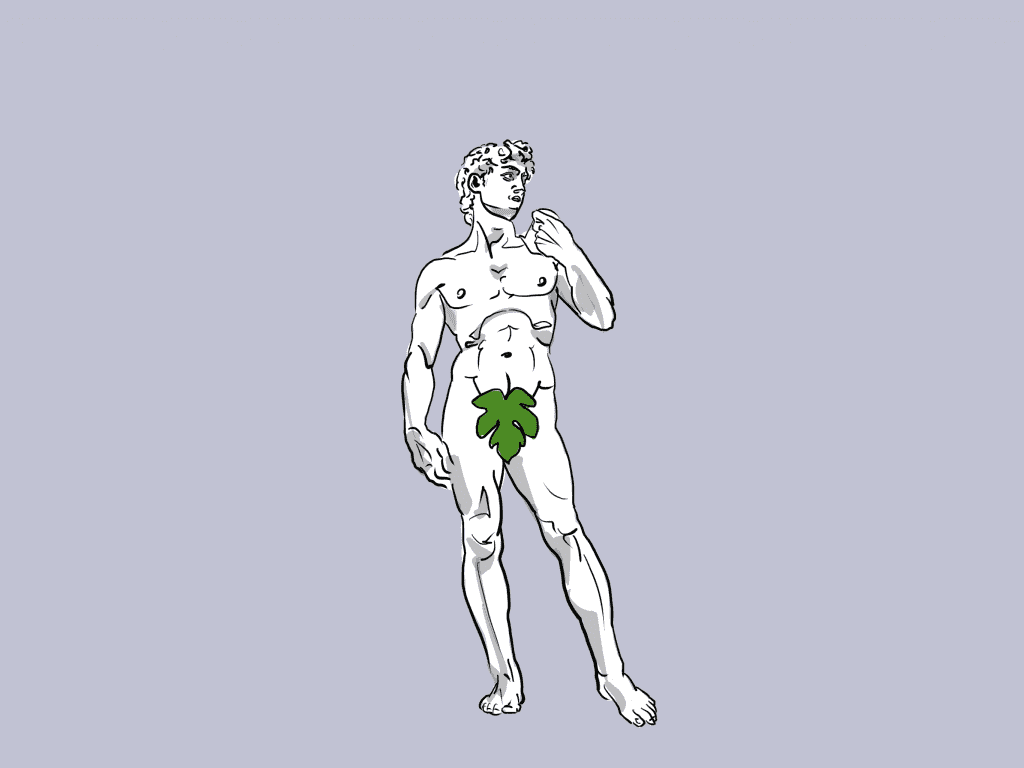
Functions of testosterone in men and women
Testosterone contributes to: the building of muscle mass and bone density; libido; mood and quality of life; verbal memory and mental activity; body hair (on the face and genitals); body development and the deepening of the voice in men. In women, testosterone is also a precursor of oestrogen.
Testosterone levels
High levels
Excessive testosterone production in children causes early puberty in boys and masculinisation in girls.
In adult women, high testosterone production leads to various forms of virilisation such as hirsutism (excessive body hair), acne, oligomenorrhoea (infrequent periods) or infertility.
Mildly to moderately raised testosterone usually passes without symptoms in adult men, but it can have a noticeable effect on women.
The exact causes of these mild elevations are not entirely clear.
Lady Harmonia is an entirely natural product for women that supports hormonal balance.
Some of the more common causes of high levels include: genetic conditions (for example congenital adrenal hyperplasia), tumours of the adrenal glands, testes and ovaries, and the misuse of testosterone or gonadotropins by athletes.
Low levels
Reduced hormone levels in women cause mild symptoms, which may include a lower libido and non-specific changes in mood.
In men, reduced levels can lead to partial or complete hypogonadism (a reduction or loss of one of the functions of the testes). This also affects the reproductive functions and the secondary sexual characteristics.
The causes of this condition vary, but they are often linked to pituitary or hypothalamic insufficiency affecting the testes.
In adult men there is a mild but gradually increasing decline in testosterone production, a process that begins between the fourth and sixth decade of life. Because this is accompanied by a simultaneous rise in SHBG levels, bioavailable testosterone can fall more markedly than total testosterone, causing non-specific symptoms.
Even so, severe hypogonadism caused by ageing alone is rare.
Another process that occurs as men age is the onset of andropause, a phenomenon in which testosterone declines but, in addition, free testosterone is sometimes converted into dihydrotestosterone under the influence of oestrogen. The presence of dihydrotestosterone has a negative effect on the prostate and leads to its enlargement.
Nettle is a herb that naturally blocks this process and helps to prevent it. Nettle has a favourable effect in benign prostatic hyperplasia (BPH). You can get a high-quality nettle root extract with ProstaRen. Learn more: /products/prostaren/
Low testosterone levels in men
Symptoms
Symptoms of low testosterone levels include: a loss of muscle mass, an increase in subcutaneous fat and erectile dysfunction.
Raising testosterone levels
If a specialist has found low testosterone levels, hypogonadism or other problems with the synthesis of the hormone, replacement therapy or other treatment may be prescribed to raise testosterone levels.
When levels are normal, raising them may bring no benefit at all.
Benefits of testosterone in men with low levels
The benefits have been studied and demonstrated only in people with established low hormone levels.
Improved heart and blood health
A healthy heart helps blood reach the whole body, which affects the muscles and organs and the maintenance of their optimal function. Testosterone contributes to the production of red blood cells by the bone marrow. Low testosterone levels raise the risk of rare cardiovascular diseases.
Studies on the link between testosterone and heart health have produced conflicting results. A small study from 2000 showed that men with cardiovascular disease and low testosterone who underwent hormone therapy saw a slight improvement in their condition. Some increased their ability to walk by 33%. Another study shows that the therapy merely widens healthy arteries.
A recent study covering 83,000 men showed that in those whose testosterone levels returned to normal, the risk of heart attack fell by 24% and the risk of stroke by 36%.
Less fat and more muscle
Testosterone is responsible for increasing muscle mass. When the body has less subcutaneous fat, weight is easier to control and the sense of energy increases.
One study shows that treating men with low testosterone levels changes their level of subcutaneous fat and increases muscle size and strength. In some men, an improved fat index does not increase strength. For optimal results, a combination of hormone therapy and concentrated physical exercise is recommended.
Healthier bones
Testosterone plays an important role in bone density. In both men and women, bone density declines with age as testosterone levels fall. This increases the risk of osteoporosis. Learn everything you need to know about osteoporosis: /osteoporosis-everything-you-need-to-know/
Bone health is important because bones help maintain the body's posture and protect the organs. Improving bone health also raises athletic ability, which in turn affects health.
Studies show that raising testosterone levels has an effect on improving bone health, including the density of the spine and hips.
Improves verbal memory, spatial orientation and mathematical skills
Studies show that men who manage to maintain normal testosterone levels have a lower risk of Alzheimer's disease. Other studies show that maintaining good testosterone levels improves verbal memory and overall memory function. Testosterone treatment of men between 34 and 70 years of age has shown an improvement in spatial thinking.
Improved libido
Testosterone levels change naturally in response to sexual arousal. Men and women with high testosterone levels have higher sexual activity. Older men need more testosterone to raise their libido and to protect against erectile dysfunction. It is important to note that erectile dysfunction is more often the result of other conditions or medicines than of low testosterone levels.
You can learn more about the prostate: /prostate-health-tips-symptoms-causes-natural-support/
You can look after your prostate with ProstaRen: /products/prostaren/
Studies show that raising testosterone levels improves sexual health and ability, but this effect is seen in men who have low levels. Men with normal hormone levels do not benefit from raising their testosterone.
Improved mood
Reduced testosterone levels are linked to a lower quality of life. Some of the symptoms of low testosterone include depression, fatigue and irritability. Some studies show that these symptoms may apply only to men who suffer from hypogonadism. Men whose hormone levels fall gradually as a result of ageing do not show such levels of depression.
What are the risks of testosterone therapy?
Prescribed testosterone treatments are available in various forms, such as gels, patches and injections. Each method has different side effects. Patches can irritate the skin; injections can cause mood swings.
Side effects include: the appearance or worsening of acne, fluid retention, increased urination, breast enlargement, smaller testes, reduced fertility and increased aggressive behaviour.
Testosterone treatment is not recommended for men with prostate or breast cancer.
Testosterone therapy can worsen sleep apnoea in older men.
Testing testosterone levels
Measuring total testosterone is often not enough to diagnose testosterone problems. It is advisable to combine it with tests of the luteinising and follicle-stimulating hormones.
These tests may also not be sufficient to diagnose mild disturbances in testosterone levels. In such cases, additional tests of free or bioavailable testosterone are recommended. Although bioavailable and free testosterone can be used for the same purposes, measuring bioavailable testosterone has advantages over measuring free testosterone.
Is hormone therapy necessary?
Procedures to raise testosterone are not needed for men whose levels fall within the normal range. All the benefits of raising testosterone levels are effective mainly in people with low hormone levels.
Testosterone should not be bought without a prescription.
Testosterone levels should only be checked through a consultation with a specialist or by having the relevant laboratory tests carried out.
Specialists' opinions on the effectiveness of testosterone replacement therapy differ.
A healthy diet and regular exercise are important for good health and for getting the most out of testosterone treatment. In addition, tests and consultations with a specialist also improve the results.
Natural ways to raise testosterone
Some foods, vitamins and herbs may also help to raise testosterone levels.
Conclusion
Testosterone is the main androgen hormone. Its function in men is significant, because it is thanks to it that the male genitals and secondary sexual characteristics are formed. In men it is secreted by the testes and, to a small extent, by the adrenal cortex.
In women this hormone is secreted by the ovaries and, again, by the adrenal cortex, and besides its main roles it also has a great part to play as a precursor of oestrogen.
Most testosterone is bound to sex hormone-binding globulin (SHBG), while small amounts are bound to albumin or circulate freely. Testosterone that is not bound to SHBG is considered bioavailable.
Testosterone is extremely important for humans, because it contributes to the building of muscle mass and bone density; libido; mood and quality of life; verbal memory and mental activity; facial and genital hair; body development and the deepening of the voice.
In boys during adolescence, testosterone increases roughly thirtyfold, which leads to the formation of the corresponding secondary sexual characteristics: a deeper voice, body hair and so on. Around the age of 40, testosterone levels begin to fall, which also leads to corresponding changes: a decrease in bone mass, muscle density and so on. This process is entirely normal.
Maintaining normal testosterone levels is very important, as excess or deficiency shows up in different symptoms in the two sexes. Excess testosterone is unwelcome in women, as it can lead to raised oestrogen, skin problems, body hair and even reduced fertility. A mild decrease does not have such a strong negative effect on them.
On the other hand, a drop in testosterone in men can lead to hypogonadism, cardiovascular problems and changes in secondary sexual characteristics. A mild rise passes without symptoms.
Testosterone is measured most precisely by testing bioavailable testosterone, combined with tests of luteinising hormone and follicle-stimulating hormone.
Look after your prostate with ProstaRen!
Lady Harmonia - for women's hormonal balance!
Share the article:
Latest articles
Memory
There are many types of memory, from short-term and sensory memory to associative forms. Here is how we learn, store and recall information.
Amylase
Amylase is an enzyme secreted by the pancreas and the salivary glands. It begins breaking down starch in the mouth, turning complex carbohydrates…
Comments