Nail Fungus
· 8 min read

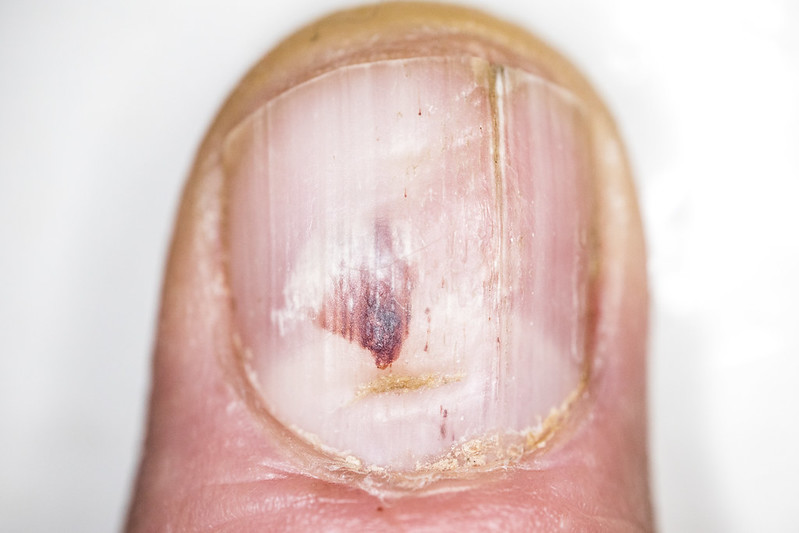
A fungal infection of the nail (also known as onychomycosis) is a common condition that usually first appears as white or yellow spots under the nail or at its tip. When the infection takes hold, the nail may: lose its colour, become thick, start to crumble, change shape, turn black underneath, and give off an unpleasant smell.
The infection can affect several nails at the same time.
If the condition is mild and does not cause discomfort, it may not need treatment. If the infection is persistent and causes the nail to thicken, there are a number of measures everyone can take to help themselves.
With successful treatment, nail fungus can sometimes come back.
Symptoms of nail fungus
You may have nail fungus if you notice any of the following symptoms: a thickened nail; white or yellowish discolouration; a nail that crumbles or breaks; a change in the shape of the nail; a black or dark coloration under the nail; an unpleasant odour.
The condition can also affect the skin around the nails, but it is most commonly seen on the toenails.
Causes
Fungal nail infections are caused by different types of fungi. The most common cause is dermatophytes. Yeasts and moulds can also cause nail infections.
To learn more about the different types of fungal infection, read here: Infections: Types, Causes and Helpful Tips
Nail fungus can develop at any age, but it is more common in older people. This is due to the nature of nail ageing, as nails become more brittle and dry. This creates small cracks on the surface through which fungi can enter.
Reduced circulation to the extremities and a weakened immune system can also make infection more likely.
Frequently, this can also be related to a shortage of important nutrients, such as zinc.
To help you get the zinc you need, plus vitamin C and vitamin D to support the immune system, you may consider ZinSeD: /products/zinsed/
Nail fungal infections can also spread from one person to another through direct contact.
Risk factors
Age: older people are at greater risk of problems with circulation, dehydration and others.
Obesity;
Nail fungal infection;
Walking barefoot in damp public areas such as swimming pools, gyms and saunas;
Damage to the skin or nail, for example from psoriasis. Learn more about psoriasis: /psoriasis-causes-symptoms-treatment-and-herbs/ ;
Diabetes: this disease disrupts many processes in the body, such as circulation and immune response. Learn everything you need to know about diabetes: /diabetes-everything-you-need-to-know/ .
Complications
A severe case of nail fungal infection can become very painful and lead to permanent nail damage.
If left untreated, the infection can spread to surrounding skin, especially when the immune system is weakened, which can happen as a result of taking medication, diabetes or another condition.
Diabetes can damage blood vessels and nerve endings in the feet. These problems increase the risk of any bacterial infection. Therefore, any wound or infection can progress to a more serious one.
Learn everything you need to know about diabetes: /diabetes-everything-you-need-to-know/
Prevention
The following tips may help prevent nail fungal infections or the spread of an infection from the skin to the nails:
Regularly wash your feet and hands. It is advisable to dry your feet thoroughly after washing, especially between the toes. If needed, you can use a file to smooth the affected area and reduce its thickness. It is recommended that you disinfect scissors after each use.
Nails should be kept short so that they do not become a breeding ground for germs. Trim them regularly and, if they are thickened, file them down.
Wear clean socks and change them daily if you sweat a lot.
It is advisable to wear shoes made of breathable materials.
Old shoes should be thrown away or treated carefully with antifungal powders and sprays.
Wearing flip-flops or sandals in swimming pools and communal showers greatly reduces the risk of infection.
Visiting a manicurist or pedicurist should be done in salons that maintain good hygiene and disinfect their tools.
Artificial nails are not recommended.
Diagnosis of nail fungus
A specialist examines the nails, and may take a part of them or the material beneath them, to send to a laboratory that will determine which type of fungus caused the infection.
Some conditions such as psoriasis may cause symptoms similar to those of a fungal nail infection. Learn more about psoriasis: /psoriasis-causes-symptoms-treatment-and-herbs/
Microorganisms such as moulds and bacteria can also infect the nails. Correct identification of the cause helps in choosing the right treatment method.
Treatment of nail fungus
Treating a nail fungal infection can be very difficult. It is advisable to speak with a doctor if home hygiene measures and over-the-counter products have not helped.
There are studies confirming the beneficial effect of African bark Warburgia (Warburgia) in treating nail fungus. Unlike other medicines, it is free from the side effects that affect the liver. However, the intake of this product must be longer – six months to a year, depending on the individual case.
Of particular importance in fungal nail infections is detoxifying the body. In this way it will free itself from harmful toxic substances, which will not only affect the nails themselves, but will also improve the activity of the immune system and help strengthen the body's own defences against fungal infection.
For detoxification you can learn everything at DetoxiFive
Treatment depends on the severity of the infection and the type of fungus. Sometimes several months may pass before results are seen, as recurring infection is common.
Medical nail lacquer
A specialist may prescribe a medical nail lacquer called ciclopirox. This lacquer is applied daily to the affected part of the nail and the surrounding skin. After seven days the top layer is cleaned with alcohol and the application starts again. This type of treatment can take a considerable time (almost a year).
Medical cream for nails
The doctor may prescribe an antifungal cream, which is rubbed into the infected nail after filing. This cream may work much better if the nails are first softened. Softening the nail helps the cream reach the fungus. Softening may be done with a lotion containing urea, or by occlusion with a suitable dressing. Your doctor will advise you.
Surgery
The specialist may suggest removing the nail so that an antifungal medicine can be applied directly to the affected area beneath it.
Some fungal infections of the nails do not respond to medicines. If the pain is particularly great or the infection is extremely severe, the specialist may recommend permanent removal of the nail.
Useful tips and home remedies
Nail fungus can often be treated at home.
Creams and other types of ointment without a prescription can be very effective when the first symptoms of nail fungus appear. It is advisable to dry the feet and nails thoroughly, to soak them in water and then apply the antifungal product.
Nails should be kept in good condition: trim them regularly and, if they are thickened, file them down. Filing helps medicines work better.
If a person suffers from circulation problems to the feet or another condition that makes it difficult to take care of their nails, it is advisable to consult a doctor or specialist, so that they can support the health of the nails and the feet.
When to see a specialist
When home methods have not helped with the nail fungus, but the symptoms are spreading (thickening or severely discoloured nail, deformation, pain), it is advisable to arrange a consultation with a specialist.
Initially you can make an appointment with your personal doctor, who can refer you to a dermatologist (skin specialist) or a specialist in nail disorders (podologist).
Conclusion
Nail fungus is a common condition. The infection can be caused by different types of fungi and can affect any nail, but most often it is the result of a fungal infection from dermatophytes and occurs on the toenails.
Older people, diabetics and those suffering from other types of infection are part of the group most predisposed to this type of fungal infection. This is due to the fact that they have a weaker ability to fight off infection and their healing process is slower.
Symptoms of the condition include thickening or change in the colour of the nail, pain, and the appearance of unpleasant odour.
A specialist can often tell whether the infection is fungal by examination, but in every case a sample of the nail or material beneath it may be taken for analysis, to determine the exact type of fungus and rule out other causes such as psoriasis.
In most cases a person can treat themselves, using medicines without a prescription and strictly hygienic habits to maintain the health of the nails.
In more serious cases, treatment may be prescribed by a doctor, including oral and topical medicines. The important thing with this condition is consistency in treatment. In the most serious cases, surgical intervention may also be necessary.
There are many specialists who can help a person with fungal nail infection, namely: maintaining clean and well-dried nails, walking in slippers in damp public places, frequent changing of socks when sweating, use of suitable shoes and several other measures.
Share the article:
Latest articles

Memory
There are many types of memory, from short-term and sensory memory to associative forms. Here is how we learn, store and recall information.
Amylase
Amylase is an enzyme secreted by the pancreas and the salivary glands. It begins breaking down starch in the mouth, turning complex carbohydrates…
Comments